
How to Avoid Dizziness During Workouts: Essential Tips for Safety
Have you ever felt dizzy in the middle of your workout? That sudden spin, the lightheadedness—it can stop you in your tracks and make exercising feel unsafe.
But what if you could keep that dizzy feeling at bay and power through your routine with confidence? You’ll discover simple, effective tips to prevent dizziness during your workouts. By understanding what causes it and how to manage it, you can stay focused, energized, and get the most out of every session.
Keep reading to learn how to protect yourself and enjoy your workouts without the worry of feeling dizzy.

Credit: www.happiesthealth.com
Causes Of Dizziness In Workouts
Dizziness during workouts is a common problem for many people. It can stop you from exercising safely and make your sessions less effective. Understanding the causes of dizziness helps you avoid it and stay healthy. Several factors can lead to feeling lightheaded or dizzy while working out.
Dehydration Effects
Not drinking enough water causes dehydration. This lowers blood volume and reduces oxygen flow to the brain. Muscles also get less oxygen, making you feel weak and dizzy. Sweating a lot without replacing fluids worsens dehydration. Always drink water before, during, and after exercise to stay hydrated.
Low Blood Sugar Impact
Blood sugar gives your body energy for exercise. Skipping meals or not eating enough causes low blood sugar. This can lead to dizziness, shaking, and fatigue during workouts. Eating a small snack with carbs before exercise helps keep blood sugar stable. Avoid working out on an empty stomach.
Overexertion Risks
Pushing your body too hard can cause dizziness. Exercising beyond your fitness level stresses your heart and muscles. This reduces blood flow to the brain and causes lightheadedness. Take breaks and listen to your body to avoid overexertion. Gradually increase workout intensity for safer progress.
Breathing Patterns
Incorrect breathing during exercise can reduce oxygen intake. Holding your breath or shallow breathing leads to dizziness. Proper breathing helps deliver oxygen to your brain and muscles. Focus on deep, steady breaths while exercising. This keeps your body well-oxygenated and prevents dizziness.

Credit: beyogi.com
Preparing Before Exercise
Preparing before exercise helps reduce dizziness during workouts. Proper preparation sets a strong foundation for safe and effective exercise. It supports your body and mind to perform better. Three key areas to focus on are hydration, nutrition, and warming up. Each plays a vital role in keeping dizziness away.
Hydration Strategies
Drink water before starting your workout. Aim for 16 to 20 ounces about 2 hours before exercising. Sip small amounts if you feel thirsty during exercise. Avoid sugary or caffeinated drinks as they can dehydrate you. Proper hydration keeps blood flowing well and maintains energy levels.
Nutrition Tips
Eat a light meal 1 to 2 hours before exercising. Include carbohydrates and some protein for energy and muscle support. Avoid heavy or fatty foods that can cause stomach discomfort. Small snacks like a banana or yogurt work well if you exercise early. Balanced nutrition prevents low blood sugar, a common cause of dizziness.
Proper Warm-up
Start with gentle movements to prepare your body for exercise. Warm up for 5 to 10 minutes using dynamic stretches or light cardio. This increases blood flow and gradually raises your heart rate. Warming up reduces the risk of dizziness by helping your body adjust to physical activity.
Safe Workout Practices
Safe workout practices help prevent dizziness during exercise. They keep your body steady and your mind clear. Practicing these habits makes workouts more enjoyable and effective. Follow simple steps to protect yourself and get the best results.
Pacing Your Routine
Start slow and increase your speed gradually. Avoid sudden bursts of intense activity. Give your body time to adjust to each new level. Rest between sets to catch your breath and regain strength. Proper pacing keeps your blood flowing evenly and prevents dizziness.
Monitoring Intensity
Pay attention to how hard you are working. Use a heart rate monitor or check how you feel. Stop or slow down if you feel lightheaded or weak. Overdoing it can cause your blood pressure to drop. Keep your workout intensity at a safe and steady level.
Breathing Techniques
Breathe deeply and evenly during every exercise. Avoid holding your breath, which can lower oxygen levels. Inhale through your nose and exhale through your mouth. Proper breathing supports your muscles and brain. It reduces the chance of feeling dizzy or faint.
Recognizing Warning Signs
Recognizing warning signs during workouts helps prevent dizziness and injuries. Your body sends signals when something is wrong. Knowing these signs lets you act quickly. Acting fast keeps you safe and healthy.
Early Symptoms
Dizziness often starts with lightheadedness or blurred vision. You might feel weak or shaky. Some people notice sweating or nausea first. A fast heartbeat or ringing in ears can appear. These signs mean your body needs rest or water. Do not ignore these small signals.
When To Stop
Stop exercising immediately if dizziness gets worse. Also stop if you feel faint or confused. Chest pain or severe headache needs urgent attention. Taking a break prevents falls or accidents. Rest and hydrate before trying again.
Post-workout Care
Post-workout care plays a big role in preventing dizziness after exercise. It helps your body recover and keeps you safe. Taking time to care for your body after workouts can reduce lightheadedness and tiredness. Two key steps are cooling down and rehydrating.
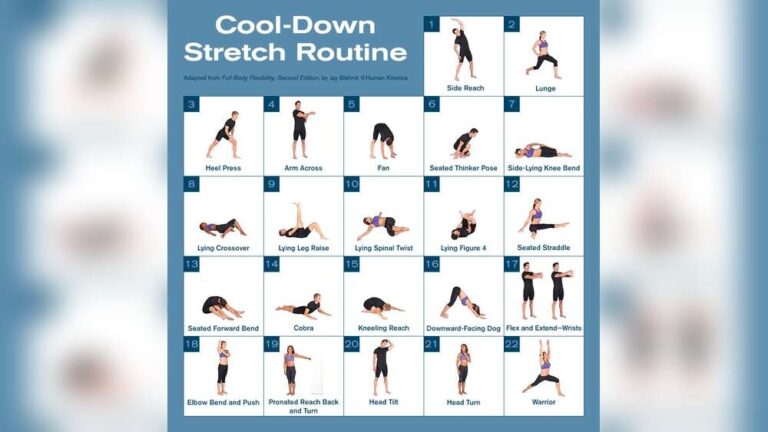
Cool-down Importance
Cooling down slows your heart rate gradually. This prevents blood from pooling in your legs. It helps your blood flow return to normal. Stretching during cool-down reduces muscle tightness. A proper cool-down stops sudden dizziness after intense exercise.
Rehydration Methods
Drinking water after workouts replaces lost fluids. Dehydration often causes dizziness during or after exercise. Sip water slowly to avoid stomach upset. Sports drinks with electrolytes can help if you sweat a lot. Avoid sugary or caffeinated drinks right after workouts.
Special Considerations
Special considerations help make workouts safer for everyone. Some people have unique health needs or conditions. These factors can increase dizziness risk during exercise. Understanding these can prevent problems and keep workouts comfortable.
Medical Conditions
Some health issues cause dizziness during workouts. Conditions like low blood pressure, diabetes, or heart problems affect blood flow. Inner ear problems can also cause balance issues. Talk to a doctor before starting new exercises. Follow medical advice to avoid risks. Watch for warning signs like chest pain or severe dizziness. Stop exercising if these happen and seek help.
Exercise Modifications
Changing exercises helps reduce dizziness risk. Start with low-intensity workouts and increase slowly. Avoid sudden head movements that can trigger dizziness. Use seated or supported positions if standing causes problems. Take breaks often to rest and hydrate. Focus on slow, controlled breathing to stay calm. Modify workouts based on how your body feels. Consistency and caution build safer exercise habits.

Credit: www.youtube.com
Frequently Asked Questions
What Causes Dizziness During Workouts?
Dizziness during workouts often results from dehydration, low blood sugar, or sudden changes in blood pressure. Overexertion and inadequate warm-up can also contribute. Staying hydrated and pacing yourself helps prevent dizziness.
How Can Hydration Prevent Dizziness While Exercising?
Proper hydration maintains blood volume and regulates body temperature. Drinking water before, during, and after workouts prevents dehydration-related dizziness. Aim to drink small amounts regularly rather than large quantities at once.
Does Breathing Technique Affect Dizziness During Exercise?
Yes, improper breathing can reduce oxygen supply, causing dizziness. Focus on steady, deep breaths to ensure adequate oxygen flow. Avoid holding your breath during intense movements to minimize dizziness risk.
Can Nutrition Impact Dizziness In Workouts?
Yes, low blood sugar or poor nutrition can cause dizziness. Eating a balanced meal or snack before exercising provides energy and stabilizes blood sugar. Include carbs and proteins for sustained energy.
Conclusion
Dizziness during workouts can be avoided with simple steps. Drink water often to stay hydrated. Eat small meals before exercise for steady energy. Warm up slowly to prepare your body. Take breaks if you feel lightheaded. Pay attention to your breathing and pace.
Rest well to help your body recover. These easy habits keep workouts safe and enjoyable. Stay mindful, and your exercise will improve without dizziness. Keep moving and feeling your best every time.

Brandon Knoxley is a sport & fitness writer and training guide contributor at MySportFitHub. He focuses on practical workouts, performance-based training, and honest fitness gear insights designed for real people and real results. Brandon is passionate about helping beginners and active individuals train smarter, avoid common mistakes, and build sustainable fitness habits.