Do Dumbbells Have Weight On Each Side: The Truth Explained
Yes, most dumbbells have weight on both sides, and the listed weight usually means the total weight of one dumbbell.
Understanding do dumbbells have weight on each side helps you choose the right load, set up adjustable handles, and avoid lifting more than you expect. The key detail is that a dumbbell’s label usually shows the total weight of the complete dumbbell, including both ends and the handle. This guide explains how fixed, adjustable, plate-loaded, and selectorized dumbbells work, with simple examples you can use at home or in the gym.
Do dumbbells have weight on each side?
Yes, a normal dumbbell has weight on both sides of the handle. The two ends help keep the dumbbell balanced while you lift, press, row, or curl.
When a dumbbell says 20 pounds, it usually means the complete dumbbell weighs 20 pounds. It does not usually mean 20 pounds on the left side and 20 pounds on the right side.
For example:
• A 20-pound fixed dumbbell may have two weighted heads and a handle that add up to 20 pounds.
• A pair of 20-pound dumbbells weighs 40 pounds altogether.
• An adjustable 20-pound dumbbell may use plates on both sides to create a 20-pound total.
The exact design can vary by brand. However, the basic rule stays the same: the weight rating normally describes one complete dumbbell, not each end.
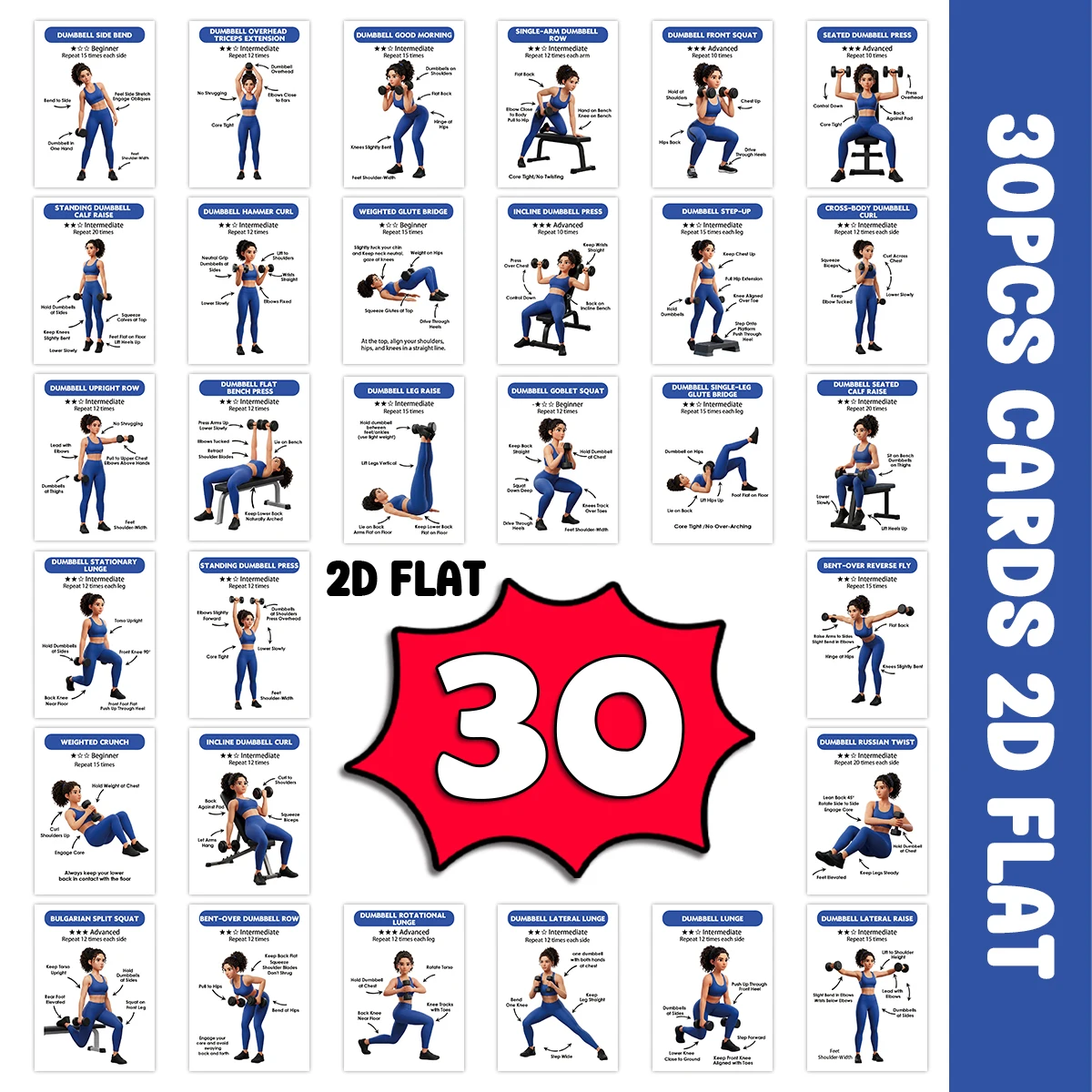
How dumbbell weight is divided
Dumbbell weight is spread across the two ends to create balance. The handle may add a small amount of weight, but the main load sits in the heads or plates.
Imagine a simple 20-pound dumbbell. The two ends might hold about 9 pounds each, while the handle and connecting parts make up the remaining 2 pounds. The exact split is not always equal because designs differ.
This balance matters for safety and control. If one side were much heavier than the other, the dumbbell could twist in your hand. That would make exercises less stable and could place extra stress on your wrist.
Most quality dumbbells are built so the center of mass stays close to the middle of the handle. This design lets you keep your wrist more neutral during movements such as:
• Dumbbell bench presses
• Shoulder presses
• Goblet squats
• Biceps curls
• One-arm rows
• Lateral raises
So, when asking do dumbbells have weight on each side, the answer is yes. The weight is placed on both ends to create a balanced tool.

Fixed dumbbells: the simplest design
Fixed dumbbells have a permanent weight. You cannot add or remove plates from them.
A fixed dumbbell may have:
• Cast iron heads
• Rubber-coated heads
• Neoprene-coated heads
• Hexagonal heads
• Round steel heads
A fixed 10-pound dumbbell weighs about 10 pounds as a complete unit. It has weight on both sides, but the number on the dumbbell does not usually describe the weight of each side.
Fixed dumbbells are common in commercial gyms because they are quick to use. You can move from a 15-pound curl to a 30-pound row without changing plates.
They also tend to feel stable. The head and handle are made as one piece, so there is little movement or noise during a lift. This can be helpful for beginners who are still learning proper form.
One limitation is storage. A full set of fixed dumbbells can take up a lot of room. It can also cost more than one adjustable pair.

Adjustable dumbbells: weight on both sides
Adjustable dumbbells use plates, blocks, or internal mechanisms to change the load. In many models, the weight must be added evenly to both sides.
For example, suppose you want to build a 30-pound adjustable dumbbell. You may place:
• 10 pounds on one side
• 10 pounds on the other side
• 10 pounds from the handle, collars, or central frame
The actual setup depends on the model. Some handles weigh 5 pounds before plates are added. Others use a selector system that includes the base and selected plates in the listed weight.
With traditional plate-loaded dumbbells, always load both sides evenly. If you place more weight on one side, the dumbbell may tilt or shift during the exercise. Loose collars can also let plates move, which creates noise and reduces control.
A safe loading process is simple:
-
Check the handle’s empty weight.
-
Read the manufacturer’s weight chart.
-
Add the same plate amount to both sides.
-
Tighten both collars or locking parts.
-
Shake the dumbbell gently before lifting.
-
Stop using it if a plate or selector does not lock securely.
This is one of the most important answers to do dumbbells have weight on each side. Adjustable dumbbells should normally be symmetrical, even when the total weight changes.
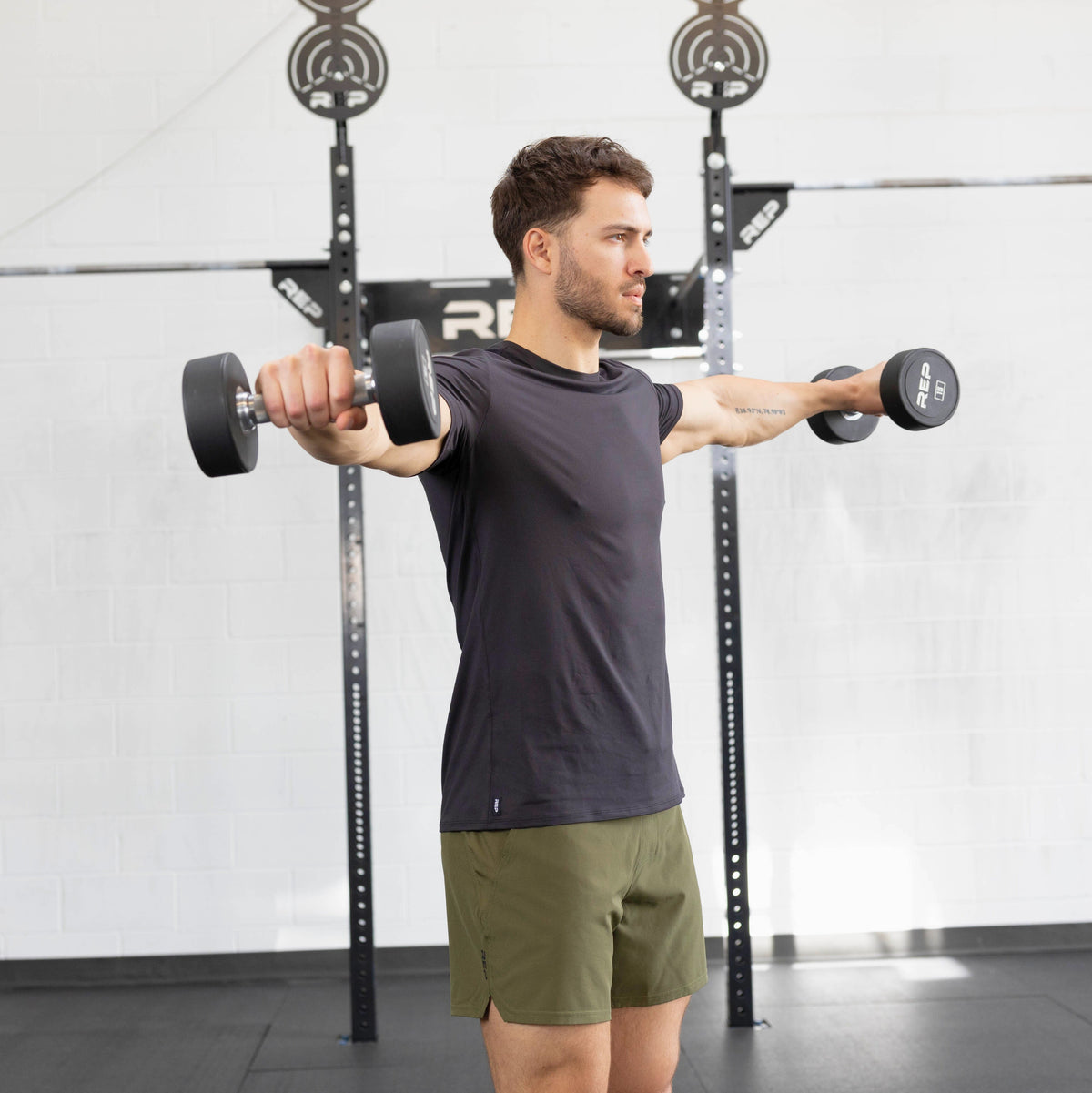
Does the number on a dumbbell mean each side?
Usually, no. The number normally means the total weight of one complete dumbbell.
If you pick up a dumbbell marked 25 pounds, you should expect to lift about 25 pounds with that hand. You should not assume that each side weighs 25 pounds.
This labeling method is similar to how most gym equipment is marked. A 45-pound barbell refers to the whole bar. A 25-pound dumbbell refers to the whole dumbbell.
Still, there can be small differences between the stated weight and the real weight. Manufacturing tolerances, coatings, handles, and selector parts can affect the measurement. Budget dumbbells may be a little heavier or lighter than their labels suggest.
If accuracy matters, such as during strength testing or physical therapy, weigh the dumbbell on a reliable scale. Measure the complete dumbbell, including the handle, plates, collars, and any locking parts.

Why balanced weight matters
Balanced dumbbells make exercise safer and more efficient. They allow force to travel through your hand, wrist, elbow, and shoulder in a smoother line.
Unbalanced weight can cause several problems:
• Your wrist may bend to one side.
• Your grip may become tired sooner.
• The dumbbell may rotate during the lift.
• Your shoulder may work harder to control the load.
• Your exercise form may break down.
This does not mean every dumbbell must feel perfectly still. Some specialty dumbbells are designed to shift or move. However, standard training dumbbells should feel stable when you hold them correctly.
The handle also affects balance. A thick handle can make your grip work harder. A long handle can feel awkward even when the total weight is moderate. A compact dumbbell may feel easier to control because the weight stays closer to your hand.

Dumbbell weight compared with barbell weight
People often confuse dumbbell weight with barbell weight. The numbers work differently in practice.
If you press two 30-pound dumbbells, the total external load is about 60 pounds. Each arm handles one 30-pound dumbbell.
If you bench press with a 45-pound barbell and add two 25-pound plates, the total load is about 95 pounds. Both arms share control of the same bar.
Dumbbells often feel harder than a barbell with a similar total weight because each arm must stabilize its own load. The weights can also move independently, which requires more control from the shoulders and upper body.
For this reason, you may use 25-pound dumbbells for an exercise even if you can lift a 60-pound barbell. That difference is normal. It does not mean you are weak.

How much weight are you really lifting?
Your total training load depends on how many dumbbells you use.
Here are common examples:
• One 15-pound dumbbell for a one-arm row equals 15 pounds in that hand.
• Two 15-pound dumbbells for a shoulder press equal 30 pounds of external weight.
• Two 40-pound dumbbells for a walking lunge equal 80 pounds held in total.
• A 50-pound dumbbell used for a goblet squat equals about 50 pounds held in front of your body.
Your muscles may experience the exercise as harder or easier than the number suggests. Range of motion, speed, grip position, body angle, and fatigue all affect difficulty.
A 20-pound lateral raise can be very challenging because your arms act as long levers. A 20-pound farmer’s carry may feel easier for a strong lifter because the movement uses more total muscle.
The number matters, but it is not the only measure of training stress.

Common mistakes with dumbbell weight
Many beginners make the same errors when learning do dumbbells have weight on each side.
Mistaking one dumbbell for a pair
A store may list “20-pound dumbbells” to describe a pair, but another store may show the price for one dumbbell. Read the product details before buying.
Look for terms such as:
• Single dumbbell
• Pair of dumbbells
• Set of two
• Total set weight
This small detail can prevent an expensive surprise.
Adding the sides twice
If an adjustable dumbbell has 10 pounds on each side, that does not always mean the dumbbell weighs 20 pounds. You must include the handle and check how the manufacturer defines the total.
Loading only one side
Never use a plate-loaded dumbbell with more weight on one end unless the equipment is specifically designed for that purpose. Uneven loading can make the dumbbell unstable.
Ignoring the handle
The handle is part of the dumbbell’s weight. A 5-pound handle with 10 pounds of plates may create a 25-pound dumbbell if the plates total 20 pounds.
Trusting labels without checking the design
Some adjustable systems count only the selected weight. Others count the whole unit. Read the included chart instead of guessing.
Practical tips for choosing dumbbell weight
Choose a weight that lets you complete your target repetitions with good form. Your last few repetitions should feel challenging, but you should not need to twist, swing, or hold your breath excessively.
Use these simple guidelines:
-
Start lighter than your ego suggests.
-
Practice the movement with control.
-
Keep both sides of an adjustable dumbbell even.
-
Increase the weight only when your form stays strong.
-
Raise the load in small steps.
-
Stop if you feel sharp pain, numbness, or joint instability.
For many exercises, a weight increase of 5 percent to 10 percent is reasonable. Smaller jumps may work better for movements such as lateral raises, reverse flyes, and triceps extensions.
A useful test is the repetition reserve method. Finish a set while feeling that you could perform two or three more clean repetitions. This approach helps you build strength without turning every set into a struggle.
My practical experience with dumbbell balance
One mistake I often see in home workouts is treating adjustable dumbbells like small barbells. People add plates quickly, tighten the collars loosely, and start pressing. The first few reps may feel fine, but the plates can shift as the set continues.
The better approach is to build the dumbbell slowly. I check the empty handle, match the plates on both sides, tighten the collars, and test the unit before lifting it overhead.
I have also seen people buy a pair when they only needed one dumbbell for rows, carries, or split squats. Before purchasing, decide whether your program uses one arm at a time or both arms together. That choice can save money and space.
The biggest lesson is simple: the printed number is only the start. The dumbbell’s balance, handle size, locking system, and fit in your hand also affect how safe and useful it feels.
Are heavier dumbbells always better?
Heavier dumbbells are not automatically better. The best weight depends on your goal, exercise, skill level, and ability to control the movement.
For example, heavier dumbbells can work well for:
• Farmer’s carries
• Deadlifts
• Goblet squats
• Heavy rows
Lighter dumbbells may be better for:
• Lateral raises
• Shoulder rehabilitation exercises
• Rear-delt flyes
• High-repetition circuits
• Beginner technique practice
Progressive overload means gradually asking your muscles to do more work. You can do that by adding weight, repetitions, sets, time under tension, or better control.
A heavier dumbbell that ruins your form is not useful progress. A lighter dumbbell that you control through a full range of motion may provide a better workout.
Frequently Asked Questions
Do dumbbells have weight on each side?
Yes, standard dumbbells have weight on both sides of the handle. The two ends are designed to balance the dumbbell and make it easier to control.
Does a 20-pound dumbbell weigh 20 pounds on each side?
No, a 20-pound dumbbell usually weighs 20 pounds in total. The weight is divided between both ends, along with the handle and other parts.
Do two 20-pound dumbbells weigh 40 pounds?
Yes, two 20-pound dumbbells weigh about 40 pounds together. Each dumbbell still weighs about 20 pounds on its own.
Should adjustable dumbbell plates match on both sides?
Yes, traditional adjustable dumbbells should have equal weight on both sides. Matching the plates keeps the load balanced and reduces unwanted twisting.
Does the handle count toward dumbbell weight?
Yes, the handle is part of the complete dumbbell. However, adjustable dumbbell brands may explain their weight ratings in different ways, so check the product’s chart.
Are dumbbells more difficult than barbells?
They can be more difficult because each arm must control a separate weight. Dumbbells often require more balance and coordination, even when their combined weight is similar to a barbell.
How can I check a dumbbell’s true weight?
Place the complete dumbbell on a reliable scale. Include the handle, plates, collars, selector parts, and any other attached components.
Conclusion
So, do dumbbells have weight on each side? Yes. Standard dumbbells place weight on both ends for balance, while the number printed on the dumbbell usually refers to the total weight of one complete unit.
Remember to distinguish between one dumbbell and a pair, load adjustable handles evenly, and check how the manufacturer calculates weight. Choose a load that supports steady form and controlled progress rather than chasing the biggest number.
Use this knowledge the next time you train, shop for equipment, or set up a home gym. If you found this guide helpful, explore more strength-training resources or share your experience with dumbbells in the comments.

Brandon Knoxley is a sport & fitness writer and training guide contributor at MySportFitHub. He focuses on practical workouts, performance-based training, and honest fitness gear insights designed for real people and real results. Brandon is passionate about helping beginners and active individuals train smarter, avoid common mistakes, and build sustainable fitness habits.