How Fast Do Treadmills Go: Speeds, Limits & Tips
Most home treadmills run from about 0.5 to 12 mph; commercial units can exceed 15 mph.
I’ve tested, repaired, and coached on treadmills for years, so I know the common speeds, limits, and real-world performance. This article answers how fast do treadmills go, explains why speeds vary, shows what speeds match workouts, and gives hands-on tips to pick and use a treadmill safely and effectively. Read on for clear, practical guidance you can use today.

How fast do treadmills go: typical speed ranges
Treadmill speed depends on model and use. Home treadmills usually start at 0.5 mph and top out between 9 and 12 mph. Mid-range and running-focused models offer 12 to 15 mph. Commercial gym treadmills often go up to 15 to 20 mph for sprint work. Specialty and rehabilitation machines may cap below 6 mph for safety.
Common speed bands you’ll see:
- 0.5 to 3 mph — walking and rehab.
- 3 to 6 mph — brisk walk to light jog.
- 6 to 8 mph — steady running for many recreational runners.
- 8 to 12 mph — faster running and tempo work.
- 12 to 20+ mph — sprints and advanced training on commercial models.
Understanding these ranges helps you match a treadmill to your goals. If you plan sprints or track intervals, pick a model rated for higher speeds and stronger motors.

Factors that affect how fast do treadmills go
Several parts and specs determine real speed and feel. The motor power, belt quality, frame stability, and electronics all matter. A treadmill may list a top speed, but sustained high-speed running needs a strong motor and good cooling. User weight and incline also change how fast the machine performs under load.
Key factors to check:
- Motor horsepower — higher continuous HP supports sustained high speeds.
- Belt length and width — longer belts suit taller users and faster running.
- Drive and roller size — larger rollers reduce strain at high rpm.
- Weight capacity — heavier users place more load on the motor.
- Incline and decline features — incline increases effort and can reduce maximum comfortable speed.
From my experience, a 3.0 continuous HP motor handles sprint intervals better than a 2.0 HP motor. Always test a treadmill at your intended speeds if you can.

How fast do treadmills go for different workouts
Match treadmill speed to the workout type. Walking is slow and steady. Jogging sits in a mid-range. Interval and sprint sessions require short bursts at much higher speeds. Training goals and fitness level define what speed you need.
Typical workout-speed pairings:
- Recovery walk — 1.5 to 3 mph.
- Brisk walk — 3 to 4 mph.
- Jog — 4 to 6 mph.
- Tempo run — 6 to 8 mph.
- Intervals/sprints — 8 to 15+ mph for short bursts.
If you do intervals, consider a treadmill with fast response time and accurate speed changes. My coaching clients who sprint need at least 12 mph capability for real progress.
Safety limits and speed: how fast do treadmills go safely
Speed is fun, but safety comes first. Higher speeds increase fall risk and joint impact. Use features like safety keys, side rails, emergency stop, and proper footwear. Beginners should build confidence at lower speeds before pushing faster paces.
Safety tips:
- Start slow and raise speed in small increments.
- Use the safety clip and keep the key engaged.
- Hold the rails when adjusting speed or stepping on/off.
- Allow the treadmill to warm up before hard efforts.
- Know your limits and stop if form breaks down.
I once pushed a client too fast during a demo. We dialed back, focused on form, and progressed safely. That taught me never to assume anyone’s comfort at high speeds.
Choosing the right treadmill when you care about how fast do treadmills go
When speed matters, check these specs and features before buying. Don’t rely only on max speed numbers. Look for sustained performance ratings and user reviews on real use.
Shopping checklist:
- Continuous horsepower (CHP) rather than peak horsepower.
- Belt length: 55–60 inches for runners; 42–50 inches may suffice for walkers.
- Top rated speed and whether it’s sustained or brief.
- Cooling and motor warranty for heavy use.
- User weight limit and build quality.
Try the treadmill at the actual speeds you plan to use. If you can’t test, read verified user feedback about performance under load.

Maintenance, motor power, and how fast do treadmills go
Maintenance keeps a treadmill delivering the speeds it promises. A clean belt and proper tension reduce friction and wear. Lubrication, belt alignment, and periodic motor checks matter for speed and longevity.
Routine care steps:
- Lubricate the belt per the manual schedule.
- Keep the deck and belt free of dust and debris.
- Check belt tension and alignment monthly.
- Service the motor and electronics when you hear unusual sounds.
- Replace belts and rollers as they wear to maintain performance.
A poorly maintained treadmill that once reached 12 mph may struggle to hold 8 mph. Regular care equals reliable speed.
Personal experience and practical tips
I’ve used many models in gyms and homes. For sprint training, I favored commercial-grade machines with 3.5 CHP or more. For home cardio, a 2.5 CHP treadmill gave steady speeds up to 10 mph for most users. When I bought a used treadmill for at-home workouts, I checked the motor hours, belt wear, and whether the console calibration was accurate.
Lessons I learned:
- Always test at your target speed before buying.
- Ask how the treadmill was used if buying used.
- Protect the motor by avoiding frequent max-speed runs without cooling breaks.
- Use incline to vary intensity instead of only increasing speed.
These hands-on tips will help you pick and keep a treadmill that meets your needs.

Related concepts: speed calibration, incline, and pacing
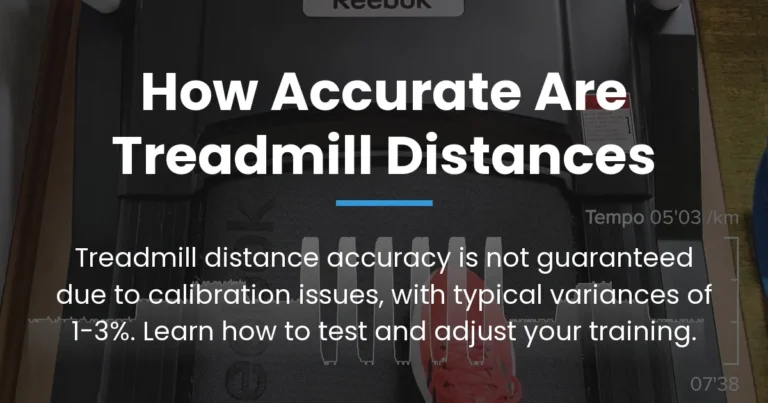
Speed on the console can differ from actual speed. Calibration issues can mislead you about pace and distance. Use a GPS watch or track intervals by time rather than relying only on the treadmill readout.
Things to know:
- Treadmill pace may read higher or lower than GPS pace by a small margin.
- Incline changes perceived effort and effective speed.
- Treadmill running often feels easier than road running at the same speed.
If precise pacing matters for races, mix treadmill runs with outdoor workouts to adapt to different feels.
Frequently Asked Questions of how fast do treadmills go
How fast do treadmills go for walking?
Most treadmills start at 0.5 mph and walk-friendly models go up to about 3 to 4 mph easily. This range covers casual and brisk walking.
Can most home treadmills handle sprinting?
Many home treadmills list top speeds of 10–12 mph, but sustained sprinting needs a stronger motor and build. Look for higher continuous horsepower and a sturdy frame.
Does incline affect how fast treadmills go?
Incline doesn’t change the treadmill’s top speed, but it changes your effort and perceived speed. Running uphill feels harder and may reduce the speed you can sustain.
How do I know if a treadmill’s top speed is accurate?
Test it with a GPS watch or time a measured distance. Check user reviews and the motor’s continuous horsepower rating for realistic expectations.
Are commercial treadmills faster than home models?
Commercial treadmills often have stronger motors and better cooling, so they can sustain higher speeds like 15–20 mph. They are built for frequent, heavy use.
Conclusion
You now know how fast do treadmills go in real terms, what affects those speeds, and how to choose and maintain a treadmill for your goals. Match the treadmill specs—motor power, belt size, and build—to the speeds you need, and keep the machine well maintained to preserve performance. Try target paces before you buy, progress gradually, and prioritize safety during fast work. If you found this useful, try testing a few models at your local gym or leave a comment with your treadmill goals and questions.

Brandon Knoxley is a sport & fitness writer and training guide contributor at MySportFitHub. He focuses on practical workouts, performance-based training, and honest fitness gear insights designed for real people and real results. Brandon is passionate about helping beginners and active individuals train smarter, avoid common mistakes, and build sustainable fitness habits.