
How Many Amps Does A Treadmill Use: Power Guide
Most home treadmills use about 5 to 12 amps while running on a standard 120-volt outlet.
Knowing how many amps does a treadmill use helps you choose the right outlet, avoid tripped breakers, and run your machine safely. The real number depends on motor size, speed, incline, user weight, voltage, and startup demand. This guide explains the numbers, shows how to calculate treadmill amperage, and shares practical ways to check your own machine.

How Many Amps Does a Treadmill Use?
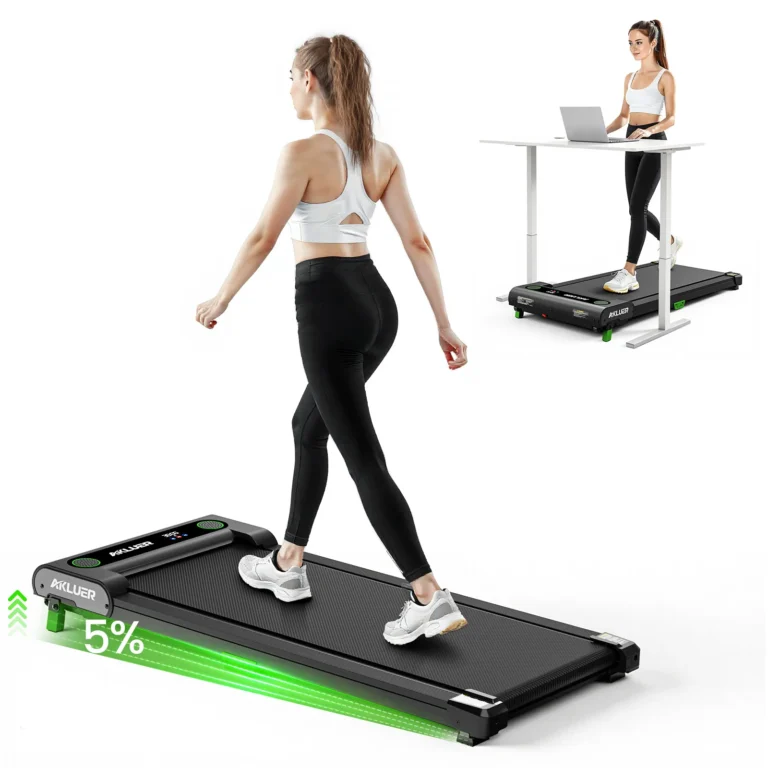
Most residential treadmills use between 5 and 12 amps during normal use. A compact walking treadmill may use only 3 to 6 amps, while a large folding treadmill can draw 10 to 15 amps during hard workouts.
Commercial treadmills may need a dedicated 15 or 20 amp circuit. Some high-power models use a 240-volt connection, which changes the amperage calculation.
The simplest answer to how many amps does a treadmill use is this:
• Small walking treadmill: 2 to 5 amps
• Standard home treadmill: 5 to 12 amps
• Powerful home treadmill: 10 to 15 amps
• Commercial treadmill: 12 to 20 amps or more during peak demand
These figures are estimates. The rating plate on your treadmill is the best source for its required current.
A treadmill does not draw the same current every second. Walking on a flat belt uses less power than running uphill. The motor also needs a short burst of extra power when the belt starts or when the user increases speed.

Treadmill Amps at 120 Volts
Most treadmills in the United States run on a standard 120-volt household circuit. At this voltage, a treadmill rated at 1,200 watts uses about 10 amps.
You can estimate the current with this formula:
Amps = Watts ÷ Volts
For example:
1,200 watts ÷ 120 volts = 10 amps
Here are common examples:
| Treadmill power | Approximate current at 120 volts |
|---|---|
| 600 watts | 5 amps |
| 900 watts | 7.5 amps |
| 1,200 watts | 10 amps |
| 1,500 watts | 12.5 amps |
| 1,800 watts | 15 amps |
| 2,400 watts | 20 amps |
This calculation gives an estimated running load. It may not show the brief surge that occurs when the treadmill starts.
When asking how many amps does a treadmill use, always check whether the listed wattage is continuous power or maximum power. A treadmill may run below its maximum rating most of the time but still need a circuit that can handle its peak load.

What Changes a Treadmill’s Amp Usage?
Several factors affect how many amps does a treadmill use during a workout. The motor works harder when it must move more weight, overcome belt friction, or maintain a high speed.
Motor size
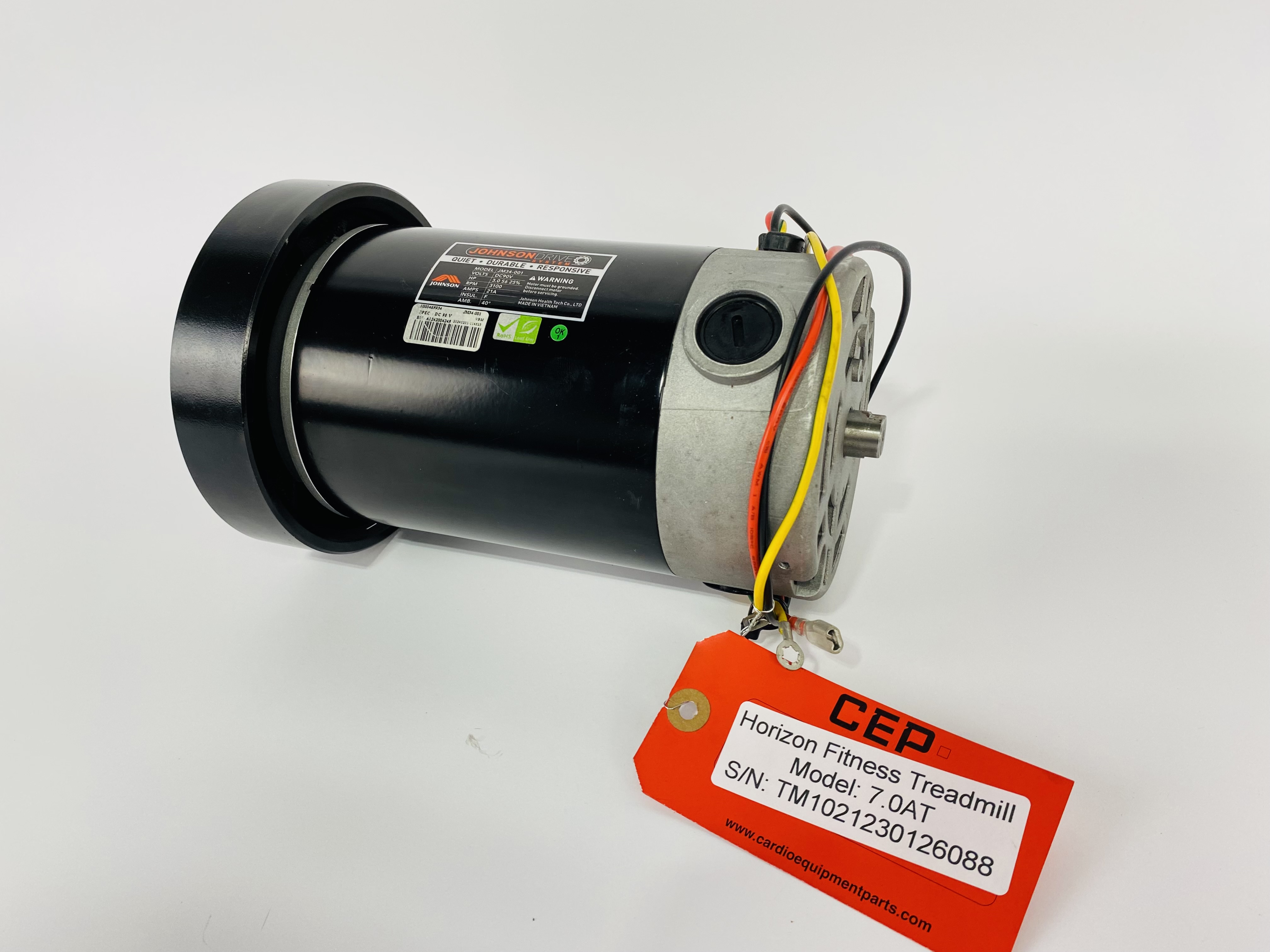
A stronger motor can draw more current. However, motor horsepower alone does not tell you the exact amperage. Some brands advertise peak horsepower, while others list continuous-duty horsepower.
Continuous-duty horsepower is more useful because it reflects the motor’s ability to work over a longer period. Still, the electrical rating on the treadmill remains the most reliable guide.
Speed
A slow walk places a lighter load on the motor. Running at 8 or 10 miles per hour creates more demand because the belt must move faster and respond to repeated foot strikes.
Incline
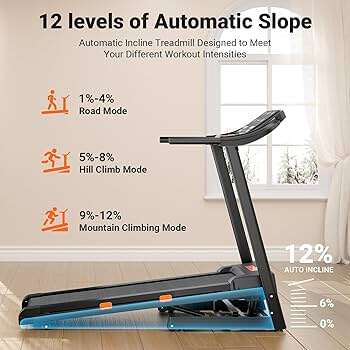
Incline adds resistance. The motor must lift the user’s body slightly with each belt movement, much like a car using more fuel on a hill.
User weight
A heavier user creates more load on the belt and motor. This does not mean the treadmill is unsafe for a heavier person, but it may draw more current during use.
Belt condition
A dry or poorly aligned belt creates drag. The motor then works harder, and how many amps does a treadmill use may rise over time.
Lubrication and maintenance
Proper belt lubrication reduces friction. A treadmill with a clean, well-adjusted belt usually runs more efficiently than one with a tight or damaged belt.

Does a Treadmill Use More Amps When Starting?
Yes. A treadmill often uses more current for a short time when the motor starts. This brief increase is called startup current or inrush current.
The motor must overcome the belt’s resting position and bring the deck up to speed. It may also draw extra power when you step onto the belt, increase speed, or raise the incline.
This is one reason a treadmill can trip a breaker even when its normal running current seems low. A machine that normally uses 10 amps may briefly demand more during startup.
A short surge is normal. Repeated breaker trips are not. They may point to an overloaded circuit, a weak breaker, a damaged cord, excessive belt friction, or a motor problem.
Do not solve repeated trips by installing a larger breaker without checking the wiring. The breaker protects the circuit wiring, so changing its size without professional advice can create a fire risk.
Can You Run a Treadmill on a 15-Amp Circuit?
Many home treadmills can run on a 15-amp circuit, but the circuit should meet the treadmill manufacturer’s instructions. Some models require a dedicated circuit because the treadmill may draw close to the circuit limit during startup or heavy exercise.
A 15-amp circuit does not provide 15 amps of unlimited continuous capacity. For loads that run for a long time, electrical design commonly allows a safety margin. A treadmill used for extended workouts should not share a heavily loaded circuit with heaters, hair dryers, refrigerators, or other large appliances.
A dedicated circuit is often the safest choice. It gives the treadmill a stable supply and reduces nuisance trips.
Before plugging in the machine, check:
• The treadmill’s electrical rating
• The circuit breaker size
• The outlet voltage
• Other devices connected to the same circuit
• The manufacturer’s instructions
• Local electrical code requirements
If you are unsure how many amps does a treadmill use in your home, an electrician can measure the circuit and inspect the wiring.
)
Does a Treadmill Need a Dedicated Circuit?
Some treadmills need a dedicated circuit, while others can operate on a normal household circuit. The answer depends on the model, its current rating, and the manufacturer’s instructions.
A dedicated circuit means that one circuit supplies only the treadmill. The outlet may still look like a normal wall outlet, but no other outlets or appliances share that circuit.
A dedicated circuit can help prevent:
• Breaker trips
• Voltage drops
• Motor controller problems
• Flickering lights
• Poor treadmill performance
Commercial treadmills and heavy-duty home treadmills are more likely to require a dedicated 20-amp circuit. Never assume that a standard outlet is enough just because the plug fits.
The treadmill’s manual should always come first. If it calls for a dedicated circuit, follow that requirement rather than relying on a general amperage estimate.
How to Find the Exact Amps Your Treadmill Uses
The best way to learn how many amps does a treadmill use is to inspect the machine and measure it under real conditions.
Follow these steps:
- Look for the electrical rating plate near the power cord, motor cover, or frame.
- Find the listed voltage, watts, or amps.
- Check the owner’s manual for circuit requirements.
- Use the formula amps = watts ÷ volts if only watts are listed.
- Measure actual use with a plug-in power meter rated for the treadmill’s load.
- Compare the reading at rest, during walking, during running, and during incline use.
A power meter can show real-time watts and sometimes amps. Use a properly rated device, and do not open the treadmill or place a meter inside the machine unless you are a qualified technician.
The label may list maximum current rather than average current. That number is often the safer figure to use when planning the circuit.
Treadmill Amps Compared With Other Exercise Machines
Comparing exercise equipment can make the numbers easier to understand. How many amps does a treadmill use compared with other machines? In many homes, treadmills use more power because they move a heavy belt continuously.
Typical estimates at 120 volts include:
• Compact treadmill: 2 to 6 amps
• Standard treadmill: 5 to 12 amps
• Commercial treadmill: 12 to 20 amps
• Elliptical trainer: 1 to 3 amps
• Exercise bike: Less than 1 to 2 amps
• Rowing machine: Less than 1 amp for most models
These figures vary by design. An exercise bike may use very little power because the user provides most of the movement. A treadmill must power the belt, rollers, incline system, display, cooling fan, and other electronics.
The treadmill motor is usually the main electrical load. The screen and speakers use much less energy by comparison.
How Much Electricity Does a Treadmill Use?
Amps tell you about current. Electricity costs depend on watts and time.
Use this formula:
Kilowatt-hours = Watts × Hours Used ÷ 1,000
For example, a treadmill drawing 1,200 watts for one hour uses about 1.2 kilowatt-hours. If electricity costs 18 cents per kilowatt-hour, that workout costs about 22 cents.
Actual use may be lower because the treadmill does not always operate at its maximum rating. A slow walk may use much less power than a fast run at a steep incline.
Your energy use depends on:
• Workout duration
• Speed
• Incline
• User weight
• Motor efficiency
• Belt condition
• Display and accessory features
This is why the answer to how many amps does a treadmill use does not directly equal the cost of every workout. Amperage is an electrical current measurement, not a direct price measurement.
Common Electrical Mistakes to Avoid
Many treadmill problems come from the outlet or circuit rather than the treadmill itself. A few simple habits can prevent damage and frustration.
Avoid these mistakes:
• Using a long, light-duty extension cord
• Plugging the treadmill into a power strip
• Sharing the circuit with a space heater
• Using an adapter that changes the plug type
• Ignoring repeated breaker trips
• Running the treadmill with a damaged cord
• Placing the machine on an outlet with loose connections
• Installing a larger breaker without checking the wire size
A heavy-duty extension cord may appear to solve the problem, but manufacturers often advise plugging the treadmill directly into a wall outlet. Long cords can cause voltage drop, especially when the treadmill draws a high current.
Some homes have ground-fault circuit interrupter outlets. Certain treadmills may trip them because of motor electronics or leakage current. Do not bypass a safety device. Ask a qualified electrician to assess the outlet and follow the treadmill manual.
How to Reduce Treadmill Power Demand
You cannot remove the motor’s basic power needs, but you can reduce unnecessary electrical load.
Try these practical steps:
- Lubricate the belt according to the manual.
- Keep the belt centered and properly tensioned.
- Clean dust from the motor area and ventilation openings.
- Avoid placing the treadmill on an uneven surface.
- Use the correct user-weight limit.
- Turn off the treadmill when it is not in use.
- Keep the machine away from damp areas.
- Have unusual noises or burning smells checked quickly.
A belt that is too tight can create drag. A belt that is too loose can slip. Both conditions can make the motor work harder and may change how many amps does a treadmill use.
Routine care also improves comfort. A smooth belt feels better underfoot and places less stress on the motor.
How to Read Treadmill Electrical Ratings
Treadmill labels can be confusing because they may show several different values.
Here is what common terms mean:
• Volts: The electrical pressure supplied to the treadmill
• Amps: The amount of electrical current flowing through the machine
• Watts: The total rate of electrical power use
• Hertz: The frequency of the electrical supply
• Horsepower: A measure of motor output, not a direct current rating
• Peak horsepower: A short-term maximum claim
• Continuous horsepower: A longer-term motor output rating
A label that says 120 volts and 12 amps suggests a maximum electrical load near 1,440 watts. The actual formula is watts = volts × amps.
The label may also state that the treadmill must use a grounded outlet. Grounding helps reduce shock risk and supports the safe operation of protective devices.
If the label, manual, and outlet information seem to conflict, stop and ask an electrician or the manufacturer. Electrical guesswork is not worth the risk.
Frequently Asked Questions About How Many Amps Does a Treadmill Use
How many amps does a treadmill use on a standard outlet?
Most home treadmills use about 5 to 12 amps on a 120-volt outlet during normal use. Check the treadmill label because larger models may need 15 or 20 amps.
Can a treadmill share a 15-amp circuit?
Some treadmills can share a 15-amp circuit if the total load stays within safe limits and the manufacturer allows it. A dedicated circuit is often better, especially for powerful treadmills or long workouts.
Will a treadmill trip a breaker?
A treadmill can trip a breaker if the circuit is overloaded, the motor has high startup demand, or the belt creates too much friction. Repeated trips need inspection rather than a larger breaker.
Does incline increase treadmill amperage?
Yes. Incline usually increases motor demand because the machine must lift the user against gravity. Higher speed, greater user weight, and poor belt lubrication can increase the load further.
Can I use an extension cord with a treadmill?
Manufacturers often recommend plugging a treadmill directly into a grounded wall outlet. If an extension cord is permitted, it must be short, grounded, and rated for the treadmill’s full load.
How do I calculate treadmill amps from watts?
Divide watts by volts. For example, a 1,200-watt treadmill on a 120-volt circuit uses about 10 amps.
Do commercial treadmills use more amps?
Many commercial treadmills use more current than compact home models. Some require a dedicated 20-amp circuit, while certain high-power units use 240 volts.
Conclusion
For most home users, how many amps does a treadmill use comes down to a typical range of 5 to 12 amps at 120 volts. Compact walking models may use less, while commercial and high-performance treadmills can need 15 to 20 amps or more during demanding workouts.
Check the rating plate, follow the manual, use a grounded wall outlet, and keep the treadmill’s belt clean and lubricated. If the breaker trips often, stop using the machine until the circuit and treadmill are checked.
Use these steps before your next workout, and you can choose the right circuit with confidence. Explore your treadmill manual for its exact requirements, and share your questions or experience in the comments.

Brandon Knoxley is a sport & fitness writer and training guide contributor at MySportFitHub. He focuses on practical workouts, performance-based training, and honest fitness gear insights designed for real people and real results. Brandon is passionate about helping beginners and active individuals train smarter, avoid common mistakes, and build sustainable fitness habits.