How To Start A Treadmill: Easy Steps For Beginners
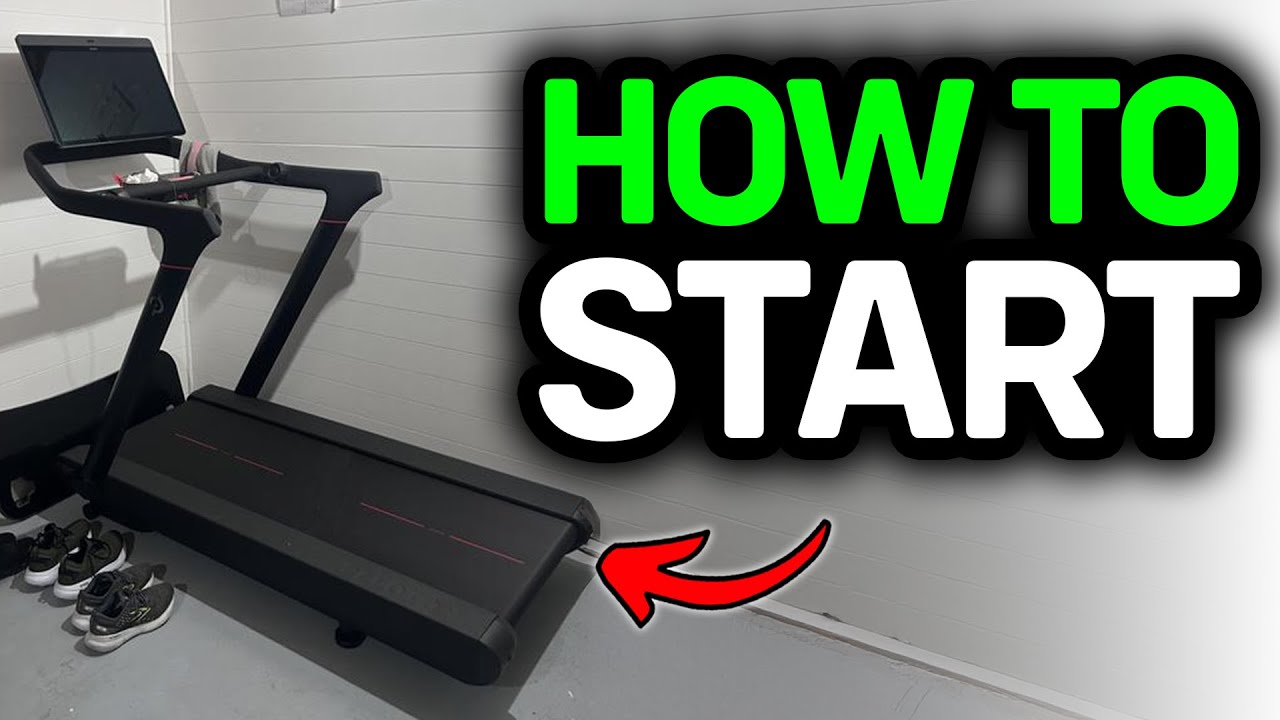
Plug the machine in, attach the safety key, set a low speed, then step on after the belt starts slowly.
I’ve been helping people set up and use home gym equipment for over a decade, and I’ll walk you through exactly how to start a treadmill safely and confidently. This guide covers step-by-step startup, safety checks, common startup problems and fixes, maintenance tips, and beginner workouts. Read on to learn practical, tested methods so your first few starts go smoothly and your treadmill lasts longer.

Why starting a treadmill correctly matters
Starting a treadmill the right way protects you, the machine, and your workout progress. A poor startup can damage the motor, misalign the belt, or cause falls. It can also void warranties if you skip safety steps or misuse controls.
I’ve seen new users damage belts by stepping on a stopped deck or by powering to high speed too fast. A careful, consistent startup routine reduces wear and tear and improves safety. Knowing how to start a treadmill helps you build reliable habits and enjoy better workouts.
Step-by-step: how to start a treadmill safely
Follow these steps every time you power up. They work for most motorized home treadmills.
- Unpack and position
- Place the treadmill on a flat, stable surface with space behind and to the sides.
- Leave at least 2 feet of clearance behind the machine.
- Check power and outlet
- Plug directly into a grounded outlet or use a rated surge protector.
- Avoid extension cords that can overheat or cause voltage drops.
- Inspect the deck and belt
- Make sure the belt is centered and free of debris.
- Look for loose screws, frayed cords, or damage to the plug.
- Attach the safety key and clip
- Insert the safety key into the console slot.
- Clip the tether to your clothing before you start.
- Turn on the main power switch
- Flip the power switch usually located at the rear or near the motor housing.
- Wait a second for the console to boot and run self-checks.
- Select a program or manual mode
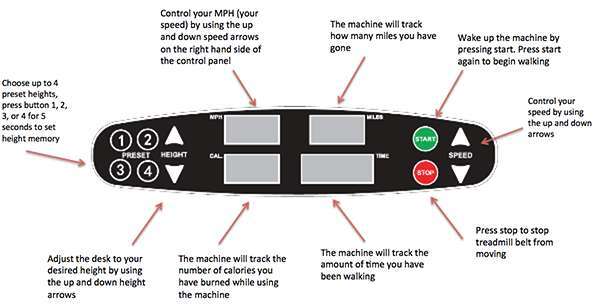
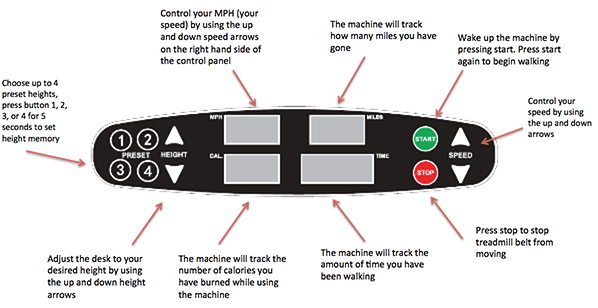
- Choose “Quick Start” or “Manual” for immediate control.
- Program modes will preload speed and incline; review them before starting.
- Start at a low speed
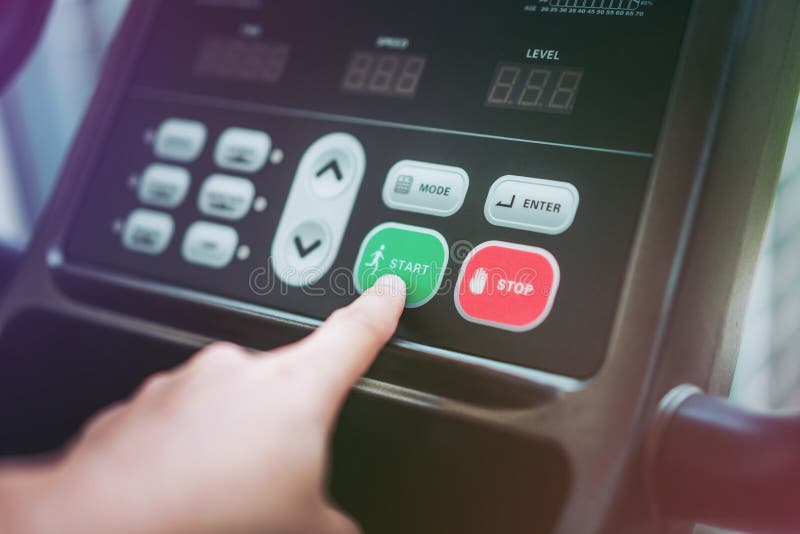
- Press the start button and set speed to 0.5–1.0 mph (walking speed).
- Let the belt run for a few seconds before stepping on.
- Step on safely
- Stand on the side rails, then step lightly onto the moving belt.
- Use the handles until you are steady, then release and begin walking.
- Adjust gradually
- Increase speed or incline in small increments.
- Always use small changes to avoid losing balance.
- Emergency stop
- Know where the emergency stop is and practice using it once.
- Keep the safety key tethered for automatic cut-off.
Performing these steps each time reduces risk and prolongs motor life. If the treadmill feels unstable or makes odd noises on startup, power off and inspect before using.

Common startup problems and how to fix them
Here are frequent issues I’ve faced and practical fixes that worked during repairs and troubleshooting.
Power won’t turn on
- Check the outlet by plugging another device.
- Confirm the treadmill’s power switch is on and the safety key is inserted.
Console boots but belt won’t move
- Ensure the speed is set above zero and the start button is pressed.
- Inspect the drive belt and motor for wear. A loose drive belt needs a technician.
Belt slips or trails to one side
- Power off and rebalance the belt by adjusting the rear tension bolts per the manual.
- Clean the deck and lubricate the belt if it’s sticking.
Unusual noises on startup
- Tighten loose bolts around the motor and frame.
- Listen for motor grinding; if present, stop and call service.
Error codes or flashing lights
- Note the code and check the manual for diagnostics.
- Resetting power can clear transient faults; persistent codes need technician attention.
If a fix requires opening the motor cover or working on electrical components, unplug the treadmill and consult a qualified technician. My rule: don’t risk electrical repair unless you are trained.
Maintenance tips to ensure reliable starts and longer life
Regular care prevents many startup and long-term problems. I’ve stretched the life of machines by following simple routines.
- Weekly checks
- Wipe dust from the console and motor cover.
- Sweep under and around the treadmill.
- Monthly care
- Inspect belt alignment and tension.
- Tighten loose screws and bolts.
- Every 3–6 months
- Lubricate the deck-belt interface if your manual recommends it.
- Inspect the power cord for wear.
- Yearly professional service
- Have a tech check motor brushes, drive belts, and electronics if you use the treadmill heavily.
Use a surge protector rated for motorized equipment to avoid power surges. Keep the machine in a climate-controlled space to prevent belt drying and electronic failure.

Beginner workouts to try after you start the treadmill
Starting well sets you up for a good workout. Here are simple sessions to grow confidence and fitness.
- Easy walk
- Warm up at 1.5–2.5 mph for 5 minutes, then walk at 3.0 mph for 20 minutes. Cool down 5 minutes.
- Interval walk-run
- Alternate 1 minute jog with 2 minutes walk; repeat 8 times.
- Incline starter
- Walk at 3.0 mph with 1–2% incline for 20 minutes to increase effort without speed.
- Speed ladder
- Increase speed by 0.2–0.5 mph every 2 minutes for 8 minutes, then reverse.
Always warm up and cool down. If you feel dizziness or chest pain, stop and seek help.
Safety checklist before you start a treadmill
Run through this checklist before every session. It takes 30 seconds and prevents most incidents.
- Shoes: wear supportive running or walking shoes with good grip.
- Clothing: avoid loose garments that could catch in the belt.
- Tether: attach the safety key clip to your clothing.
- Hydration: keep water nearby but off the running deck.
- Clear area: remove pets, toys, and clutter from the treadmill zone.
- Emergency plan: know how to use the stop button and safety key.
A short safety routine keeps workouts safe and consistent.
Personal experience: what I learned starting and using treadmills
I once helped set up a treadmill for a client who stepped onto a stopped belt and warped the deck. That mistake cost a repair bill and weeks without training. I learned to always teach new users the step-on method: start the belt first, then step on.
Another lesson came from using a cheap surge protector that failed and damaged a console. After that, I recommend a high-quality surge protector rated for motor loads. Small investments in startup habits and protection save money and stress.

Related concepts: treadmill types, controls, and setup differences
Understanding common treadmill types helps you apply startup steps correctly.
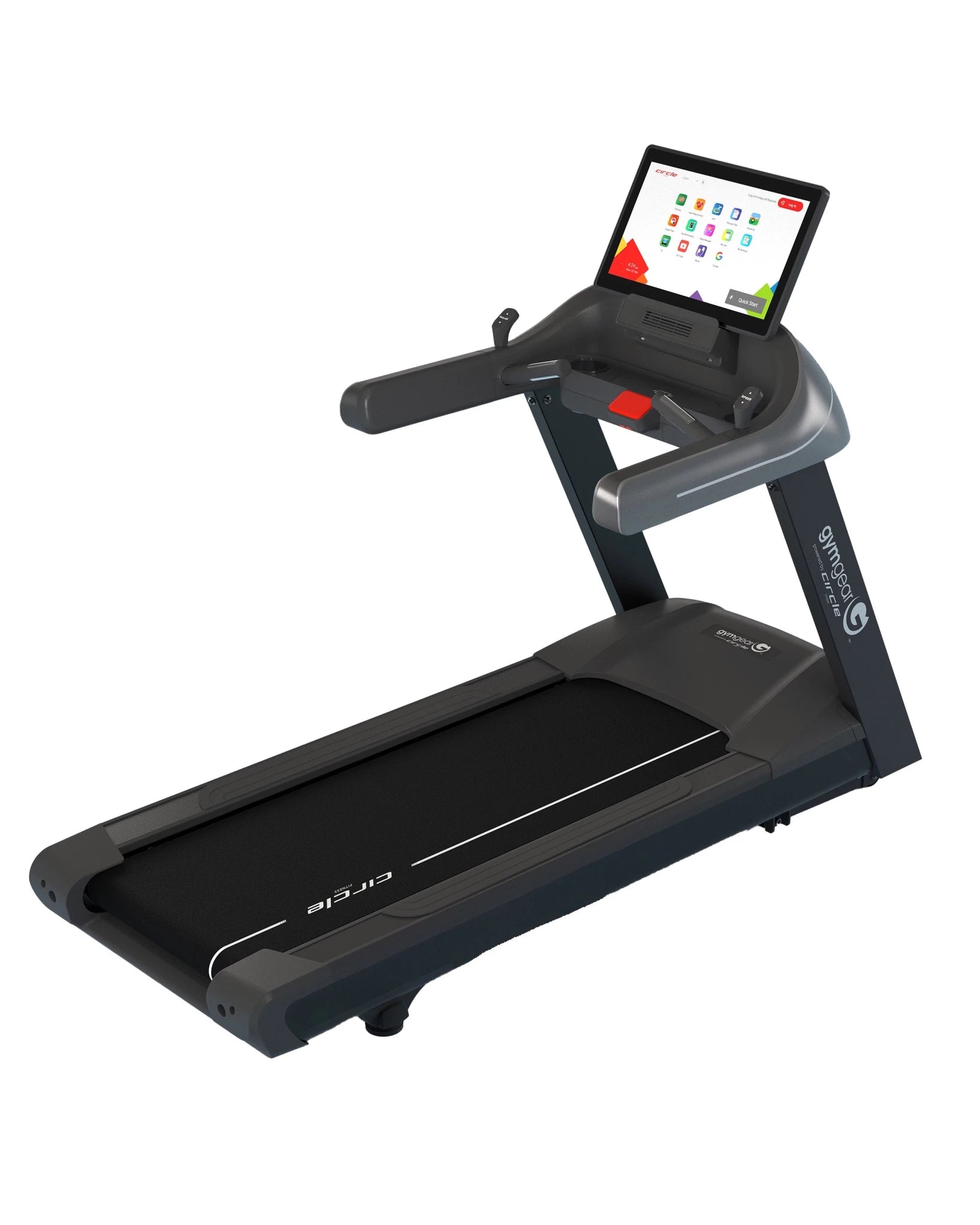
- Motorized treadmills
- Use an electric motor and require power. Most home models are motorized.
- Manual treadmills
- User-driven belts that start when you walk. They need different startup habits—always stand to one side until the belt moves.
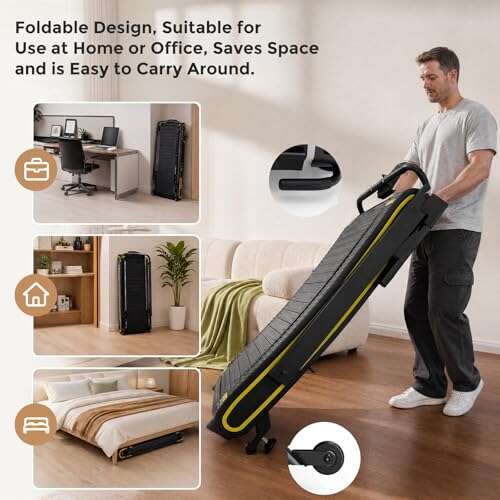
- Folding vs non-folding
- Folding models may have locking pins; ensure they are secured before use.
- Incline types
- Manual incline requires you to set ramps; powered incline uses console controls.
Knowing your model and reading the manual are essential first steps for safe startups.

Frequently Asked Questions of how to start a treadmill
How do I safely step onto a treadmill when it starts?
Stand on the side rails, start the belt at low speed, then step onto the belt with one foot first and hold the rails until balanced. Gradually release the rails as you feel steady.
What should I do if the treadmill doesn’t power on?
Confirm the outlet works, check the main power switch, and ensure the safety key is inserted. If all those are fine, check circuit breakers and consult the manual or a technician.
Can I use an extension cord to start my treadmill?
Avoid extension cords; they can cause voltage drops or overheat. Use a properly rated surge protector or plug the treadmill directly into a grounded outlet.
When should I lubricate the treadmill belt?
Follow your manual, but usually every 3–6 months for home use if the manufacturer recommends it. Proper lubrication reduces friction and helps the motor start and run smoothly.
Is it safe to start a treadmill without the safety key?
No. The safety key is designed to cut power in an emergency and to prevent unauthorized use. Always insert and clip the key before starting.
How long should I let the belt run before stepping on?
Let it run at a low speed for 3–5 seconds so it reaches a stable motion. This small pause prevents catching or sudden starts when you step on.
Conclusion
Starting a treadmill correctly is simple, safe, and repeatable when you follow clear steps: inspect the machine, plug in and power on, use the safety key, start slow, and step on carefully. These habits protect you and your equipment and help you get consistent workouts.
Take action today: run through the startup checklist before your next session and try one of the beginner workouts listed here. If you found this guide helpful, leave a comment, share your startup experience, or subscribe for more practical fitness equipment tips.

Brandon Knoxley is a sport & fitness writer and training guide contributor at MySportFitHub. He focuses on practical workouts, performance-based training, and honest fitness gear insights designed for real people and real results. Brandon is passionate about helping beginners and active individuals train smarter, avoid common mistakes, and build sustainable fitness habits.