How to Build Long Term Sports Performance: Proven Strategies for Success
Are you ready to unlock your full potential and keep improving your sports performance for years to come? Building long-term sports performance isn’t about quick fixes or short bursts of effort.
It’s about creating habits and strategies that help your body and mind grow stronger over time. You’ll discover simple yet powerful ways to train smarter, recover better, and stay motivated. Keep reading, and you’ll learn how to make lasting progress that keeps you ahead of the game—season after season.

Credit: www.researchgate.net
Setting Clear Goals
Setting clear goals is a key step for building long-term sports performance. Goals give direction and purpose. They help athletes stay focused and motivated over time. Clear goals break down big ambitions into manageable steps. This makes progress easier to track and success more likely.
Short-term Vs Long-term Targets
Short-term targets are small goals that athletes can reach quickly. They help build habits and confidence. These targets keep motivation high by showing steady progress. Long-term targets are the bigger aims, like winning a championship or improving overall skill. They require patience and consistent effort. Both types of goals work together to create a clear path forward.
Measuring Progress Effectively
Tracking progress helps athletes see what works and what needs change. Use simple tools like journals, apps, or charts. Measure specific things like speed, strength, or technique. Set regular check-ins to review and adjust goals. This keeps efforts aligned and avoids burnout. Clear measurements make growth visible and keep motivation strong.
Consistent Training Habits
Consistent training habits form the backbone of long-term sports success. Regular practice builds skill, strength, and endurance over time. Sticking to a routine helps athletes stay focused and motivated. It reduces injury risk and improves performance steadily. Consistency beats short bursts of intense effort. Patience and discipline bring lasting results.
Creating A Sustainable Routine
Design a training plan that fits daily life. Include exercises that target key skills and muscles. Avoid overloading any single day to prevent burnout. Set realistic goals for each week and month. Track progress to stay motivated and adjust when needed. Consistency grows from habits that feel achievable and balanced.
Balancing Intensity And Recovery
Train hard but respect the body’s need to rest. High-intensity sessions improve fitness but strain muscles. Recovery days allow healing and growth. Mix easy days with tough workouts to maintain energy. Sleep well and eat nutritious food to support repair. Balance keeps performance rising and injuries low.
Nutrition For Peak Performance
Nutrition plays a key role in building long term sports performance. The right food helps the body recover and grow stronger. Eating well supports energy levels and muscle repair. Poor nutrition can lead to fatigue and injury. Athletes need a balanced diet to stay at their best every day.
Fueling Workouts Properly
Eating before exercise gives the body energy. Choose foods high in carbohydrates and moderate in protein. These provide fuel for muscles and help avoid tiredness. Aim to eat a small meal or snack one to two hours before working out. Good options include a banana with peanut butter or yogurt with fruit.
After workouts, protein helps repair muscles. Carbohydrates refill energy stores. A simple meal like chicken with rice and vegetables works well. Avoid heavy or greasy foods that slow digestion. Timing meals right can improve recovery and performance over time.
Hydration Strategies
Water is vital for peak performance. Even mild dehydration lowers strength and focus. Drink water throughout the day, not just during exercise. Start workouts well hydrated by drinking 16 to 20 ounces of water two hours before. Sip small amounts regularly during activity.
For long or intense sessions, consider drinks with electrolytes. These help replace minerals lost in sweat. Avoid sugary or caffeinated drinks that cause dehydration. Proper hydration aids endurance and keeps the body working efficiently.
Mental Strength And Focus
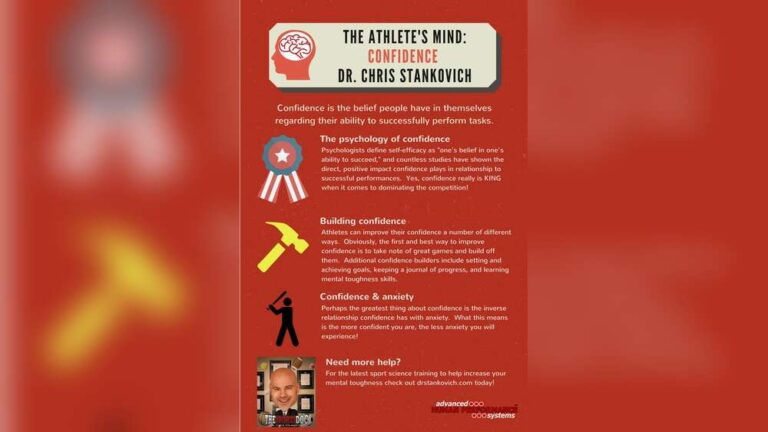
Mental strength and focus are keys to long-term sports success. Athletes need strong minds to face tough challenges. This helps keep performance steady over time. Good mental habits improve training and competition. They build confidence, reduce stress, and sharpen focus.
Training the mind is as important as training the body. Mental strength grows through practice and patience. Focus helps athletes stay on their goals. It blocks distractions and keeps the mind clear. Together, mental strength and focus create a powerful base for sports growth.
Building Resilience
Resilience means bouncing back from setbacks quickly. It helps athletes stay strong after losses or injuries. To build resilience, accept mistakes as learning chances. Practice positive self-talk to fight negative thoughts. Set small, clear goals to maintain motivation. Rest and recovery also boost mental toughness. Resilient athletes keep trying and never give up.
Techniques For Concentration
Concentration improves the ability to focus on tasks. Athletes can use breathing exercises to calm their minds. Visualizing success helps prepare for challenges. Break tasks into smaller steps to avoid overwhelm. Limit distractions by creating a quiet training space. Regular practice of these techniques strengthens focus over time.
Injury Prevention And Management
Injury prevention and management is key for long-term sports performance. Athletes must protect their bodies to perform well over time. Avoiding injuries helps maintain training consistency and progress.
Proper care and attention reduce the risk of setbacks. Understanding how to prevent and manage injuries keeps athletes on track. It supports recovery and helps athletes return stronger.
Effective Warm-ups And Cool-downs
Warming up prepares the body for exercise. It increases blood flow and loosens muscles. A good warm-up reduces muscle stiffness and lowers injury risk.
Simple activities like light jogging and stretching work well. They prepare joints and muscles for harder movements. Warm-ups should last at least 10 minutes.
Cooling down helps the body return to rest. It prevents muscle soreness and stiffness. Gentle stretching and slow walking are effective cool-down techniques.
Cool-downs help remove waste products from muscles. They support faster recovery after training or games. Never skip warm-ups or cool-downs for safe training.
Recognizing Early Signs Of Injury
Pay attention to pain and discomfort during exercise. Early signs include swelling, stiffness, or sharp pain. Ignoring these symptoms can worsen injuries.
Stop activity at the first sign of unusual pain. Rest and apply ice to reduce swelling. Seek medical advice if pain persists or worsens.
Early treatment helps prevent long-term damage. Athletes who recognize injuries early often recover faster. Always listen to the body’s signals to stay healthy.
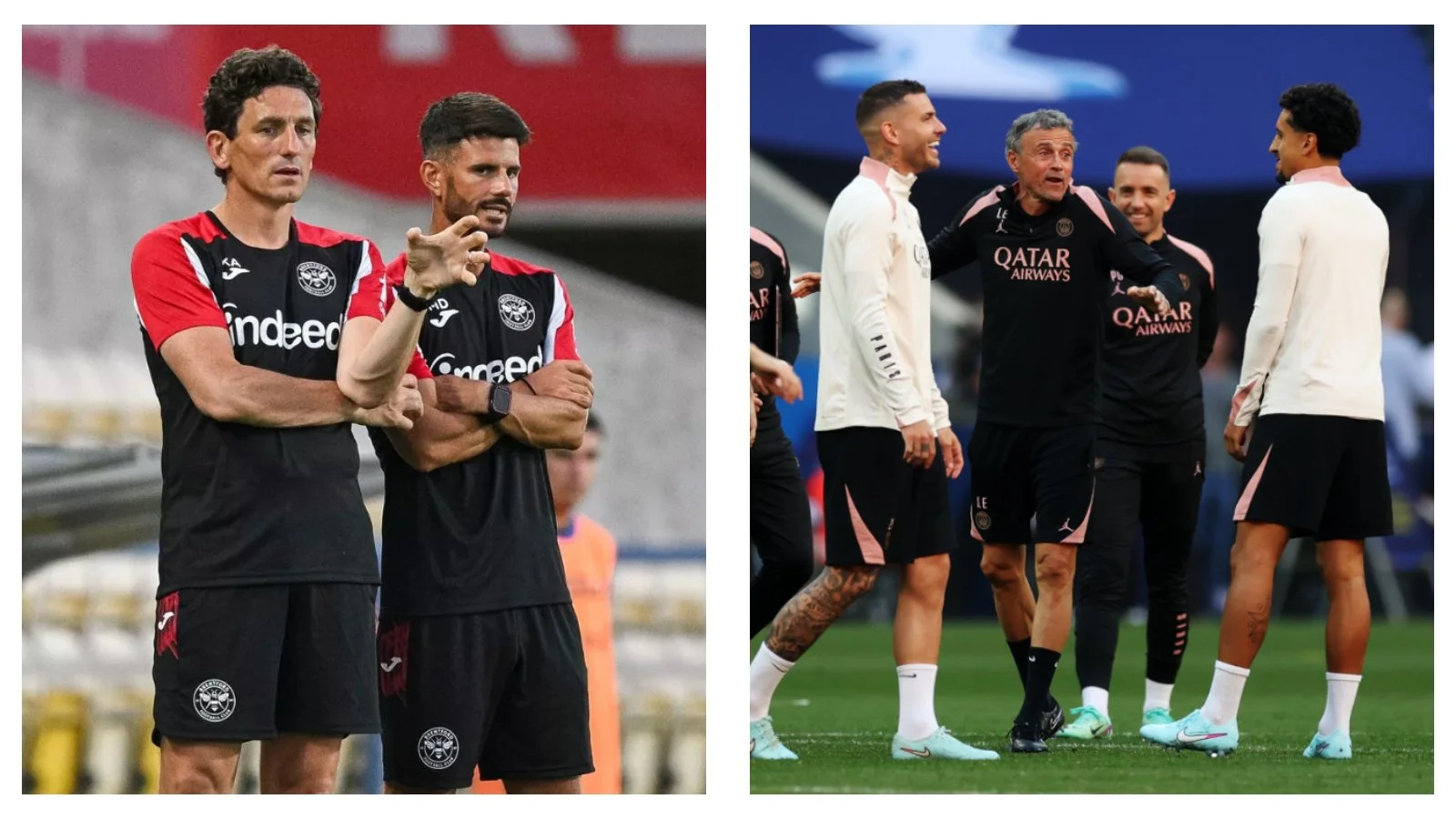
Credit: www.thesportsnewsblitz.com
Tracking And Analyzing Performance
Tracking and analyzing performance is key to improving sports skills over time. It helps athletes see progress and find areas to work on. Careful tracking makes training smarter and more effective. Consistent review of performance data guides better decisions. This leads to steady gains and fewer injuries.
Using Technology And Data
Technology makes tracking easier and more accurate. Devices like GPS watches and heart rate monitors collect useful information. Apps help record training sessions and results. Data shows patterns in speed, strength, and endurance. This clear feedback helps athletes know their true levels. Coaches use data to plan better workouts.
Adjusting Plans Based On Feedback
Feedback from data should change training plans. If progress stalls, it signals the need for new approaches. Adjusting workouts prevents burnout and keeps motivation high. Small changes in intensity or rest can improve results. Listening to the body and data avoids injury risks. Regular plan updates support long-term growth in sports.
Rest And Recovery Importance
Rest and recovery play a key role in building long-term sports performance. They allow the body to heal and grow stronger after training. Without proper rest, athletes risk injury and burnout. Recovery helps muscles repair, reduces fatigue, and improves focus. It also supports mental health, keeping motivation high for future training.
Balancing intense workouts with enough rest boosts endurance and power over time. Skipping rest slows progress and can lead to setbacks. Prioritizing recovery is as important as the training itself for lasting success in sports.
Sleep’s Role In Performance
Sleep is the most vital recovery tool for athletes. It helps the body repair muscles and restore energy. During deep sleep, the body releases growth hormones that aid healing. Lack of sleep reduces strength, speed, and coordination. It also lowers the immune system, increasing injury risk. Most athletes need 7 to 9 hours of quality sleep nightly. Good sleep habits improve focus, reaction time, and mood. Consistent sleep boosts training gains and overall health.
Active Recovery Methods
Active recovery involves low-intensity activities that help the body heal. Examples include walking, swimming, or light cycling. These activities increase blood flow and remove waste from muscles. They reduce soreness and stiffness after hard workouts. Active recovery keeps the body moving without adding stress. Stretching and foam rolling also help relax tight muscles. This approach speeds up recovery and prepares the body for the next session. Rest days with active recovery improve long-term performance and prevent injuries.
Building A Support System
Building a strong support system is key for long-term sports success. Athletes need people who guide, motivate, and challenge them. A good support system helps maintain focus and confidence through ups and downs. It creates a positive space to grow skills and stay committed.
Coaches And Mentors
Coaches provide expert advice and technical training. They help athletes set clear goals and track progress. Mentors share their experience and offer emotional support. Both push athletes to improve and stay motivated. Their guidance helps avoid mistakes and build strong habits.
Training With Peers
Training with peers adds fun and healthy competition. Peers encourage each other to work harder. They offer feedback and share training tips. Group training builds teamwork and discipline. It also helps athletes stay consistent and enjoy the process.

Credit: www.dewlax.com
Frequently Asked Questions
What Are The Key Elements Of Long Term Sports Performance?
Long term sports performance requires consistent training, proper nutrition, mental focus, and injury prevention. Balancing rest and recovery is vital for sustained progress and peak performance.
How Does Nutrition Impact Sports Performance Over Time?
Nutrition fuels the body for training and recovery. A balanced diet with proteins, carbs, fats, and hydration supports endurance, strength, and muscle repair for long term success.
Why Is Mental Toughness Important In Sports Performance?
Mental toughness helps athletes stay focused, overcome setbacks, and maintain motivation. It builds resilience, enhances confidence, and improves decision-making under pressure for lasting performance.
How Can Injury Prevention Improve Long Term Sports Success?
Injury prevention through proper warm-ups, stretching, and technique reduces downtime. Staying injury-free ensures consistent training and progress, which is essential for sustaining performance over years.
Conclusion
Building long-term sports performance takes time and steady effort. Focus on daily practice and healthy habits. Rest and recovery help your body grow stronger. Set small goals to track progress. Stay patient and keep learning from each experience. Consistency beats quick fixes every time.
Enjoy the journey, not just the results. This approach leads to lasting success in sports. Keep moving forward, step by step.

Brandon Knoxley is a sport & fitness writer and training guide contributor at MySportFitHub. He focuses on practical workouts, performance-based training, and honest fitness gear insights designed for real people and real results. Brandon is passionate about helping beginners and active individuals train smarter, avoid common mistakes, and build sustainable fitness habits.