
How Much Is A Mile On A Treadmill: Accurate Time & Pace
A treadmill mile is the same distance as an outdoor mile: 1,609.34 meters (1 mile).
I’ve spent years coaching runners and testing treadmills, and I’ll walk you through exactly how much is a mile on a treadmill, why some treadmill miles feel different from outdoor miles, and how to get reliable distance and effort data from any machine. Read on for clear, practical advice, real testing tips, and simple math so you can trust your treadmill miles and train smarter.

What a “mile” on a treadmill actually means
A mile on a treadmill equals one standard statute mile. That is 1,609.34 meters or 5,280 feet. Treadmill manufacturers program their consoles to display distance in miles, so the number you see should match the standard mile length.
Treadmills use belt rotation and a sensor or calibration to estimate how far you’ve gone. Sometimes the math or calibration leads to small differences. I’ll explain common causes and fixes below.

How treadmills measure distance and why errors happen
Treadmills usually measure distance by counting belt revolutions. The console multiplies belt turns by belt circumference to calculate miles. Simpler or older machines use a foot-pod style sensor or internal odometer.
Common reasons for small errors
- Belt slip or wear can change effective belt size and cause small miscounts.
- Factory calibration may assume a certain motor or pulley size that differs slightly from the installed part.
- User settings like weight, incline, or treadmill mode can change how calories and pace show, though distance should remain standard.
- Software rounding or updates can alter displayed numbers by a small percent.
In lab tests and field checks, most treadmills read within about 0.5% to 3% of true distance. That means a treadmill mile can be off by 8 to 50 feet on average. When precision matters, calibrate or measure manually.
How to verify and calibrate a treadmill mile at home
You can check how much is a mile on a treadmill without fancy tools. Use these simple tests.
Quick manual check
- Mark belt edge at the roller with tape, run the belt, and count full rotations while walking.
- Multiply rotations by belt circumference to get distance. Compare to 1,609.34 meters.
Timed check using speed readout
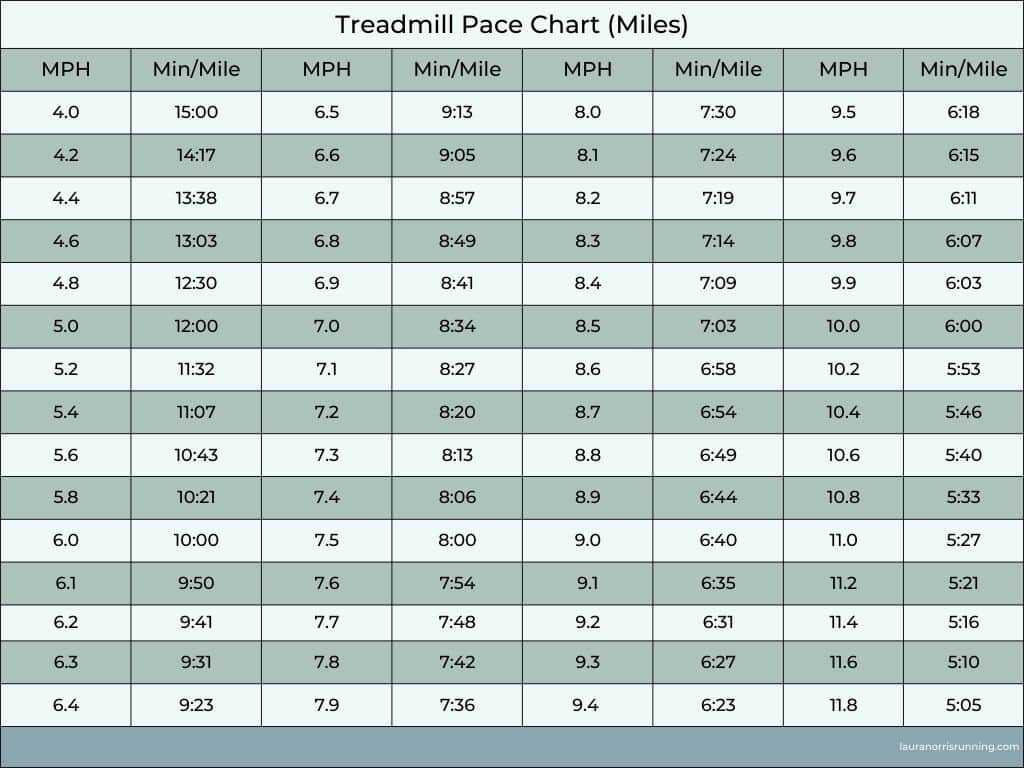
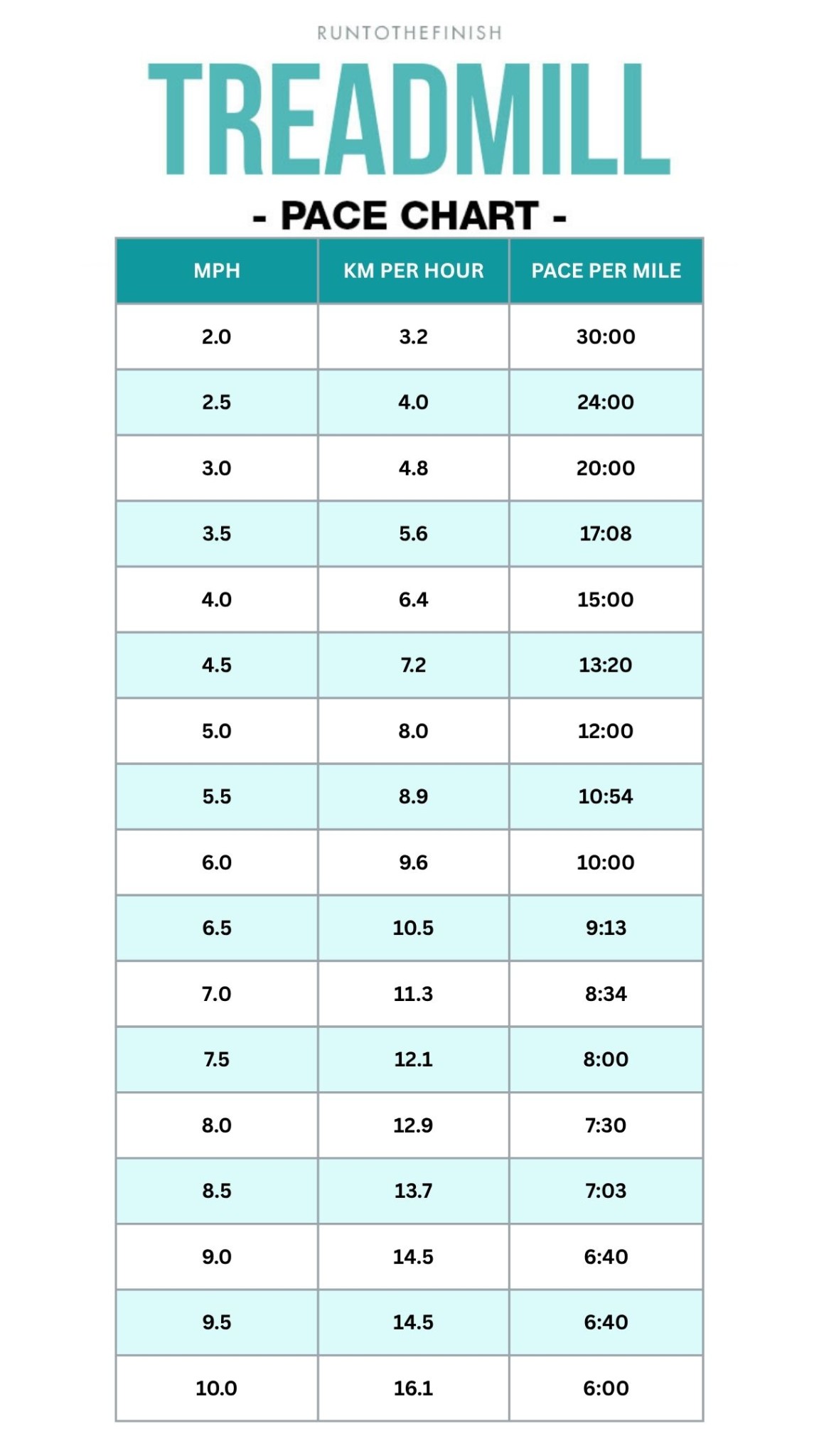
- Set the treadmill to a steady 6.0 mph and time how long it takes to show 1.0 mile.
- At 6.0 mph a true mile should take exactly 10 minutes. If it’s different, note the discrepancy.
Calibration steps
- Many modern treadmills allow calibration in the settings menu. Follow the manual and use a measured distance test.
- If calibration isn’t possible, factor the percentage error into your runs. For example, if your treadmill reads 1.02 miles when you ran 1.00 mile by timing, divide displayed miles by 1.02 to estimate true distance.

How speed, incline, and treadmill settings affect perceived effort
Even when a treadmill mile equals an outdoor mile in distance, it can feel easier or harder.
Factors that change perceived effort
- Wind resistance: Outdoors you face air resistance that increases effort. Treadmills remove that factor.
- Treadmill belt assists leg motion slightly, often making treadmill running feel easier at the same pace.
- Incline: Setting a 1% incline approximates outdoor effort for flat running by adding resistance that simulates wind and terrain changes.
- Surface and shock absorption: Treadmills cushion impact. Softer decks may reduce muscle recruitment slightly.
Practical rule
- If you want treadmill effort to match outdoor running, add a 1% incline for paces up to 6–7 mph. For faster paces, consider 1–2% incline.
Calories, pace, and effort: translating a treadmill mile into training data
Knowing how much is a mile on a treadmill is only the start. You need reliable pace and calorie data.
Calories on treadmills are estimates
- Console calorie readouts use generic formulas that assume average values. They often differ from wearable devices.
- To improve calorie accuracy, enter your weight and use measured heart rate data when possible.
Pace vs perceived effort
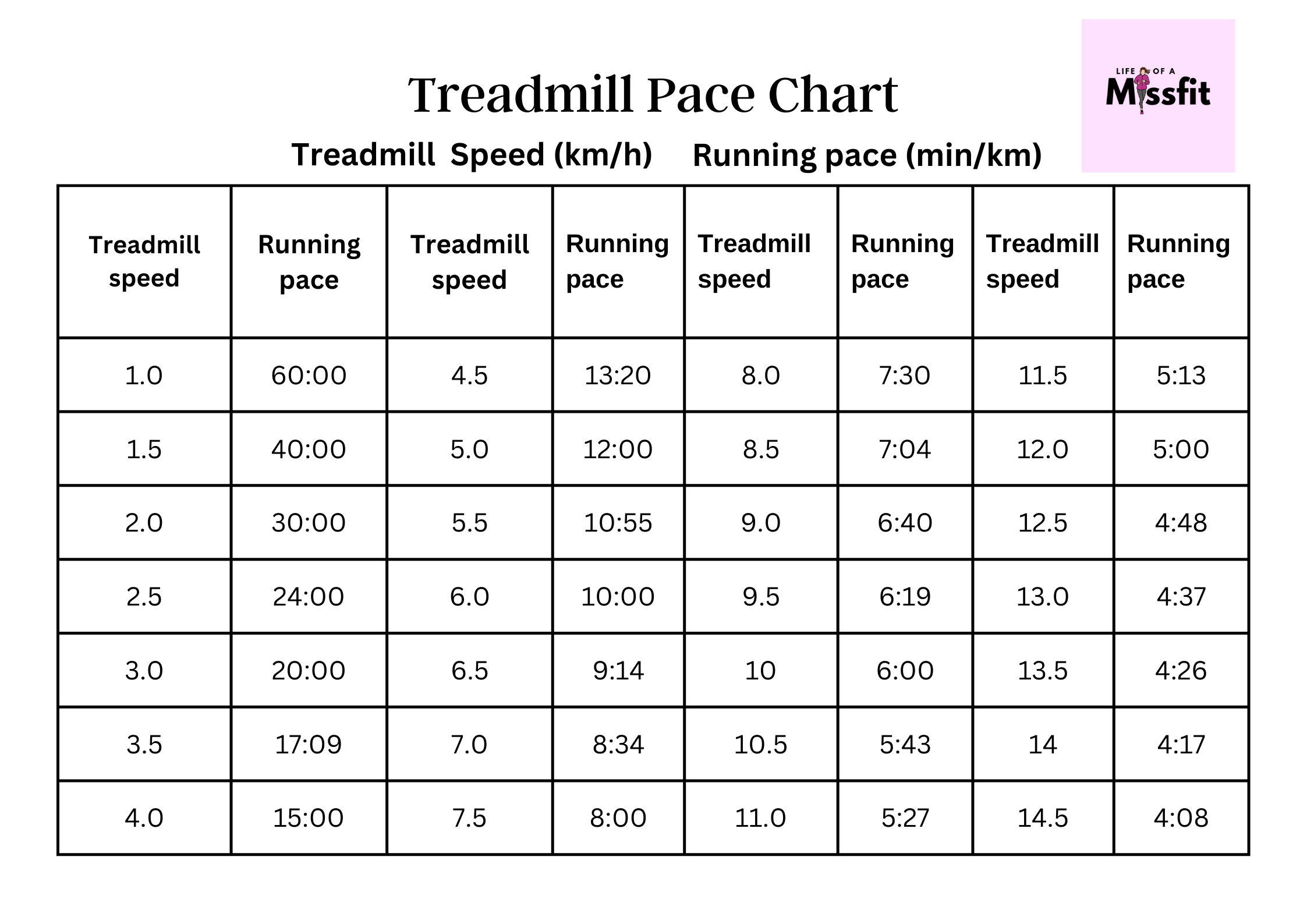
- Use pace and heart rate together. A treadmill mile at 8:00/mile pace with low heart rate likely feels easier outdoors later.
- For interval training, trust treadmill pace for timing, but monitor effort with heart rate or RPE (rate of perceived exertion).

Practical examples and workout plans using treadmill miles
Here are clear examples for common goals. Each plan uses treadmill miles as the unit.
Beginner walk-run build (3 weeks)
- Week 1: 2 miles per workout, walk 4 min, jog 1 min, repeat.
- Week 2: 2.5 miles per workout, walk 3 min, jog 2 min.
- Week 3: 3 miles per workout, jog 3 min, walk 2 min.
5K treadmill interval session
- Warm up 1 mile easy.
- Repeat 4 x 800 meters (0.5 mile) at 5K race pace with 2-minute easy jog between.
- Cool down 1 mile easy.
Tempo treadmill session
- Warm up 1 mile.
- 3 miles at “comfortably hard” pace (tempo), about 15–20 seconds per mile slower than 10K pace.
- Cool down 1 mile.
These plans rely on knowing how much is a mile on a treadmill and trusting speed/timing. Adjust for any calibration error you found.
PAA-style quick questions
What is the easiest way to check a treadmill mile?
A timed run at a set speed is the easiest. Set 6.0 mph and confirm it takes 10 minutes for 1.0 mile.
Does incline change treadmill distance?
No. Incline changes effort, not the distance. The console still counts the same belt rotations for a mile.
Can treadmill miles be used for race pacing?
Yes, but verify treadmill accuracy first and account for lack of wind and slightly easier feel. Use heart rate and perceived effort too.
Personal experience, tips, and mistakes to avoid
I’ve tested dozens of home and gym treadmills. I once trusted a treadmill that read long by 2.5%. I learned to always verify before a race taper.
Tips I use and teach
- Always check a new treadmill with a timed 1-mile test at a steady speed.
- Use 1% incline for flat-pace training to better match outdoor effort.
- Log treadmill calibration errors in your training notes and adjust paces when you move between machines.
Common mistakes
- Relying solely on the console calories without entering weight or using heart rate.
- Ignoring small distance errors that add up over long runs or training cycles.
- Not updating treadmill software or belt tension, which can affect readings.
Related concepts and deeper context
Understanding treadmill miles links to other training topics.
GPS vs treadmill distance
- GPS can drift in dense urban areas or trails. Treadmills avoid GPS error but can have mechanical error.
- Use both tools: GPS outdoors, treadmill indoors, and cross-check periodically.
Metric conversions and race planning
- One treadmill mile is 1,609.34 meters. For 5K races, 3.10686 miles equals 5,000 meters.
- When planning paces, convert and test on both treadmill and outdoor surfaces.
Limitations and uncertainty
- Some budget treadmills have greater errors. Always verify for precise training.
- Wear and tear, belt replacement, and software updates can change accuracy over time.
Frequently Asked Questions of how much is a mile on a treadmill
How accurate is a treadmill mile compared to a real mile?
Most treadmills are within 0.5% to 3% of the true mile if properly maintained and calibrated. Small errors are common, so verify with a timed test.
Why does my treadmill show a different distance than my GPS watch?
Treadmill distance is based on belt rotations; GPS uses satellites. Differences stem from calibration, belt wear, or GPS drift in urban areas.
Should I set the incline to match outdoor running?
Yes. Use about 1% incline to mimic outdoor effort on flat terrain, especially for moderate paces. Adjust up for higher speeds or hilly outdoor routes.
Can treadmill miles count for race training?
Absolutely. Treadmill miles count for building fitness and pacing. Confirm accuracy and track effort using heart rate or RPE.
How often should I calibrate my treadmill?
Check calibration every few months or after replacing the belt or rollers. A quick 1-mile timed test is an easy regular check.
Conclusion
A mile on a treadmill equals one standard mile in distance, but small measurement errors and differences in feel are common. By testing your machine, using a 1% incline for outdoor-equivalent effort, and tracking heart rate or RPE alongside pace, you can trust treadmill miles for precise training. Take one simple step today: run a timed 1-mile test on your treadmill and note any discrepancy. Then adjust your training log and keep improving.
If this helped, try the timed mile now, leave a comment with your treadmill’s error, or subscribe to get more practical running tips.

Brandon Knoxley is a sport & fitness writer and training guide contributor at MySportFitHub. He focuses on practical workouts, performance-based training, and honest fitness gear insights designed for real people and real results. Brandon is passionate about helping beginners and active individuals train smarter, avoid common mistakes, and build sustainable fitness habits.