
How to Build Long-Lasting Sports Endurance: Proven Strategies
Are you tired of running out of steam before your game is over? Building long-lasting sports endurance isn’t just about pushing harder—it’s about training smarter.
Imagine having the energy to keep going strong, finish every match, and improve your performance every time you step on the field. You’ll discover simple, proven strategies that can boost your stamina and help you stay at the top of your game.
Ready to unlock your full endurance potential? Let’s dive in.

Credit: www.amazon.com
Key Factors In Sports Endurance
Building strong sports endurance depends on several key factors. These factors work together to help athletes perform longer and better. Understanding each one can guide your training. Focus on these areas to improve your stamina and strength for any sport.
Role Of Cardiovascular Fitness
Cardiovascular fitness is the foundation of endurance. It means your heart and lungs deliver oxygen efficiently. Better oxygen flow lets muscles work longer without tiring. Running, cycling, and swimming boost this fitness. Regular aerobic exercise strengthens your heart and lungs. This leads to improved stamina during sports activities.
Muscle Strength And Endurance
Strong muscles support prolonged physical activity. Muscle endurance means muscles can keep working without fatigue. Training with weights or resistance builds both strength and endurance. Focus on the muscles used most in your sport. Balanced strength reduces injury risk and improves performance. Consistent practice helps muscles adapt to longer efforts.
Mental Toughness
Mental toughness helps push through discomfort and fatigue. It builds confidence and focus during tough moments. Athletes with strong minds keep going despite challenges. Techniques like visualization and goal setting enhance mental strength. Training the mind is as important as training the body. A strong mindset sustains effort over long periods.
Effective Training Techniques
Building long-lasting sports endurance requires smart training. Effective training techniques improve stamina and strength. These methods help athletes perform better for longer periods. Training smart is as important as training hard. Focus on a mix of workouts to build endurance steadily.
Interval Training
Interval training alternates intense effort with rest. It boosts both speed and endurance quickly. Short bursts of running or cycling push your limits. Then, brief recovery periods help muscles reset. This method increases your heart’s ability to handle stress. It also improves how fast your body recovers. Start with easy intervals and increase intensity gradually.
Long Slow Distance Runs
Long slow distance runs build a strong endurance base. Running at a steady, comfortable pace helps your body adapt. This type of training improves your muscles’ ability to use oxygen. It trains your mind to stay focused for longer. These runs should be slower than race pace. Gradually increase your distance over weeks. Consistency is key for long-lasting endurance gains.
Cross-training Benefits
Cross-training involves different types of exercises. Swimming, biking, or rowing reduce injury risk. These activities improve cardiovascular fitness without stressing the same muscles. Cross-training enhances overall strength and flexibility. It keeps training fresh and enjoyable. Including cross-training days helps your body recover. It also prevents burnout and overuse injuries.
Nutrition For Endurance
Nutrition plays a key role in building long-lasting sports endurance. Proper food and drink help the body perform better and recover faster. Eating the right nutrients gives energy and supports muscles during exercise. Understanding what to eat and drink can boost endurance and keep you going longer.
Carbohydrates And Energy
Carbohydrates are the main fuel for endurance activities. They break down into glucose, which muscles use for energy. Eating enough carbs before and during exercise helps maintain stamina. Choose whole grains, fruits, and vegetables for steady energy release. Avoid too much sugar, which can cause quick energy drops.
Hydration Strategies
Staying hydrated is vital for endurance. Water supports muscle function and controls body temperature. Drink water regularly before, during, and after exercise. For long sessions, use drinks with electrolytes to replace lost minerals. Proper hydration prevents cramps and fatigue, helping you perform well.
Supplements That Help
Some supplements can support endurance and recovery. Protein powders aid muscle repair after workouts. Beetroot juice may improve oxygen use in muscles. Caffeine can increase alertness and reduce tiredness. Use supplements carefully and consult a healthcare provider before starting.

Credit: simpleendurancecoaching.com
Recovery And Injury Prevention
Recovery and injury prevention play a key role in building long-lasting sports endurance. Without proper rest and care, the body can suffer from fatigue and damage. Athletes must focus on strategies that help muscles heal and stay flexible. These steps reduce the risk of injury and keep performance steady over time.
Importance Of Rest Days
Rest days allow the body to repair muscles and regain strength. Training every day without breaks can cause exhaustion and poor results. Taking time off helps reduce muscle soreness and lowers injury risk. Even short rest periods improve energy and mental focus for future workouts.
Stretching And Mobility
Stretching keeps muscles flexible and joints healthy. It helps increase blood flow and reduces stiffness after exercise. Mobility exercises improve movement range and prevent tightness that leads to injuries. Regular stretching supports better posture and smoother motion during sports activities.
Recognizing Overtraining
Overtraining happens when the body does not get enough recovery. Signs include constant tiredness, poor sleep, and frequent injuries. Mood changes and loss of motivation also signal overtraining. Paying attention to these signs helps athletes adjust their routines and avoid serious harm.
Tracking Progress And Setting Goals
Tracking progress and setting goals are key for building strong sports endurance. They help keep focus and show how far you have come. Clear goals create motivation. Tracking progress gives proof of improvement. Together, they guide your training and boost confidence.
Using Wearable Technology
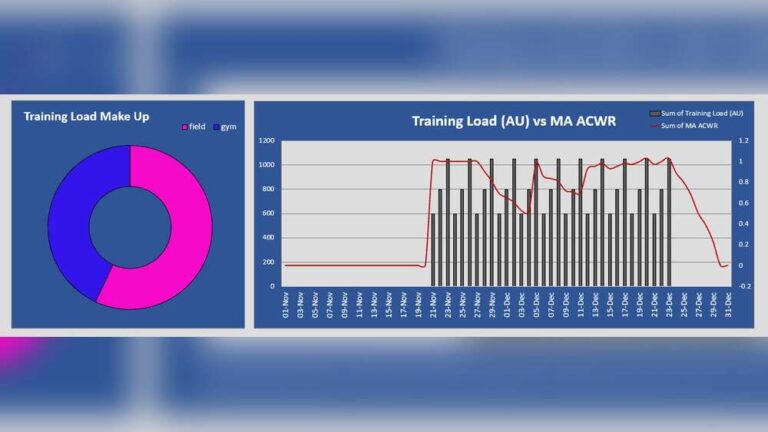
Wearable devices track your heart rate, distance, and speed. They give real-time data during workouts. This helps you see how hard you are working. You can spot trends and areas to improve. Many devices offer easy-to-read charts and reports. They make tracking progress simple and fun.
Creating Realistic Milestones
Set small goals that you can reach step by step. Realistic milestones keep you motivated and prevent frustration. For example, increase running time by one minute each week. Celebrate every achievement, no matter how small. This builds confidence and keeps you moving forward.
Adjusting Plans Based On Feedback
Listen to your body and data from tracking tools. If progress slows or pain appears, change your training plan. Adjust intensity, rest days, or exercise type. Feedback helps avoid injury and burnout. A flexible plan supports steady improvement and long-term endurance.

Credit: www.americansportandfitness.com
Frequently Asked Questions
What Are The Best Exercises To Improve Sports Endurance?
Cardio workouts like running, cycling, and swimming boost endurance effectively. Interval training combines high and low intensity for better stamina. Consistent training gradually increases your aerobic capacity and muscle strength.
How Does Nutrition Affect Sports Endurance?
Proper nutrition fuels your body and improves performance. Balanced meals with carbs, proteins, and fats sustain energy. Staying hydrated and consuming electrolytes prevent fatigue and maintain endurance during prolonged activities.
How Important Is Rest For Building Endurance?
Rest allows muscles to recover and grow stronger. Overtraining can lead to injury and decreased performance. Aim for quality sleep and scheduled rest days to maximize endurance gains.
Can Mental Training Enhance Sports Endurance?
Yes, mental toughness improves focus and motivation. Visualization, goal-setting, and mindfulness reduce stress and boost stamina. Strong mental endurance helps you push through physical limits during competition.
Conclusion
Building strong sports endurance takes time and steady effort. Focus on regular training with rest days included. Eat well and stay hydrated to support your body. Keep your goals clear and track your progress often. Listen to your body to avoid injury and burnout.
Patience and consistency bring lasting results. Enjoy the process and celebrate small wins along the way. Endurance grows step by step, not overnight. Stay committed, and your stamina will improve steadily.

Brandon Knoxley is a sport & fitness writer and training guide contributor at MySportFitHub. He focuses on practical workouts, performance-based training, and honest fitness gear insights designed for real people and real results. Brandon is passionate about helping beginners and active individuals train smarter, avoid common mistakes, and build sustainable fitness habits.