How to Strengthen Joints for Sports Training: Ultimate Guide
Are your joints feeling weak or sore during sports training? Strong joints are the key to performing at your best and avoiding injuries.
If you want to push harder, run faster, or lift heavier, you need to build joint strength the right way. You’ll discover simple and effective methods to protect and strengthen your joints so you can stay active and pain-free. Keep reading, because your body will thank you for it.
Joint Anatomy Basics
Understanding joint anatomy is crucial for strong, healthy joints. Joints connect bones and allow movement. Knowing their structure helps protect them during sports training. This knowledge supports better exercise choices and injury prevention.
Types Of Joints
Joints come in different types. Some allow wide movement, others only slight motion. The main types include:
- Hinge joints – move like a door, such as knees and elbows.
- Ball and socket joints – allow circular movement, like hips and shoulders.
- Pivot joints – rotate around an axis, such as the neck.
- Gliding joints – slide over each other, found in wrists and ankles.
Key Joint Components
Several parts make up a joint. Bones are the main structure. Cartilage covers bone ends, reducing friction. Ligaments connect bones, giving stability. Tendons attach muscles to bones, enabling movement. Synovial fluid lubricates joints, easing motion and preventing wear.
Common Joint Injuries In Sports
Joint injuries often occur during sports. Sprains happen when ligaments stretch or tear. Strains affect muscles and tendons around joints. Dislocations occur when bones move out of place. Cartilage damage can cause pain and limit motion. Understanding these injuries helps with prevention and recovery.
Credit: nzcordz.com
Importance Of Strong Joints
Strong joints play a key role in sports training. They support your body during movement and help you perform better. Healthy joints reduce pain and stiffness. They keep your body flexible and ready for action. Strengthening joints is important for all athletes, from beginners to professionals.
Enhancing Performance
Strong joints allow smooth and controlled movement. They help you move faster and with more power. Good joint strength improves balance and coordination. This leads to better skills and higher sports performance. Your body can handle intense training without quick fatigue.
Injury Prevention
Strong joints protect your body from damage. They absorb shocks and reduce stress on bones and muscles. This lowers the chance of sprains, strains, and tears. Healthy joints keep ligaments and tendons stable. You stay safer during sudden movements or heavy impacts.
Improving Longevity In Sports
Strong joints help athletes stay active longer. They reduce wear and tear on cartilage and bones. This prevents early joint problems like arthritis. Maintaining joint health means you can enjoy sports for years. It supports a healthy lifestyle beyond just training.
Nutrition For Joint Health
Nutrition plays a key role in keeping joints strong for sports training. Eating the right foods helps protect joints from damage. It also supports recovery and reduces pain. Good nutrition fuels your body and supports healthy cartilage and bones. Focus on foods that provide important nutrients and support overall joint health.
Essential Nutrients
Calcium builds strong bones that support joints. Vitamin D helps your body absorb calcium well. Omega-3 fatty acids reduce joint inflammation and stiffness. Protein helps repair tissues and maintain muscle around joints. Antioxidants like vitamins C and E protect joint tissues from damage. Eat a diet rich in fruits, vegetables, fish, lean meats, and dairy products.
Supplements To Consider
Glucosamine and chondroitin are popular supplements for joint health. They may help rebuild cartilage and reduce pain. Fish oil supplements provide omega-3 fats that lower inflammation. Collagen supplements support the structure of joints and tendons. Always talk to a doctor before starting any new supplements. Supplements work best combined with a healthy diet.
Hydration And Joint Function
Water keeps joints lubricated and helps absorb shock. Dehydrated joints can become stiff and painful. Drink plenty of water before, during, and after training. Avoid sugary drinks that can increase inflammation. Staying hydrated improves joint flexibility and overall performance in sports.
Effective Exercises For Joint Strength
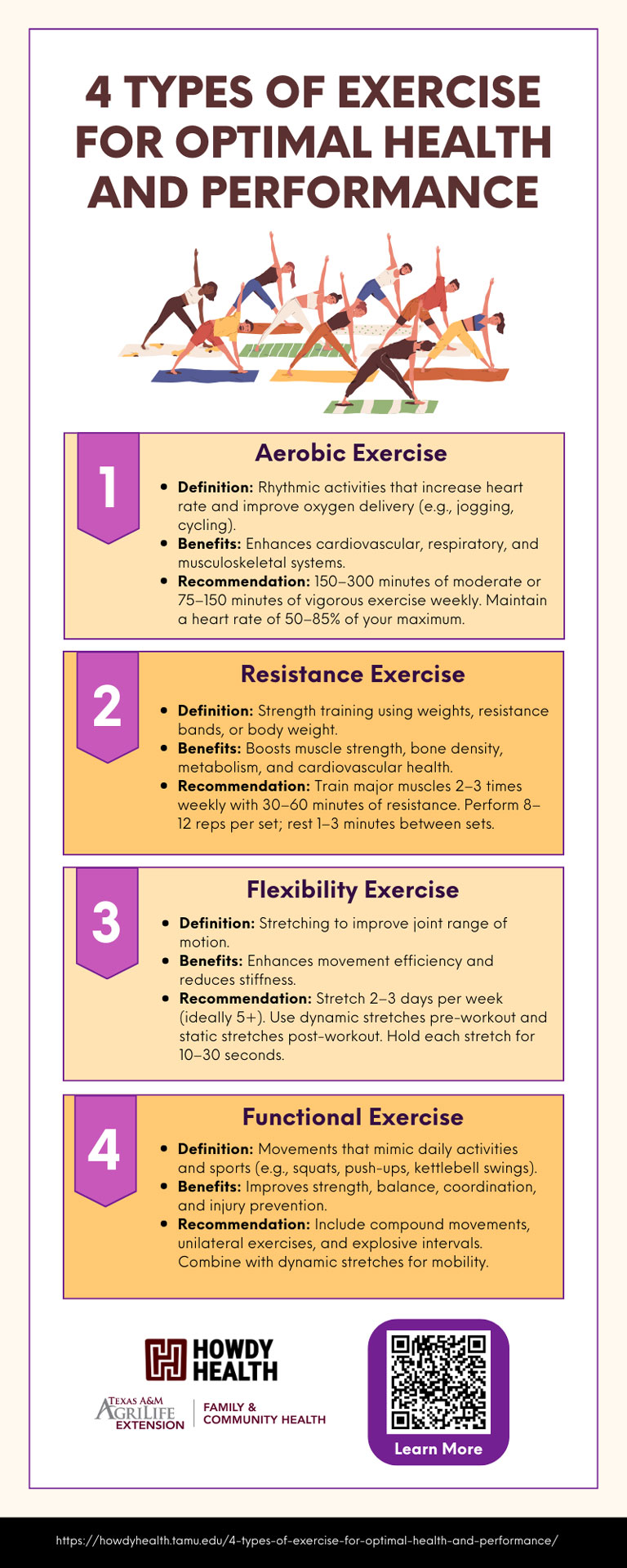
Building strong joints is key for sports training. Effective exercises help protect joints and improve performance. These exercises focus on strength, flexibility, and low impact movements. They work together to support joints and reduce injury risk. Try these routines regularly to feel the benefits in your training.
Strength Training Moves
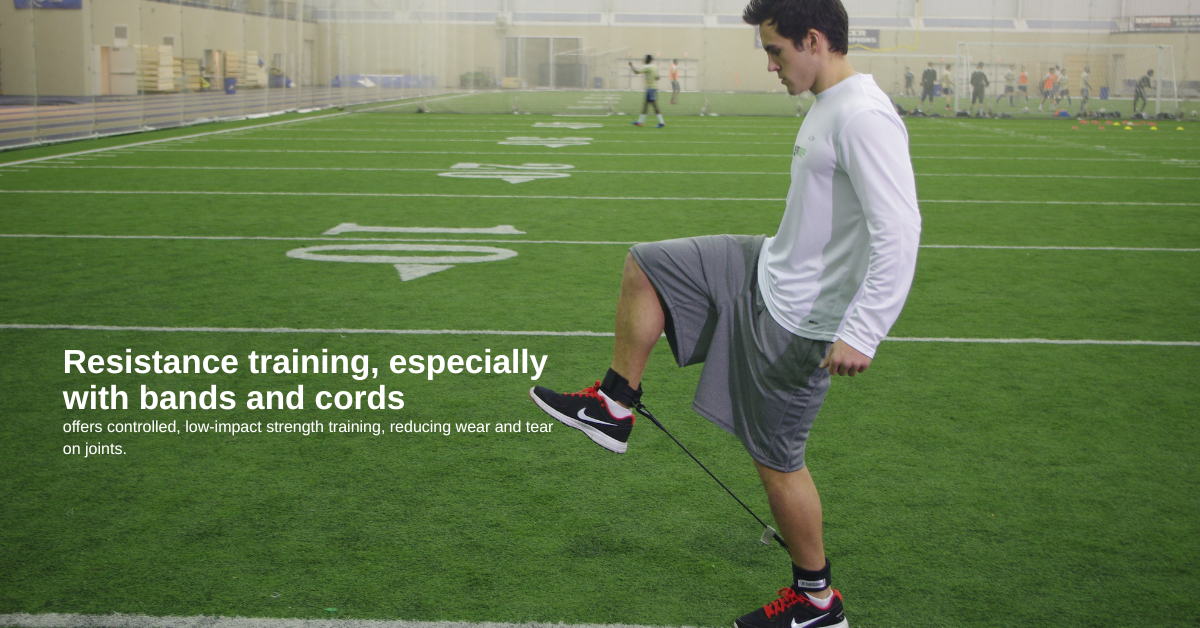
Strength training builds muscle around joints. Strong muscles take pressure off joints. Exercises like squats, lunges, and deadlifts are great choices. Use light weights at first to avoid strain. Focus on slow, controlled movements to keep joints safe. Resistance bands also help strengthen smaller stabilizing muscles.
Flexibility And Mobility Routines
Flexibility improves joint range of motion. Mobility exercises keep joints moving smoothly. Stretching after workouts helps reduce stiffness. Try yoga poses like downward dog and warrior for flexibility. Dynamic stretches before training prepare joints for action. Gentle joint circles and leg swings increase mobility.
Low-impact Cardio Options
Low-impact cardio protects joints while building endurance. Swimming and cycling are easy on knees and hips. Elliptical machines provide smooth, joint-friendly movements. Walking is a simple way to stay active without stress. These activities improve blood flow and help joints stay healthy.
Warm-up And Cool-down Techniques
Warming up and cooling down are key steps in sports training. They prepare your joints and muscles for activity. These techniques reduce injury risk. They also help your body recover faster. Simple routines before and after exercise keep joints strong.
Dynamic Warm-ups
Dynamic warm-ups use movement to increase blood flow. They loosen joints and muscles. Examples include leg swings, arm circles, and walking lunges. These exercises raise your heart rate. They prepare joints for the stress of training. Dynamic warm-ups improve flexibility and joint mobility.
Post-training Stretching
Stretching after exercise helps cool down muscles. It reduces stiffness and soreness. Focus on slow, gentle stretches targeting major joints. Hold each stretch for 20-30 seconds. Stretching improves joint flexibility. It helps maintain a full range of motion.
Foam Rolling Benefits
Foam rolling massages muscles and joints. It breaks up tight spots and knots. This technique boosts blood flow to tissues. Foam rolling speeds recovery and reduces pain. Use a foam roller on legs, back, and hips. Regular foam rolling supports joint health and mobility.
Credit: howdyhealth.tamu.edu
Recovery Strategies
Recovery is key to strengthening joints during sports training. It helps reduce injury risks and improve performance. Using proper recovery strategies allows joints to heal and get stronger. These methods support long-term joint health and training success.
Rest And Sleep
Rest gives joints time to repair after workouts. Avoid overusing sore joints. Sleep is vital for joint recovery. During sleep, the body produces healing hormones. Aim for 7 to 9 hours of sleep each night. Good rest helps reduce inflammation and joint pain.
Physical Therapy Options
Physical therapy strengthens muscles around joints. Therapists use exercises to improve joint stability. They also teach correct movement patterns. This reduces stress on joints during sports. Therapy can include massage, stretching, and balance training. Regular sessions speed up joint recovery and prevent injuries.
Using Ice And Heat
Ice reduces swelling and numbs joint pain. Apply ice for 15-20 minutes after training. Heat relaxes muscles and increases blood flow. Use heat before workouts to warm joints. Alternating ice and heat can ease stiffness. Both methods support joint recovery effectively.
Protective Gear And Support
Protective gear and support play a key role in keeping joints safe during sports training. They help reduce the risk of injury and provide extra stability. Proper use of these tools can make a big difference in joint health and performance.
Braces And Wraps
Braces and wraps offer firm support to weak or injured joints. They limit harmful movements and reduce stress on the joint. Athletes use them to protect knees, ankles, wrists, and elbows. Choose braces that fit well and allow natural movement. Wraps can also improve blood flow and reduce swelling.
Proper Footwear
Wearing the right shoes supports your joints from the ground up. Good footwear cushions impact and aligns the foot correctly. It helps prevent joint pain in knees, hips, and ankles. Replace worn-out shoes often. Select shoes made for your specific sport and foot type.
Taping Techniques
Taping adds extra joint support without limiting movement. Sports tape stabilizes muscles and ligaments during activity. It helps reduce strain and guards against sprains. Learn proper taping methods or ask a trainer for help. Tape should feel snug but not too tight.
Avoiding Common Mistakes
Strengthening joints for sports training requires care. Avoiding common mistakes protects your joints from damage. Small errors can lead to pain or injury. Focus on safe habits for long-term joint health.
Overtraining Risks
Training too hard without rest harms joints. Muscles get tired, and joints take more pressure. Overtraining causes inflammation and slow healing. Rest days help joints recover and grow stronger. Balance exercise with rest to stay safe.
Ignoring Pain Signals
Pain is the body’s warning sign. Ignoring joint pain can cause serious injury. Stop training if you feel sharp or lasting pain. Seek advice from a coach or doctor. Early care prevents long-term joint problems.
Poor Technique Effects
Using wrong form stresses joints unevenly. Poor technique leads to joint wear and tear. Learn correct movements from experts or videos. Practice slowly to build good habits. Proper form protects joints and improves performance.
Tracking Progress And Adjustments
Tracking progress and making adjustments are key to strengthening joints for sports training. It helps you stay on course and avoid injury. Regular checks show what works and what needs change. This keeps your training safe and effective.
Setting Realistic Goals
Set clear and achievable goals for your joint health. Start with small steps like improving flexibility or reducing pain. Track these goals weekly to see steady progress. Realistic goals keep motivation high and prevent frustration.
Monitoring Joint Health
Pay close attention to how your joints feel during and after exercise. Note any pain, swelling, or stiffness. Use a journal or app to record these details. Monitoring helps catch problems early and adjust your routine accordingly.
When To Consult Professionals
Seek advice from a doctor or physical therapist if joint pain persists. Persistent pain may signal an injury or overuse. Professionals can provide personalized exercises and treatment plans. Early consultation prevents serious joint damage and aids recovery.
Credit: athletesacceleration.com
Frequently Asked Questions
How Can I Strengthen Joints For Sports Training?
Strengthen joints by doing regular low-impact exercises, stretching, and resistance training. Include omega-3 rich foods to reduce inflammation and support joint health.
What Are The Best Exercises For Joint Strength?
Focus on swimming, cycling, and weight training with proper form. These exercises improve joint stability without causing excessive strain or injury.
Which Foods Promote Joint Health During Training?
Eat foods rich in omega-3 fatty acids, antioxidants, and collagen. Examples include fish, nuts, leafy greens, and bone broth to support joint repair.
How Does Hydration Affect Joint Strength?
Staying hydrated keeps joint cartilage lubricated and reduces friction. Drink plenty of water daily to maintain joint flexibility and prevent stiffness.
Conclusion
Strong joints help you train harder and avoid injuries. Regular exercise, good nutrition, and rest keep joints healthy. Stretching and warming up prepare your body for activity. Avoid sudden movements that can strain your joints. Consistency matters more than intensity.
Small daily steps improve joint strength over time. Protect your joints to enjoy sports longer and feel better. Stay patient and listen to your body’s signals. Healthy joints support your goals and overall fitness. Keep caring for them to stay active and strong.

Brandon Knoxley is a sport & fitness writer and training guide contributor at MySportFitHub. He focuses on practical workouts, performance-based training, and honest fitness gear insights designed for real people and real results. Brandon is passionate about helping beginners and active individuals train smarter, avoid common mistakes, and build sustainable fitness habits.