How to Train Coordination for Sports Beginners: Essential Tips to Excel
Are you ready to take your sports skills to the next level? Coordination is the secret weapon that can make a huge difference in how you perform.
Whether you’re just starting out or want to improve your game, training your coordination will help you move faster, react quicker, and play smarter. In this guide, you’ll discover simple and effective ways to boost your coordination step by step.
Keep reading, and you’ll soon see how small changes can lead to big improvements in your sports performance.
Importance Of Coordination In Sports
Coordination is a key skill in sports. It helps athletes move smoothly and control their bodies well. Good coordination improves balance, timing, and accuracy. Beginners who build coordination will find sports easier and more fun. It also lowers the risk of injury by helping the body react better to different situations.
Role Of Coordination In Athletic Performance
Coordination allows athletes to perform complex movements. It links the brain and muscles to work together quickly. This skill helps in running, jumping, and handling equipment like balls or bats. Better coordination leads to faster reactions and precise actions. It also improves endurance by making movements more efficient.
Common Coordination Challenges For Beginners
Beginners often struggle with timing and balance. They may find it hard to control their limbs during fast movements. Confusing signals from the brain can cause clumsiness or slow reactions. Lack of practice and weak muscle control also affect coordination. Understanding these challenges helps beginners focus on key exercises to improve.
Credit: magazine.clipmyhorse.tv
Basic Coordination Skills To Develop
Basic coordination skills form the foundation of all sports activities. These skills help beginners control their body movements smoothly. Improving coordination makes sports easier and more fun. Practicing simple exercises can build these essential skills. Focus on hand-eye coordination, foot-eye coordination, and balance for better performance.
Hand-eye Coordination
Hand-eye coordination is the ability to use your hands and eyes together. It helps in catching, throwing, or hitting balls. Beginners can practice by tossing a ball against a wall. Catch it with one hand or both hands. Try bouncing a ball and catching it to improve timing. This skill sharpens your reaction and control.
Foot-eye Coordination
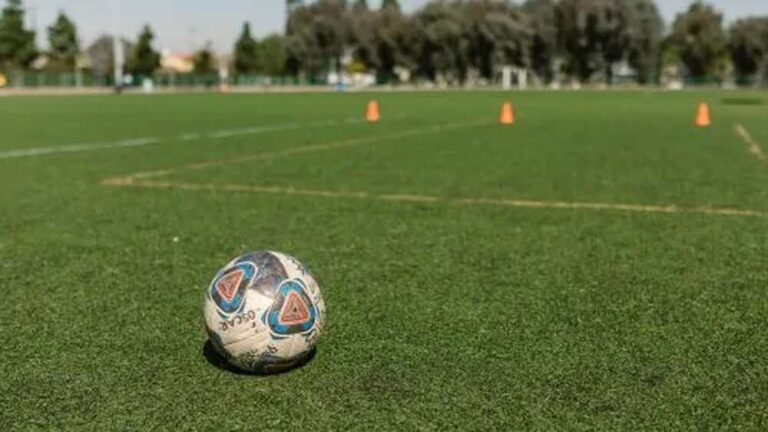
Foot-eye coordination means controlling foot movements using visual cues. It is important in sports like soccer or basketball. Start by kicking a stationary ball towards a target. Try dribbling a ball slowly while walking. Practice stepping over cones or small objects. These exercises improve your accuracy and foot control.
Balance And Stability
Balance keeps your body steady during movements. Stability helps prevent falls and injuries. Beginners can stand on one leg for 20 seconds to improve balance. Use a balance board or soft surface to challenge yourself. Simple yoga poses also enhance stability. Better balance supports all sports skills and builds confidence.
Simple Exercises For Coordination
Simple exercises help build coordination step by step. Beginners can improve their skills with easy drills. These exercises target hand-eye coordination, footwork, and balance. Practicing regularly helps develop better control and confidence in sports.
Drills For Hand-eye Coordination
Start with a basic ball toss. Throw a ball against a wall and catch it. Use one hand at first, then both hands. Try to catch with quick reactions. Another drill is juggling with two balls. This improves focus and timing. These drills sharpen your ability to track and catch objects.
Footwork Drills To Improve Timing
Use a ladder or draw lines on the ground. Step quickly in and out of each square. Keep your feet light and fast. Practice side steps and forward-backward movements. This helps your feet move in sync with your body. It trains your timing and speed for sports actions.
Balance Exercises For Stability
Stand on one leg for 30 seconds. Switch legs and repeat. Try closing your eyes to increase difficulty. Use a balance board or cushion for more challenge. These exercises strengthen your core and lower body. Good balance helps prevent falls and improves overall control.

Credit: linearcollider.org
Incorporating Coordination Into Training
Incorporating coordination into sports training helps beginners move better and react faster. Coordination improves balance, timing, and control. This makes all physical activities easier and safer. Training coordination alongside other skills creates a strong foundation for sports success.
Combining Coordination With Strength Training
Strength training builds muscle power and supports body control. Adding coordination exercises during strength workouts improves movement accuracy. Simple moves like balancing on one leg while lifting weights help. This trains muscles and the brain to work together. It makes athletes more stable and confident in their actions.
Using Agility Drills For Better Coordination
Agility drills focus on quick, controlled movements in different directions. These drills train the body to change speed and position fast. Ladder drills, cone drills, and shuttle runs improve footwork and hand-eye coordination. Practicing these drills sharpens reflexes and body awareness. Beginners gain better control over their movements through regular agility practice.
Common Mistakes To Avoid
Training coordination is key for sports beginners. Avoiding common mistakes helps improve faster. Some errors can slow progress or cause injury. Learning what to avoid keeps training safe and effective.
Overtraining Coordination Skills
Practicing too much causes fatigue and reduces focus. The brain and muscles need rest to improve coordination. Overtraining can lead to poor form and injury. Short, regular sessions work better than long, tiring ones. Rest days help the body recover and adapt. Balance practice with recovery for steady progress.
Ignoring Proper Technique
Skipping correct technique leads to bad habits. Poor form limits coordination gains and causes frustration. Beginners should focus on slow, controlled movements first. Using mirrors or a coach helps check technique. Good habits build a strong foundation for future skills. Proper technique reduces the risk of injury too.
Tracking Progress And Staying Motivated
Tracking progress and staying motivated are key parts of training coordination. Without clear tracking, it is easy to lose focus. Motivation helps keep practice regular and steady. Both together create a path for real improvement.
Tracking progress shows small wins. This builds confidence and keeps energy high. Motivation drives the effort needed to reach goals. It makes training more rewarding and less like a chore.
Setting Realistic Coordination Goals
Start with simple and clear goals. Goals should match your current skill level. Set targets that challenge but do not overwhelm. For example, improve hand-eye coordination by catching a ball five times in a row.
Break big goals into small steps. Celebrate each step to stay motivated. Realistic goals prevent frustration and keep training fun. Adjust goals as skills get better.
Using Feedback And Self-assessment
Feedback helps understand what works and what needs change. Use a coach, friend, or video to get feedback. Watch your movements to spot errors and progress.
Self-assessment builds awareness of strengths and weaknesses. Keep a training journal to track daily results. Note what improves and what feels hard. This helps focus on specific areas during practice.
Credit: glowblacksburg.com
Frequently Asked Questions
What Are The Best Exercises To Improve Sports Coordination?
Balance drills, agility ladders, and hand-eye coordination exercises boost sports coordination effectively. Start slow and increase difficulty progressively.
How Often Should Beginners Train Coordination For Sports?
Beginners should train coordination 3-4 times weekly. Consistency helps develop neural pathways and improves overall motor skills efficiently.
Can Coordination Training Prevent Sports Injuries?
Yes, coordination training enhances body control and balance. This reduces the risk of falls and common sports-related injuries.
How Long Does It Take To Improve Coordination In Sports?
Improvement varies but noticeable progress appears within 4-6 weeks. Regular practice and focus on technique speed up results.
Conclusion
Training coordination helps improve sports skills step by step. Practice simple drills every day to build control and balance. Stay patient and keep practicing to see steady progress. Small efforts add up to big improvements over time. Enjoy the process and celebrate each new skill learned.
Coordination makes sports easier and more fun to play. Keep your focus, stay active, and watch your body respond. This journey helps you become a better athlete and feel confident.

Brandon Knoxley is a sport & fitness writer and training guide contributor at MySportFitHub. He focuses on practical workouts, performance-based training, and honest fitness gear insights designed for real people and real results. Brandon is passionate about helping beginners and active individuals train smarter, avoid common mistakes, and build sustainable fitness habits.