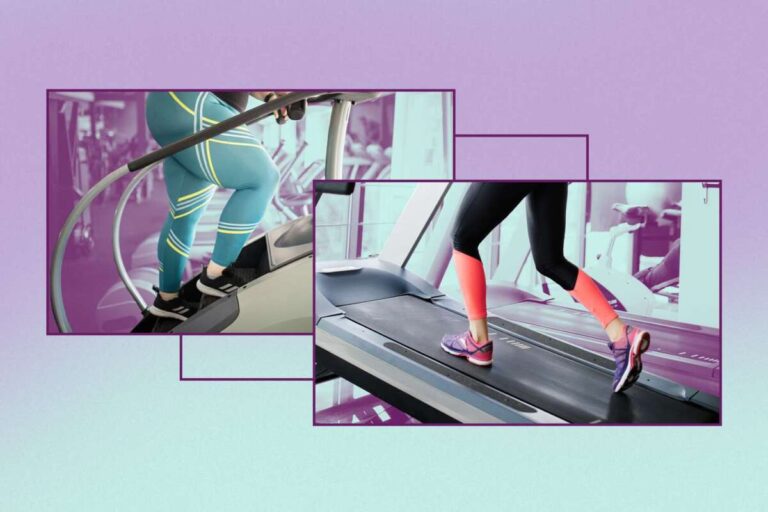
What Does 12 Incline On Treadmill Look Like: A Quick Guide
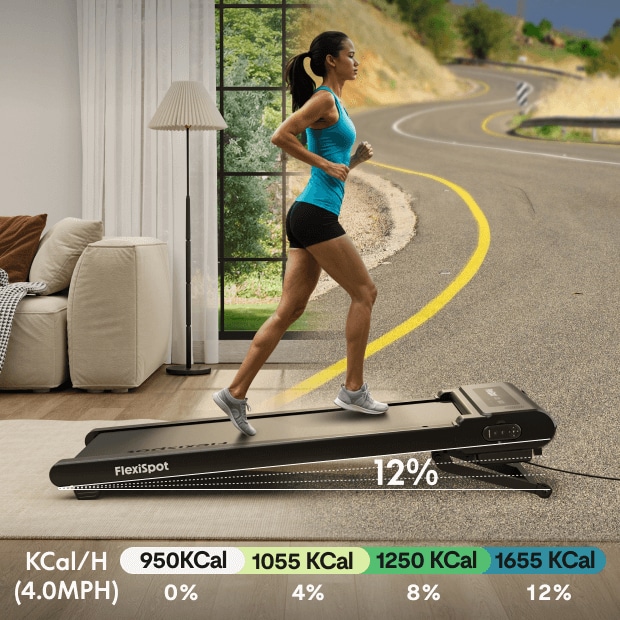
A 12 incline on a treadmill looks like a steep uphill slope, similar to walking up a long parking ramp.
If you have never used this setting, what does 12 incline on treadmill look like can be hard to picture. It means the belt rises 12 feet for every 100 feet traveled, creating a clear uphill angle rather than a flat walking surface. This guide explains the exact slope, how it feels, how it compares with outdoor hills, and how to use it safely.
What Does 12 Incline on Treadmill Look Like?
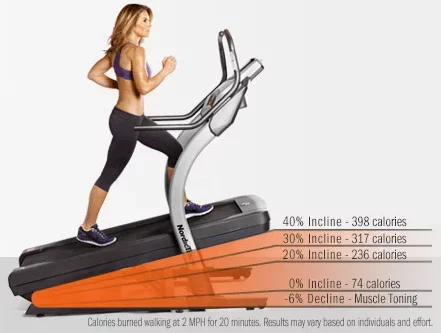
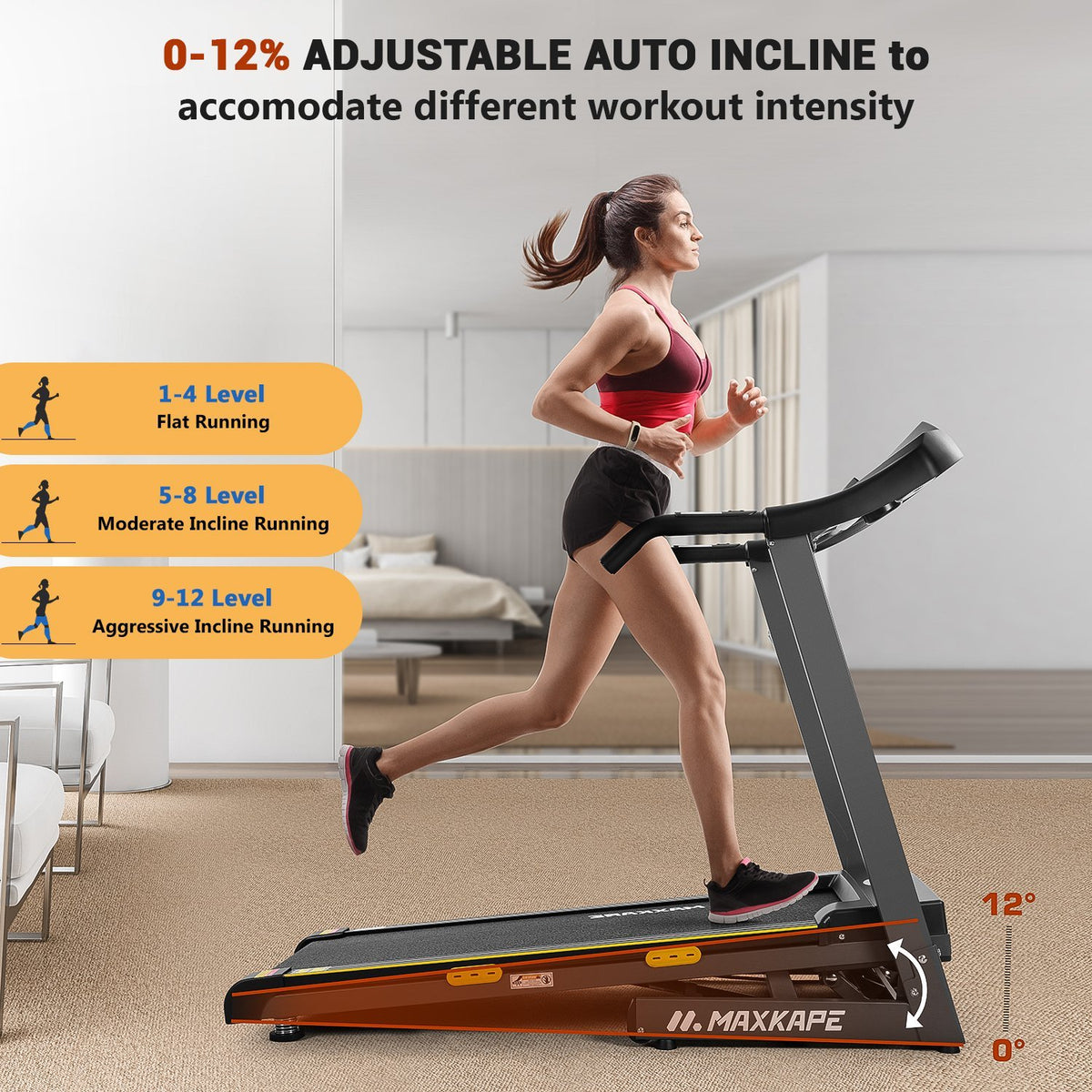
A 12 incline setting means the treadmill is raised to a 12% grade. For every 100 horizontal feet, the walking surface rises about 12 feet. The belt may look like a long ramp that lifts toward the front of the machine.
The slope is noticeable from the side. It is not a vertical climb, but it is much steeper than a small incline used for light walking. In simple terms, what does 12 incline on treadmill look like is similar to walking up a steep driveway, parking garage ramp, or gentle hiking trail.
A 12% grade equals an angle of about 6.8 degrees. That number may sound small, but the body feels the slope because your legs must push upward with every step.
The exact appearance can vary by treadmill model. Some treadmills have a long deck, so the incline looks smooth and gradual. Others have a shorter deck, which can make the same 12% grade appear sharper.
How Steep Is a 12 Incline?
A 12 incline is steep for walking and moderate to very challenging for running. It is not the same as a 12-degree incline. The treadmill number usually refers to the percent grade.
Here is a simple comparison:
| Treadmill setting | Approximate feel |
|---|---|
| 0% | Flat ground |
| 1% to 3% | Mild outdoor-style incline |
| 4% to 6% | Noticeable hill |
| 7% to 9% | Steep hill |
| 10% to 12% | Very steep walking incline |
| 13% or higher | Intense hill or climbing effort |
To understand what does 12 incline on treadmill look like, imagine a ramp that climbs 12 feet across 100 feet of forward distance. The ramp is long enough to walk on comfortably, but steep enough to make your heart rate rise quickly.
A 12% grade also changes your posture. You may lean slightly forward from the ankles, shorten your stride, and use more force from your calves, hamstrings, and glutes.
What Does 12 Incline on Treadmill Feel Like?
At a slow pace, 12 incline can feel like a demanding uphill walk. At a faster pace, it may feel like a hill workout that quickly challenges your breathing and leg muscles.
Your experience depends on several factors:
• Speed: A 2 mph walk is easier than a 4 mph walk at the same incline.
• Fitness level: A trained hiker may find 12% manageable, while a new walker may find it intense.
• Treadmill design: Motor strength, belt length, and incline accuracy can affect the experience.
• Body weight: Moving more body mass uphill requires more energy.
• Holding the rails: Rail support reduces the true workload and changes your posture.
During a 12 incline walk, you may notice:
• Faster breathing
• A higher heart rate
• Stronger effort in the glutes and calves
• More pressure on the feet and ankles
• Shorter, more controlled steps
In my experience with incline walking, the biggest mistake is starting too fast. A pace that feels easy at 0% can become very hard at 12%. It is wiser to reduce the speed first, then build up as your body adapts.
What Speed Should You Use at a 12 Incline?
There is no single best speed for a 12 incline. The right speed lets you keep good form without gripping the rails or losing control.
Many beginners start between 1.5 and 2.5 mph. Regular walkers may use 2.5 to 3.5 mph. Speeds above 4 mph can become very demanding and may lead to a power walk or run.
Use this guide as a starting point:
• Beginner: 1.5 to 2.2 mph for 5 to 10 minutes
• Intermediate: 2.2 to 3.2 mph for 10 to 20 minutes
• Advanced: 3.2 to 4.0 mph for short intervals
These are general examples, not strict rules. Your breathing, balance, joint comfort, and heart rate matter more than a target speed.
A useful test is the talk test. If you can speak in short sentences, the effort may be moderate to vigorous. If you can only say a few words, slow down or lower the incline.
How Many Calories Does a 12 Incline Burn?
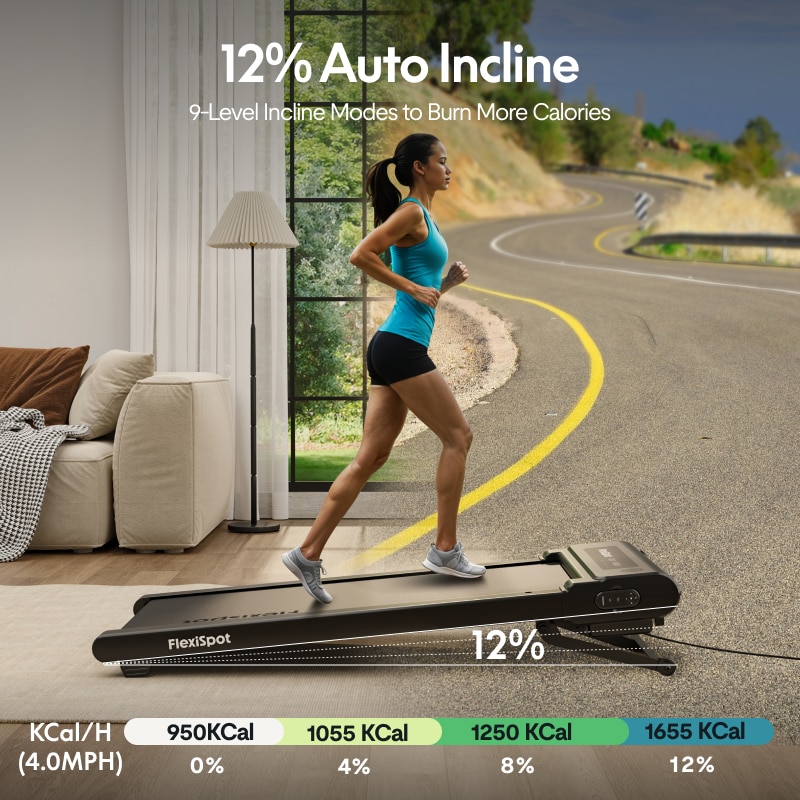
Walking uphill usually burns more energy than walking on a flat treadmill at the same speed. The increase comes from lifting your body upward with each step.
A standard exercise physiology equation estimates the oxygen cost of walking by using speed and grade. For example, a 154-pound person walking at 3 mph may burn roughly 200 to 250 calories in 30 minutes at a 12% grade. The real number may be higher or lower.
Calorie estimates depend on:
• Body weight
• Walking speed
• Workout duration
• Incline accuracy
• Fitness level
• Whether you hold the handrails
Treadmill calorie displays are useful for comparison, but they are not exact measurements. They may overestimate energy use if you enter the wrong body weight or lean heavily on the rails.
The main benefit of a 12 incline is not the calorie number. It is the strong cardiovascular and muscular challenge created in a short amount of time.
What Muscles Does a 12 Incline Work?
A steep incline places more demand on the muscles that extend your hips, knees, and ankles. The glutes and calves often feel the greatest change compared with flat walking.
A 12 incline mainly works:
• Gluteus maximus: Helps drive the body upward.
• Hamstrings: Assist hip extension and control each step.
• Quadriceps: Straighten the knee and support the body.
• Calves: Push the belt away during each stride.
• Hip flexors: Lift the legs for the next step.
• Core muscles: Help keep the trunk stable.
Incline walking does not isolate one muscle. It is a full lower-body movement supported by the heart, lungs, and core.
If you feel sharp pain in the knees, hips, Achilles tendon, or lower back, stop the session. Muscle fatigue is common, but sharp or worsening pain should not be ignored.
What Does 12 Incline on Treadmill Compare With Outdoors?
A 12% treadmill grade is similar to a steep outdoor hill, but it does not perfectly copy outdoor walking. Outdoor terrain changes from step to step. A treadmill provides a steady speed and a smooth belt.
Outdoors, you may face:
• Uneven ground
• Wind resistance
• Curves and changes in grade
• Loose gravel or wet surfaces
• Natural breaks in the slope
A treadmill at 12 incline gives you more control. You can set the exact grade, monitor your speed, and stop quickly if needed.
What does 12 incline on treadmill look like compared with a hiking trail? It is close to a sustained steep trail section, but the treadmill removes many balance demands. You also do not need to push against wind or adjust to rocks and roots.
For some people, the treadmill feels harder because the incline never ends. Outside, even a steep route may include small flat areas that offer brief recovery.
Benefits of Walking at a 12 Incline
A 12 incline can provide a strong workout in a short period. It is useful when you want to raise your heart rate without running.
Potential benefits include:
Strong cardiovascular training
Incline walking can raise your heart rate quickly. This helps improve aerobic fitness when used consistently and at an appropriate effort.
More lower-body work
The steep grade increases the demand on the glutes, calves, hamstrings, and quadriceps. It can make a short walk feel much more challenging.
Lower impact than running
Walking keeps one foot on the belt at all times. For many people, this creates less impact than jogging, although a steep incline can still stress the feet, ankles, and calves.
Efficient workouts
A 15-minute incline session can feel substantial. This can help people who have limited time but want a vigorous workout.
Better hill confidence
Regular incline training can make outdoor hills feel less intimidating. It may also help hikers prepare for climbs.
These benefits depend on proper form, gradual progression, and recovery. More incline is not always better.
How to Use a 12 Incline Safely
Start with a warm-up at 0% to 3% incline for five to ten minutes. This gives your ankles, calves, knees, and hips time to prepare.
Then raise the incline slowly. You can use 12% for a short interval instead of holding it for the entire workout.
Try this beginner workout:
-
Warm up for 5 minutes at 0% to 2% and 2.0 to 2.5 mph.
-
Walk for 1 minute at 6% incline.
-
Walk for 1 minute at 12% incline.
-
Repeat the two-minute block 4 to 6 times.
-
Cool down for 5 minutes at 0% to 2%.
Do not pull yourself up with the handrails. Light contact for balance is fine, but supporting your body weight reduces the exercise demand and may place your body in an awkward position.
Keep your eyes forward. Avoid bending sharply at the waist. Let your arms swing naturally, and take shorter steps if the hill feels too steep.
People with heart disease, uncontrolled blood pressure, balance problems, diabetes, or joint injuries should ask a qualified health professional before starting intense incline exercise.

Common Mistakes on a 12 Incline
A steep treadmill setting can expose poor habits quickly. Fixing these mistakes will make your workout safer and more effective.
Starting at your usual flat-ground speed
Your normal walking speed may be too fast at 12%. Begin slowly and increase the pace only when your breathing and form are controlled.
Holding the front bar
Leaning on the bar changes your body angle and lowers the true workload. It may also increase strain on your wrists and shoulders.
Taking long steps
Long strides can pull your body out of balance. Short, steady steps usually work better on a steep grade.
Ignoring calf tightness
A 12 incline increases ankle movement and calf demand. Tight calves can raise the risk of discomfort, especially when you suddenly increase volume.
Chasing the calorie display
The calorie number is an estimate. Focus on effort, form, consistency, and recovery rather than treating the display as a precise measurement.
Using 12% every day
Your muscles and connective tissues need time to recover. Mix incline sessions with flat walking, strength training, easy cardio, or rest days.
A Practical 12 Incline Treadmill Workout
Once you can walk comfortably at this grade, try a structured interval session.
Moderate hill workout
• Warm up: 5 minutes at 0% to 3%
• Interval 1: 2 minutes at 8%
• Interval 2: 2 minutes at 10%
• Interval 3: 2 minutes at 12%
• Recovery: 2 minutes at 3%
• Repeat the sequence 2 to 4 times
• Cool down: 5 minutes at 0% to 2%
Keep the speed steady and adjust the grade if needed. The goal is controlled effort, not exhaustion.
For a simple endurance session, walk at 12% for 5 minutes, lower the incline to 3% for 3 minutes, and repeat. This approach gives your heart and legs a break without stopping completely.
If you are new to treadmill incline training, one or two sessions per week is enough to start. Add time before adding more speed.
How to Progress Safely
Progress one factor at a time. You can add a few minutes, increase speed slightly, or use more incline, but changing everything at once makes fatigue harder to manage.
A simple progression may look like this:
• Week 1: 5 minutes total at 8% to 10%
• Week 2: 8 minutes total at 10%
• Week 3: 10 minutes total at 10% to 12%
• Week 4: 12 to 15 minutes total at 12%
This plan is only an example. Some people need more time at each level, especially if they have not exercised recently.
Track how you feel during and after each workout. If soreness lasts more than two days, reduce the next session. A steady routine will produce better results than occasional workouts that leave you overly tired.
Frequently Asked Questions About What Does 12 Incline on Treadmill Look Like
Is a 12 incline the same as a 12-degree angle?
No. A 12 incline usually means a 12% grade, which equals an angle of about 6.8 degrees. A true 12-degree angle would be steeper.
Is 12 incline on a treadmill good for weight loss?
It can support weight loss by increasing energy use and workout intensity. Weight loss still depends on overall calorie balance, food choices, sleep, and consistent activity.
Can beginners use a 12 incline?
Beginners can use it for short intervals at a slow speed. Start with a lower incline first, use good form, and reduce the setting if you need to hold the rails.
How long should you walk at a 12 incline?
Many people can begin with 1 to 5 minutes at a time. More experienced walkers may use 10 to 20 minutes, but the right duration depends on fitness, speed, and comfort.
Does a 12 incline build glutes?
It can increase glute involvement compared with flat walking. However, it does not replace strength exercises such as squats, step-ups, lunges, and hip thrusts.
Is walking at 12 incline better than running flat?
Neither is always better. Incline walking can provide a hard workout with less impact than running, while flat running may improve speed and running fitness more directly.
Should you hold the rails at a 12 incline?
Try not to support your body weight with the rails. Use light fingertip contact only when needed for balance, and lower the speed or incline if you cannot walk safely without pulling.
Conclusion
A 12 incline on a treadmill represents a 12% grade, or a rise of 12 feet for every 100 feet of forward travel. It looks like a steep ramp and feels like a sustained uphill climb that challenges your breathing, glutes, calves, and thighs.
Start at a slow speed, use short steps, avoid leaning on the rails, and build your workout over time. Now that you know what does 12 incline on treadmill look like, try a controlled interval session and adjust it to your fitness level. Share your experience or explore more treadmill training guides to keep improving.

Brandon Knoxley is a sport & fitness writer and training guide contributor at MySportFitHub. He focuses on practical workouts, performance-based training, and honest fitness gear insights designed for real people and real results. Brandon is passionate about helping beginners and active individuals train smarter, avoid common mistakes, and build sustainable fitness habits.