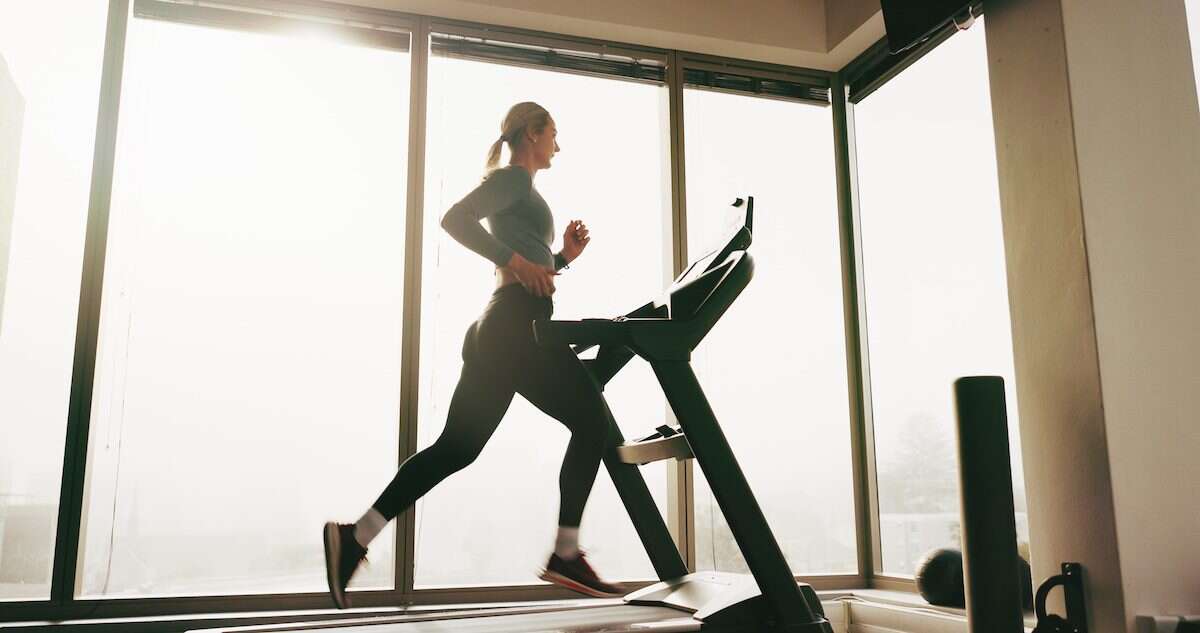
Is Running On A Treadmill Easier: Real Truth & Tips
Yes — running on a treadmill often feels easier, but the full answer depends on many factors.
I’ve coached runners and logged thousands of treadmill miles, so I know the nuance behind the question is running on a treadmill easier. This article breaks down biomechanics, perceived effort, training value, and practical tips. Read on for evidence-backed guidance, real-world experience, and clear steps to get the results you want whether you run inside or outside.
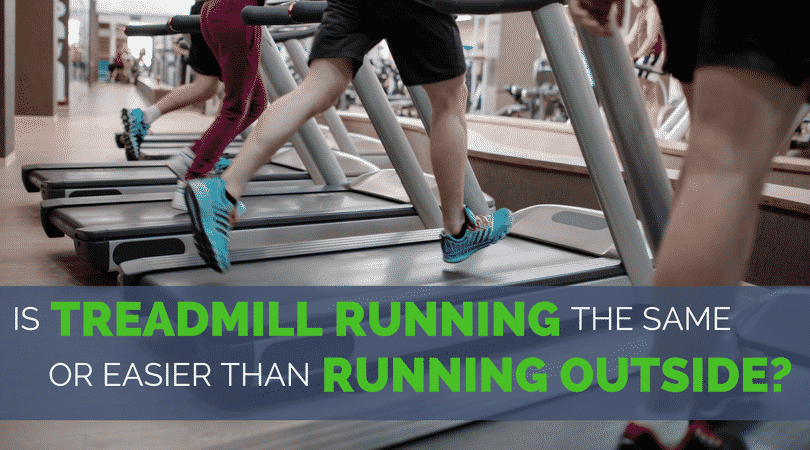
How to read the question: is running on a treadmill easier?
People ask is running on a treadmill easier because pace and effort don’t always match outdoor runs. The short reason is simple: treadmills remove wind, smooth out terrain, and use a moving belt that slightly helps leg turnover. That often lowers the perceived effort at the same speed, but it does not mean treadmill runs are always "better" or less effective.

Biomechanics and the science behind whether treadmill running is easier
Treadmill running changes mechanics in small but important ways. The belt moves under your feet, which can slightly reduce the push-off work required. There is no air resistance and no need to handle turns, slopes, or variable footing. Research and lab data show energy cost can be lower on a treadmill at the same speed, which is one key reason people ask is running on a treadmill easier.
Perceived effort, environment, and psychology
How hard a run feels depends on the body and the mind. Indoors you control temperature, pacing, and distractions. Many runners report lower RPE (rate of perceived exertion) for treadmill runs at equal pace. That mental ease can make treadmill workouts feel easier even when heart rate or power is similar. I’ve found that steady treadmill miles often feel more relaxed than the same route outdoors.
Benefits of treadmill running
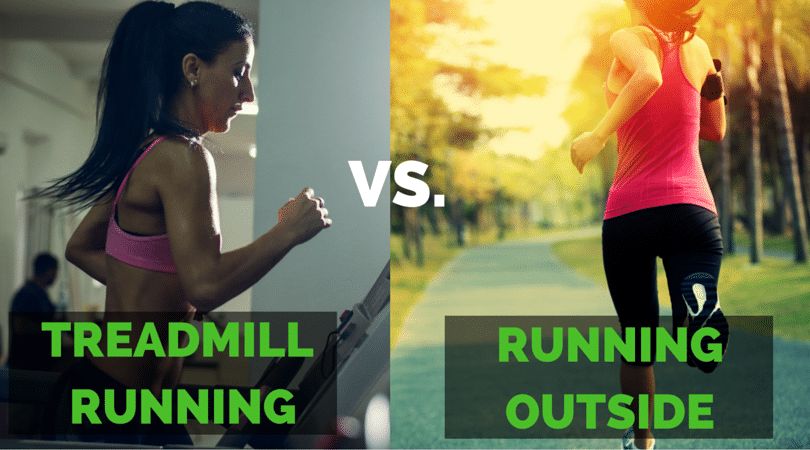
Treadmills offer clear advantages for many runners.
- Safety and convenience make consistent training easier.
- Controlled pace means precise intervals and tempo workouts.
- Easy incline adjustments help mimic hills and progress fitness.
- Low-impact features on some machines reduce joint stress.
These benefits explain why some people choose treadmill training when they want predictable, focused sessions rather than wondering if running on a treadmill is easier in a bad way.

Source: runnersworld.com
Limitations and downsides: when treadmill running can be a disadvantage
Treadmills are not a perfect substitute for outdoor runs.
- Lack of wind resistance can undertrain muscles used to stabilizing against wind.
- Constant surface and belt motion change foot strike and muscle activation.
- Mental adaptation to outdoor cues like turns, descents, and pacing by landmarks is missed.
- Over-reliance on treadmill pace can mislead race-day expectations. These limits are why asking is running on a treadmill easier should lead you to adjust workouts and expectations.

Source: run4prs.co
How to make treadmill running match outdoor effort (or make it easier)
You can tune treadmill sessions to be harder or easier on purpose.
- Add a 1% to 2% incline to better simulate outdoor pace and wind resistance.
- Use intervals: higher speed for 30–90 seconds to recruit fast-twitch muscles.
- Include steady-state runs at perceived effort rather than strict speed.
- Use a slight decrease in belt speed for recovery intervals to lower effort safely.
If you want the treadmill to feel easier, lower pace or cut incline and focus on easy breathing. When calibrating, remember why many ask is running on a treadmill easier — small changes change the answer.

Source: runningmagazine.ca
Practical treadmill workouts and examples
These sample workouts show how to control difficulty and training effect.
- Easy aerobic run (feel-good day)
- 20–40 minutes at conversational pace, 0%–1% incline.
- Tempo builder (close to race pace)
- 10 minutes easy, 20 minutes tempo at hard but sustainable effort, 1% incline.
- Hill simulation (strength and power)
- 8 x 2 minutes at 4%–6% incline with 2 minutes easy between reps.
- Speed intervals (turnover and speed)
- 6 x 400 meters at faster pace with 90 seconds jog recovery.
Use perceived effort and heart rate as guides. These workouts let you decide if running on a treadmill is easier or as challenging as you need.
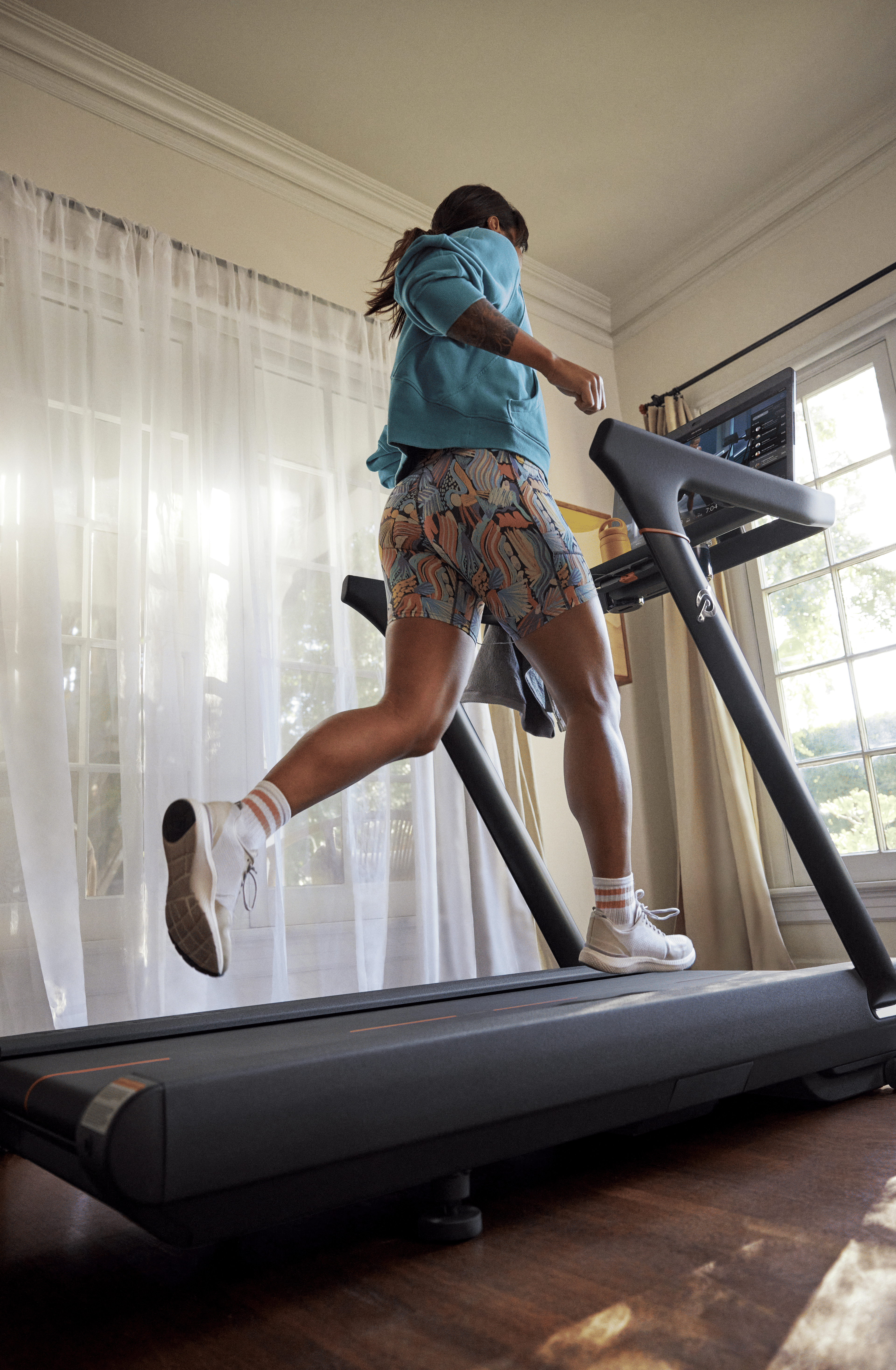
Personal experience: lessons from coaching and training
I’ve run marathons and coached runners who switched to treadmills for months. In my experience, treadmill runs do feel easier at the same speed. I learned to use incline and varied intervals to avoid a false sense of fitness. One athlete ran similar paces indoors and then added 1.5% incline before racing outdoors. She had a better transition and avoided surprise fatigue. My tip: test outdoor pace occasionally to calibrate your treadmill settings.
When to choose treadmill versus outdoor running
Decide based on goals, safety, and conditions.
- Choose treadmill when weather, safety, or a precise workout matters.
- Choose outdoor runs for race preparation, terrain practice, and varied stimulus.
- Use a mix for balanced fitness: treadmill for structure and outdoor for adaptability. Asking is running on a treadmill easier helps you pick the right mix for training and results.
Small adjustments to fix common treadmill issues
Short fixes let you tailor effort quickly.
- Feeling too easy: add 1%–3% incline or increase pace by 0.2–0.4 mph.
- Feeling too hard: drop speed by 0.1–0.3 mph or keep a 0% incline.
- Boredom: try playlist intervals or progressive tempo runs.
These simple steps keep treadmill training effective and honest.
Frequently Asked Questions of is running on a treadmill easier
Is running on a treadmill easier than running outside?
Treadmill running often feels easier at the same pace because of belt assistance and no wind resistance. You can match outdoor effort by adding incline and using perceived exertion as a guide.
How much incline should I use to match outdoor running?
A 1% to 2% incline often approximates outdoor energy cost at steady pace. Hills or wind may require slightly more incline to reflect the same effort.
Will treadmill running improve my race performance?
Yes, treadmill training builds fitness and speed if workouts are structured and outdoor practice is included. Add tempo runs, intervals, and at least some outdoor sessions for race-specific adaptation.
Can treadmill running reduce injury risk?
Treadmills with good shock absorption can lower impact forces for some runners. However, overuse and poor form on any surface can still cause injury, so vary training and listen to pain signals.
How do I avoid treadmill boredom?
Use short intervals, progressive tempos, incline blocks, or guided treadmill sessions. Changing workouts keeps focus and makes treadmill training productive.
Is heart rate a better guide than pace on a treadmill?
Heart rate is a useful internal guide because treadmill pace can feel different than outdoor pace. Use heart rate along with perceived effort for best results.
Should beginners start on treadmill or outside?
Beginners can start on a treadmill for safety, pace control, and convenience. Gradually add outdoor runs to build balance, terrain handling, and mental skills.
Conclusion
Treadmill running often feels easier at the same speed, but that doesn’t mean it’s inferior. The difference comes from mechanics, environment, and perception. Use incline, structured workouts, and occasional outdoor runs to get honest training. Try one change this week: add 1% incline to your steady runs or swap one treadmill session for an outdoor loop. If this article helped, leave a comment, share your treadmill tips, or subscribe for more practical running guidance.

Brandon Knoxley is a sport & fitness writer and training guide contributor at MySportFitHub. He focuses on practical workouts, performance-based training, and honest fitness gear insights designed for real people and real results. Brandon is passionate about helping beginners and active individuals train smarter, avoid common mistakes, and build sustainable fitness habits.