How To Walk Backwards On Treadmill: Safe Beginner Guide
Start slowly, hold the rails only for balance, keep your eyes forward, and stop if you feel unsteady.
Learning how to walk backwards on treadmill can improve balance, coordination, and lower-body control when done with care. This guide explains the safest setup, correct form, beginner steps, useful progressions, common mistakes, and situations where you should ask a health professional first.
What Does Walking Backward on a Treadmill Mean?
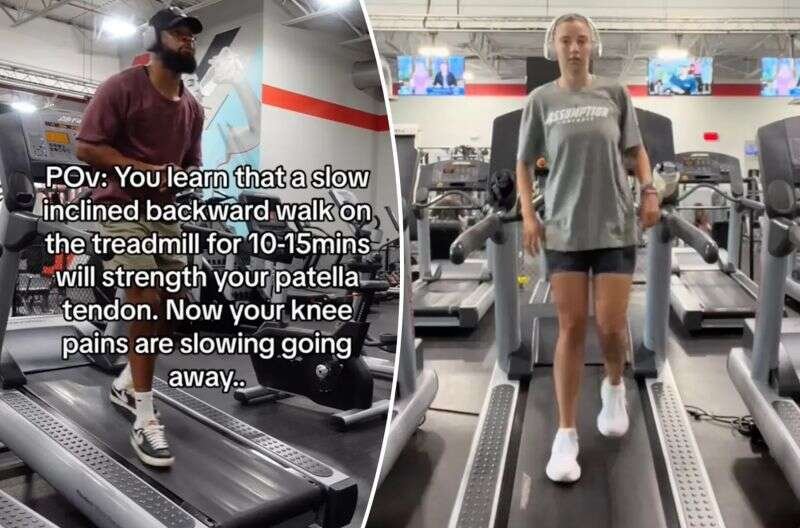
Walking backward on a treadmill means facing the console while your feet step toward the back of the machine. The moving belt carries your feet forward under your body, so your legs must work in a different pattern than they do during normal walking.
This movement is sometimes called retro walking. It uses the quadriceps, calves, shins, hips, and core in new ways. It also challenges your balance because you cannot rely on your usual forward-walking rhythm.
When learning how to walk backwards on treadmill, think of the belt as a slow moving road. Your job is not to fight it. Your job is to place each foot with control and keep your body tall.
Why Walk Backward on a Treadmill?
Backward treadmill walking may offer several useful training benefits. However, it is not a cure-all, and research on long-term outcomes is still limited.
Possible benefits include:
• Improved balance and body awareness
• Better coordination between the brain and legs
• More work for the quadriceps and lower-leg muscles
• A gentle challenge for hip and knee control
• Greater variety in a walking routine
• A low-impact option for some people who need a change from forward walking
A small study published in the Journal of Biomechanics found that backward walking changes muscle activity and joint loading compared with forward walking. Other exercise research has explored retro walking as part of programs for balance, knee function, and rehabilitation.
The key point is simple: backward walking can add a new movement challenge, but it should support your main training plan rather than replace strength work, regular walking, or medical care.

Is Walking Backward on a Treadmill Safe?
It can be safe for many healthy adults when the speed is low and the treadmill has a working safety clip. Still, the risk of tripping is higher because backward movement is less familiar.
Before learning how to walk backwards on treadmill, check these safety points:
• Use a treadmill with a clear walking area and an easy-to-reach stop button.
• Attach the emergency safety clip to your clothing.
• Wear shoes with clean, secure soles.
• Remove loose clothing and keep cords away from the belt.
• Start with the treadmill stopped.
• Keep the incline at 0 percent.
• Use a spotter or trainer during your first few sessions if possible.
• Stop at once if you feel dizzy, confused, weak, or unstable.
Do not begin this exercise in a crowded gym area. Choose a time when you have room and do not feel rushed. If you have a recent injury, frequent falls, severe dizziness, nerve problems, or a heart condition, ask your doctor or physical therapist before trying it.

How to Walk Backwards on Treadmill Step by step
the safest way to learn how to walk backwards on treadmill is to treat it as a skill drill, not a speed workout.
1. Set up the treadmill
Stand on the side rails. Face the console. Attach the safety clip, and make sure the belt is fully stopped.
Set the incline to 0 percent. Select a very slow speed, such as 0.5 to 1.0 mile per hour. Some treadmills use kilometers per hour, so check the display before starting.
2. Start with the rails
Place both hands lightly on the side rails. Start the belt, then step onto it one foot at a time.
Keep your eyes on the console or a fixed point ahead. Do not turn your head to look behind you. Your hands should guide your balance, not pull your body forward.
3. Take short steps
Step backward with one foot. Then bring the other foot back in a smooth, controlled motion.
Keep your feet about hip-width apart. Avoid crossing one foot behind the other. Short steps are safer because they give you more time to react.
4. Build a steady rhythm
Try to keep your chest lifted, knees slightly bent, and shoulders relaxed. Let your arms move naturally if you can do so safely.
At first, walk for 20 to 30 seconds. Then stop the belt and rest. Repeat two to four times.
5. Increase time before speed
Once you can walk backward with control, increase the time to one or two minutes. Keep the speed low.
Only raise the speed when your steps remain even and you no longer need to grip the rails. Most beginners do not need to go faster than 1.5 to 2.0 miles per hour.
 step”
style=”max-width: 100%; height: auto; border: 2px solid black; border-radius: 10px; display: block; margin: 0 auto;”
loading=”lazy”
/>
Proper Form for Backward Treadmill Walking
Good form makes how to walk backwards on treadmill safer and more useful. Imagine that a string gently lifts the top of your head toward the ceiling.
Use these form cues:
• Keep your torso upright, without leaning far forward or backward.
• Bend your knees slightly to absorb movement.
• Place each foot softly and evenly.
• Keep your toes pointing mostly forward.
• Keep your steps short and controlled.
• Look ahead instead of looking over your shoulder.
• Relax your grip on the rails.
• Keep your breathing smooth.
A common mistake is leaning forward and hanging on the front bar. This may feel secure, but it can change your posture and reduce the balance challenge. It can also place extra stress on your hands, wrists, and shoulders.
Another mistake is taking large steps. Large steps can make the belt pull your feet away before your body is ready. Small steps act like careful brush strokes: they give you more control and help you learn the pattern.

A Beginner Backward Treadmill Workout
Use this simple plan two or three times per week. Leave at least one day between sessions when you are new to the movement.
Week 1
• Warm up with five minutes of easy forward walking.
• Walk backward for 20 seconds at 0.5 to 1.0 mph.
• Rest for 40 to 60 seconds.
• Repeat four times.
• Finish with three to five minutes of easy forward walking.
Week 2
• Warm up with five minutes of forward walking.
• Walk backward for 30 to 45 seconds.
• Rest for 45 seconds.
• Repeat four to six times.
• Keep the speed at or below 1.2 mph.
Week 3 and beyond
• Warm up for five to seven minutes.
• Walk backward for one to two minutes.
• Rest for one minute.
• Repeat three to five times.
• Add time before adding speed.
This plan is only a starting point. If your balance is poor, stay with the first level longer. If you have pain, stop and seek advice instead of trying to push through it.
How to Progress Safely
Progress should be gradual. You can make backward treadmill walking harder in several ways, but do not change everything at once.
Use this order:
-
Improve your posture and foot control.
-
Increase the length of each interval.
-
Reduce your dependence on the rails.
-
Add a small amount of speed.
-
Consider a slight incline only after you have strong control.
An incline increases the demand on your legs and may make the belt feel harder to manage. Beginners should not use an incline simply to make the workout feel intense.
A useful rule is the talk test. You should be able to speak in short sentences during the exercise. If you cannot talk, your breathing feels strained, or your legs feel out of control, reduce the speed or stop.
Common Mistakes to Avoid
Knowing what not to do is a major part of learning how to walk backwards on treadmill.
Starting too fast
Many people choose a speed that feels easy during forward walking. Backward walking is different. A speed of 2.5 mph may be comfortable forward but too fast for a beginner moving backward.
Holding the front bar tightly
A tight grip may hide poor balance. It can also cause you to lean forward and take awkward steps. Use the side rails lightly until you feel ready to release them.
Looking behind you
Turning your head can twist your trunk and affect your balance. Keep your eyes forward and use a spotter when you need someone to monitor the space behind you.
Using an incline too soon
An incline adds effort but also increases the chance of losing control. Master flat-belt walking first.
Ignoring pain
Muscle effort is normal. Sharp pain, joint swelling, numbness, or a feeling of giving way is not. Stop and get professional advice if these symptoms appear.
Treating it like a race
Backward walking is a control exercise. Fast steps are not automatically better. Smooth movement is the goal.
How Long Should You Walk Backward?
Most beginners can start with two to five total minutes of backward walking, divided into short intervals. You do not need a long session to challenge your balance and coordination.
As your control improves, you may build toward 10 to 15 total minutes. The right amount depends on your fitness, age, balance, goals, and health history.
If you use backward walking for rehabilitation, follow the plan from your physical therapist. A rehabilitation program may use a specific speed, duration, incline, or amount of rail support based on your condition.
For general fitness, backward walking works well as a short addition to a normal walking session. It does not need to be the main part of your workout.
Who Should Avoid Backward Treadmill Walking?
Backward treadmill walking may not be suitable for everyone. Speak with a health professional before trying it if you have:
• A recent ankle, knee, hip, or back injury
• Frequent falls or serious balance problems
• Vertigo or uncontrolled dizziness
• Numbness in the feet
• Severe arthritis or joint instability
• A neurological condition
• Chest pain or unexplained shortness of breath
• A recent surgery
Older adults may benefit from balance training, but they should use extra support and supervision. A physical therapist can show safer exercises if a treadmill feels too risky.
Pregnant people should also ask a qualified clinician before adding unfamiliar balance exercises. Comfort, stability, and individual medical history matter more than following a trend.
Backward Treadmill Walking Versus Forward Walking
Forward walking is usually easier to learn and better suited to longer aerobic sessions. It also lets you see the path ahead, which lowers the chance of missteps.
Backward walking places a different demand on the muscles and nervous system. It may help you practice balance and control, but it uses less distance and often feels harder at a slower speed.
A balanced routine can include both:
• Forward walking for warm-ups and cardiovascular fitness
• Backward walking for short coordination intervals
• Strength training for the hips, legs, and core
• Mobility work for the ankles and hips
This combination gives you a wider range of movement. Think of forward walking as the main road and backward walking as a short side path that trains skills your usual routine may miss.
Practical Tips From Real Treadmill Practice
One lesson stands out whenever someone learns how to walk backwards on treadmill: confidence often grows faster than control. A person may feel ready to increase the speed after one good interval, then lose their rhythm a few seconds later.
Stay with the same speed for several sessions. Practice stepping on and off safely. Learn where the stop button is before you begin.
It also helps to record a short video from the side, with another person’s permission and help. You may notice that you lean forward, lift your feet too high, or hold the rails too tightly. These small details are hard to feel while concentrating.
A final practical tip is to finish with forward walking. It helps you regain your normal rhythm before stepping off the treadmill. Never jump from a moving belt onto the floor.
Research and Evidence to Consider
Exercise scientists have studied backward walking in small trials involving balance, muscle activity, knee function, and walking ability. Results suggest that it can change lower-body loading and provide a useful coordination challenge.
Still, the evidence has limits. Many studies involve small groups, short programs, or people with specific health conditions. That means researchers cannot promise the same results for every treadmill user.
Major exercise guidelines continue to support regular aerobic activity, strength training, and balance work. Backward treadmill walking can fit within that larger plan, but it should not replace proven habits such as steady walking, resistance exercise, sleep, and medical treatment when needed.
Frequently Asked Questions About How to Walk Backwards on Treadmill
Is walking backward on a treadmill good for your knees?
It may change knee loading and activate the muscles around the knee in a different way. However, it can also irritate a painful or unstable knee, so start slowly and ask a clinician for advice if you have an injury.
What speed should beginners use for backward treadmill walking?
A beginner should usually start around 0.5 to 1.0 mile per hour on a flat treadmill. Increase speed only when you can take smooth steps without gripping the rails tightly.
Should I hold the rails while walking backward?
Use the rails for initial balance, but do not hang on them or pull your body forward. As your control improves, reduce your grip while keeping the safety clip attached.
How long should I walk backward on a treadmill?
Start with 20 to 30 seconds per interval and complete several short rounds. Over time, you may build toward 10 to 15 total minutes, depending on your comfort and goals.
Can backward treadmill walking help balance?
It may improve balance and coordination because it challenges your body in an unfamiliar direction. It is not a substitute for a full balance program, especially if you have a history of falls.
Can I use an incline while walking backward?
Beginners should use no incline. Add an incline only after you have strong control on a flat belt and have confirmed that the movement feels safe.
Conclusion
Learning how to walk backwards on treadmill starts with a slow speed, a flat belt, short steps, and careful attention to balance. Use the safety clip, keep your posture tall, hold the rails lightly at first, and stop if you feel pain or instability.
Begin with short intervals and progress by adding time before speed. With patience, backward treadmill walking can add variety and challenge to a well-rounded fitness routine. Try the beginner plan during your next walk, and share your experience or questions with a qualified trainer or health professional.

Brandon Knoxley is a sport & fitness writer and training guide contributor at MySportFitHub. He focuses on practical workouts, performance-based training, and honest fitness gear insights designed for real people and real results. Brandon is passionate about helping beginners and active individuals train smarter, avoid common mistakes, and build sustainable fitness habits.