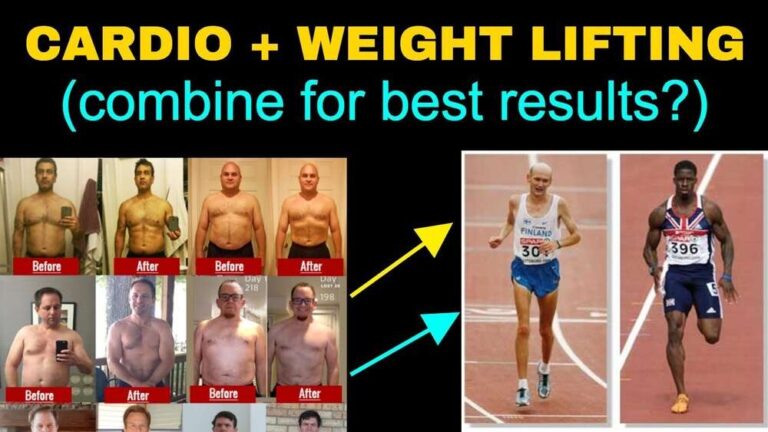
How to Fix Poor Workout Performance Beginners: Top Tips Revealed
Are you frustrated because your workouts don’t seem to be improving? You’re not alone.
Many beginners struggle with poor workout performance, and it can feel discouraging. But what if you could turn things around quickly and start seeing real progress? This guide will help you understand the common mistakes holding you back and show you simple, effective ways to boost your energy, strength, and endurance.
Keep reading, and you’ll discover how to unlock your true workout potential starting today.

Credit: www.amazon.com
Common Causes Of Poor Workout Performance
Poor workout performance often frustrates beginners. Understanding the common causes helps improve results. Many factors affect how well your body works during exercise. Some problems come from daily habits. Others relate to how you train. Fixing these issues can boost your strength and energy.
Inadequate Nutrition
Your body needs fuel to perform well. Eating too little or the wrong foods reduces energy. Missing key nutrients like protein, carbs, and fats slows muscle growth. Drink enough water to stay hydrated. Without proper nutrition, your workouts feel harder and less effective.
Lack Of Sleep
Sleep helps your body recover and build strength. Skipping sleep lowers focus and energy levels. Muscles repair during rest, so less sleep means slower recovery. Aim for 7-9 hours of sleep each night. Good sleep improves mood and workout performance.
Overtraining
Training too much without rest causes fatigue and injury. Your body needs time to heal between workouts. Overtraining lowers strength and motivation. Follow a balanced routine with rest days. This helps your muscles grow and keeps you motivated.
Improper Technique
Using wrong form limits workout benefits and increases injury risk. Beginners often make this mistake. Learning correct technique improves efficiency and safety. Start with light weights or bodyweight exercises. Practice regularly to build good habits.
Setting Realistic Fitness Goals
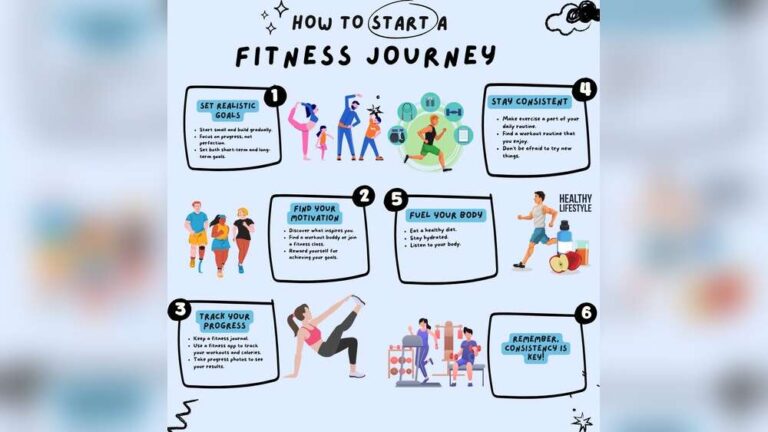
Setting realistic fitness goals is key to improving workout results. Clear goals help beginners stay motivated and avoid frustration. Goals give direction and a sense of achievement. Without them, workouts feel random and progress slows. Realistic goals match your current fitness level and lifestyle. They grow with your strength and endurance. Patience and consistency come from setting goals you can reach.
Short-term Vs Long-term Goals
Short-term goals focus on immediate progress. Examples include completing a workout week or improving form. These goals build confidence and create habits. Long-term goals aim for bigger achievements. They could be running a 5K or gaining muscle over months. Balancing short and long goals keeps motivation high. Celebrate small wins to stay encouraged. Plan long-term goals with realistic timelines. Avoid setting goals that feel impossible to reach.
Tracking Progress
Track your workouts to see real improvement. Use a notebook or a fitness app. Write down exercises, sets, and reps. Record how you feel after each session. Tracking shows patterns and growth over time. It helps identify areas needing change. Seeing progress boosts confidence and effort. Don’t rely only on scales; include strength and endurance. Regular tracking keeps workouts focused and purposeful.
Adjusting Expectations
Expectations can change as you learn more. Some days will feel easier; others harder. Listen to your body and rest when needed. Adjust goals if progress is slower than planned. Avoid comparing yourself to others. Fitness is personal and unique. Small setbacks are part of the journey. Keep goals flexible to stay positive. Changing expectations helps maintain long-term commitment.
Improving Workout Nutrition
Nutrition plays a big role in how well you perform during workouts. Eating the right foods helps your body get energy and recover faster. Good nutrition also reduces tiredness and improves strength. Beginners often miss out on this important part of fitness.
Focus on what you eat before, during, and after exercise. This helps your muscles stay strong and ready. Small changes in your meals and drinks can make a big difference in your workout results.
Pre-workout Meals
Eating before exercise gives your body fuel. Choose foods with carbohydrates and some protein. Carbs give quick energy. Protein helps muscles stay strong. A banana with peanut butter or yogurt with fruit works well. Eat 30 to 60 minutes before your workout. Avoid heavy or greasy foods that slow you down.
Hydration Strategies
Water is vital for good workout performance. Drink water before, during, and after exercise. Dehydration causes fatigue and cramps. Sip small amounts often to stay hydrated. Sports drinks help if you exercise longer than an hour. They replace lost salts and minerals. Avoid sugary drinks that can make you tired.
Post-workout Recovery Foods
After exercise, your body needs to recover. Eat foods rich in protein and carbohydrates. Protein repairs muscles. Carbs refill your energy stores. Try a smoothie with milk and fruit or a turkey sandwich. Eating within 30 minutes after a workout helps the most. Don’t skip this step to keep improving.
Enhancing Sleep Quality
Good sleep is key to better workout performance. It helps your body recover and your muscles grow. Without enough rest, energy drops and focus fades. Enhancing sleep quality supports your training goals and overall health.
Establishing A Sleep Routine
Go to bed and wake up at the same time every day. A steady schedule trains your body to sleep better. Avoid naps late in the day. Create a calming bedtime ritual like reading or gentle stretching. This signals your brain it is time to rest.
Managing Sleep Environment
Keep your bedroom cool, quiet, and dark. Use blackout curtains or a sleep mask to block light. Remove noise with earplugs or white noise machines. Choose a comfortable mattress and pillows. A good environment helps you fall asleep faster and stay asleep longer.
Avoiding Sleep Disruptors
Limit caffeine intake in the afternoon and evening. Avoid heavy meals and alcohol before bed. Turn off screens at least 30 minutes before sleep. Blue light from devices can disturb your natural sleep cycle. Try relaxation techniques like deep breathing to calm your mind.
Optimizing Training Techniques
Improving workout results starts with good training techniques. Beginners often struggle with performance due to poor habits. Small changes can make a big difference. Focus on key areas to boost your workouts safely and effectively. Proper training helps your body adapt and grow stronger over time.
Proper Warm-up And Cool-down
Warming up prepares your muscles for exercise. It raises your heart rate and increases blood flow. Start with light cardio like walking or jogging for 5 to 10 minutes. Follow this with dynamic stretches to loosen your joints. Cooling down helps your body recover. Slow down your pace and stretch after workouts. This reduces muscle soreness and lowers injury risk.
Correct Exercise Form
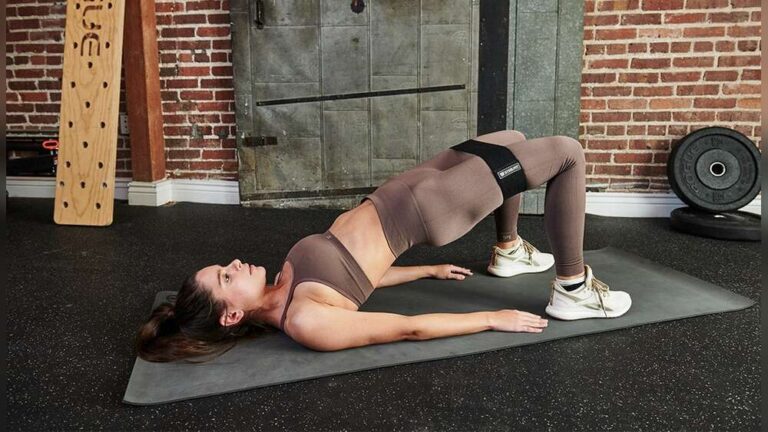
Using the right form protects your body from injury. It also makes your workout more effective. Learn how to perform each exercise properly. Watch videos or ask a trainer for help. Keep your back straight and avoid jerky movements. Controlled motions target the right muscles better. Stop if you feel pain, not normal muscle burn.
Incorporating Rest Days
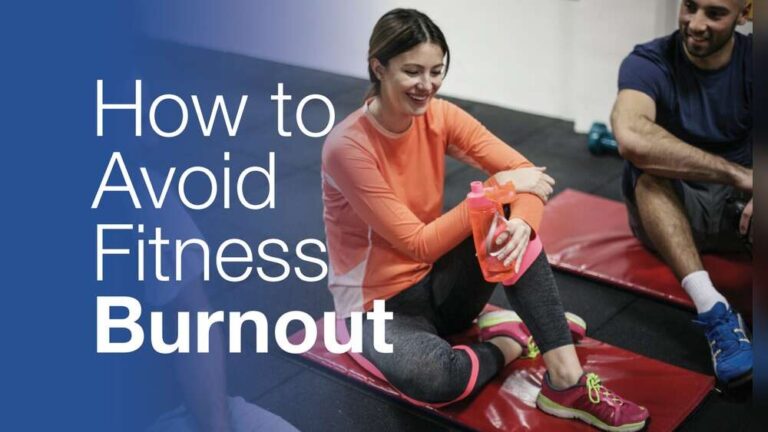
Rest days are essential for muscle repair and growth. Overtraining can cause fatigue and poor performance. Schedule at least one or two rest days each week. Use this time to relax or do light activities like walking. Rest helps your body rebuild stronger. It also prevents burnout and keeps motivation high.
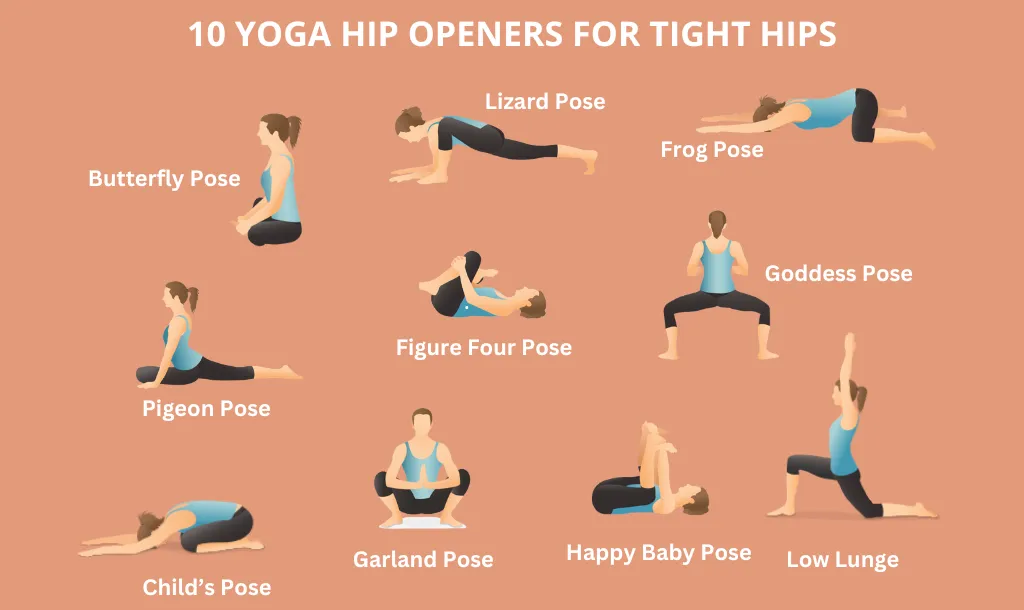
Credit: myyogateacher.com
Boosting Motivation And Consistency
Boosting motivation and consistency is key to improving workout performance. Without motivation, beginners often stop too soon. Consistency builds habits that lead to progress. Small, steady steps beat rare big efforts. Focus on creating habits that stick. This section covers ways to stay motivated and consistent.
Creating A Workout Schedule
Set specific days and times for exercise. Write them down or use a phone app. Treat workouts like important appointments. Plan workouts based on your energy levels and availability. A clear schedule helps avoid skipping sessions. Start with short workouts and increase time gradually. Consistent timing trains your body and mind.
Finding Support Systems
Join groups or find a workout buddy. Sharing goals with others creates accountability. Support systems encourage you on tough days. Talk about your challenges and successes. Online forums or social media groups can help. Support makes workouts more enjoyable and less lonely. Friends or trainers can offer advice and motivation.
Celebrating Small Wins
Recognize progress, no matter how small. Celebrate finishing a workout or lifting heavier weights. Small wins boost confidence and motivation. Track your achievements in a journal or app. Reward yourself with rest or a healthy treat. Positive feedback helps build momentum. Each win brings you closer to your goals.
Using Supplements Wisely
Supplements can help improve workout performance for beginners. Using them wisely is important for safety and effectiveness. Choosing the right supplements and knowing how to take them matters. It can support your energy, recovery, and muscle growth. This section explains common supplements, their benefits and risks, and why professional advice is key.
Common Supplements For Beginners
Protein powder helps build and repair muscles. Creatine boosts strength and power during workouts. Branched-chain amino acids (BCAAs) reduce muscle soreness and fatigue. Multivitamins fill nutrition gaps in your diet. Each supplement has a specific role in supporting exercise.
Potential Benefits And Risks
Supplements can increase energy and improve recovery. They may help you train harder and longer. Risks include allergies, side effects, and poor quality products. Taking too much can harm your body. Always read labels and follow recommended doses.
Consulting Professionals
Doctors and nutritionists offer safe, personalized advice. They help identify your needs and avoid harmful supplements. Professionals can track your progress and adjust plans. Their guidance ensures supplements fit your health and goals.
Credit: www.woodmenhills.org
Frequently Asked Questions
Why Am I Struggling With Poor Workout Performance?
Poor workout performance often results from inadequate rest, improper nutrition, or lack of consistency. Beginners may also overexert or use incorrect form, leading to fatigue. Addressing these issues with balanced training, hydration, and proper technique can significantly improve performance over time.
How Can Beginners Improve Workout Endurance Quickly?
To boost endurance, start with moderate-intensity workouts and gradually increase duration. Incorporate cardio exercises like walking or cycling. Stay hydrated and maintain a balanced diet rich in carbohydrates. Consistency and rest are essential for effective endurance building and avoiding burnout.
What Role Does Nutrition Play In Workout Performance?
Nutrition provides the energy and nutrients needed for muscle recovery and strength. Eating balanced meals with proteins, carbs, and healthy fats supports sustained energy and muscle repair. Proper hydration before and after workouts also enhances performance and reduces fatigue.
How Important Is Rest For Workout Improvement?
Rest is crucial as it allows muscles to recover and grow stronger. Overtraining leads to fatigue and poor performance. Beginners should aim for 7-9 hours of sleep and schedule rest days between intense workouts to maximize gains and prevent injury.
Conclusion
Fixing poor workout performance starts with simple steps. Focus on good rest and balanced meals. Stay consistent and track your progress. Small changes lead to big results over time. Listen to your body and adjust as needed. Keep your workouts fun and varied.
Patience and effort bring steady improvement. Every beginner can get stronger with the right habits. Keep going—you will see progress soon.

Brandon Knoxley is a sport & fitness writer and training guide contributor at MySportFitHub. He focuses on practical workouts, performance-based training, and honest fitness gear insights designed for real people and real results. Brandon is passionate about helping beginners and active individuals train smarter, avoid common mistakes, and build sustainable fitness habits.