How To Clean A Treadmill: Easy Step-By-Step Guide
Unplug the treadmill, remove dust with a dry cloth, clean the belt and frame, then let every part dry fully.
Learning how to clean a treadmill is simple, but the right method matters. A clean machine runs more smoothly, feels safer, and can help protect the walking belt, motor, and deck from early wear. This guide explains the process I recommend after years of working with home fitness equipment, including the small mistakes that can cause big repair bills.
Why You Should Clean Your Treadmill
A treadmill collects more than visible dust. Sweat, skin oils, pet hair, and carpet fibers can settle around the motor cover, belt, rollers, and side rails. Over time, this buildup may limit airflow and add friction to moving parts.
Regular treadmill cleaning can help you:
• Reduce dust around the motor and cooling vents
• Keep the walking belt smooth and comfortable
• Prevent sweat damage on the console and frame
• Lower the risk of slippery handrails and side rails
• Spot loose parts, cracks, or belt damage early
• Improve the machine’s overall appearance and feel
A treadmill is much like a car. It may keep moving when it is dirty, but neglect creates extra strain. Cleaning does not replace proper maintenance, such as belt lubrication or tension checks, but it is a key part of caring for the machine.
Manufacturers often recommend wiping the treadmill after each use and performing a deeper cleaning at least once a month. A busy gym treadmill may need more frequent care than a lightly used home treadmill.

What You Need to Clean a Treadmill
Gather your supplies before you begin. The best tools are simple and gentle.
• A clean microfiber cloth
• A soft, dry brush or vacuum with a soft brush attachment
• Warm water
• A small amount of mild dish soap
• A spray bottle for applying cleaner to the cloth
• Cotton swabs for small gaps
• A flashlight for checking under the motor cover
• The treadmill owner’s manual
Avoid harsh chemicals, abrasive sponges, furniture polish, bleach, glass cleaner, and oil-based products. These products may damage plastic, leave a slippery film, or weaken the belt surface.
Never spray liquid directly onto the treadmill. Spray a small amount onto the cloth instead. This simple habit helps protect the console, buttons, display, and electrical parts from moisture.

How to Clean a Treadmill Safely
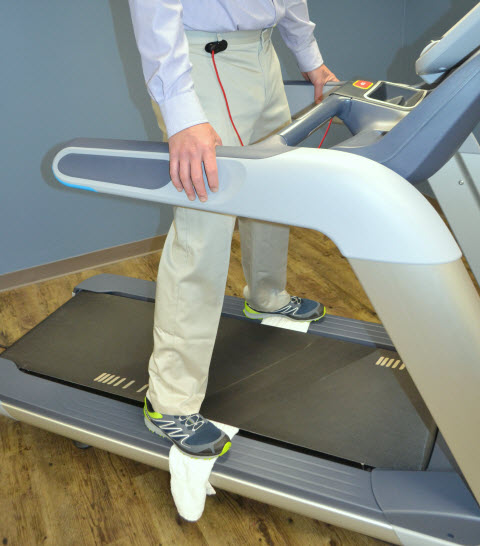
Safety comes first when you learn how to clean a treadmill. A treadmill contains electrical parts and moving components, so never clean it while it is powered on.
Follow these steps:
- Turn off the treadmill using the main power switch.
- Unplug the power cord from the wall.
- Remove the safety key if your model uses one.
- Wait several minutes before cleaning near the motor or console.
- Move the treadmill away from the wall if you need access to the rear or sides.
- Keep children and pets away from the work area.
If the treadmill has recently been used, allow it to cool before cleaning. A warm motor cover can make dust cling to surfaces, and cleaning around hot electrical parts is not a good idea.
I once saw a treadmill owner wipe the console while the machine was still plugged in. The cloth was only slightly damp, but a few drops entered the button area. The treadmill later developed display problems. The lesson is clear: unplugging the machine takes only a few seconds and can prevent an expensive fault.

How to Clean a Treadmill Step by Step
The best way to clean a treadmill is to work from top to bottom. Start with loose dust, then use a damp cloth for stuck-on grime. This keeps dirt from spreading across areas you already cleaned.
1. Remove loose dust
Use a dry microfiber cloth to wipe the console, display, cup holders, handrails, side covers, and frame. For vents and narrow gaps, use a soft brush or vacuum attachment.
Do not press a vacuum nozzle hard against the treadmill belt. Strong suction or rough plastic may damage the belt surface. A soft brush attachment is safer.
2. Wipe the console
Dampen a microfiber cloth with water or a mild soap solution. Wring it out well so it feels barely damp, then wipe the screen, buttons, rails, and plastic housing.
Use a second dry cloth to remove moisture. Never pour or spray cleaner on the console. Liquid can travel under buttons and reach the control board.
For touchscreens, follow the manufacturer’s instructions. Some displays require a specific screen-safe cloth. Avoid ammonia-based cleaners unless the manual clearly allows them.
3. Clean the frame and handrails
Wipe the front frame, uprights, side rails, and handrails. Pay close attention to the areas where your hands rest, since sweat and body oils often collect there.
If the surface feels sticky, use a small amount of mild soap diluted in warm water. Do not use a rough pad, even on metal parts. Scratches can create places where dirt and moisture collect.
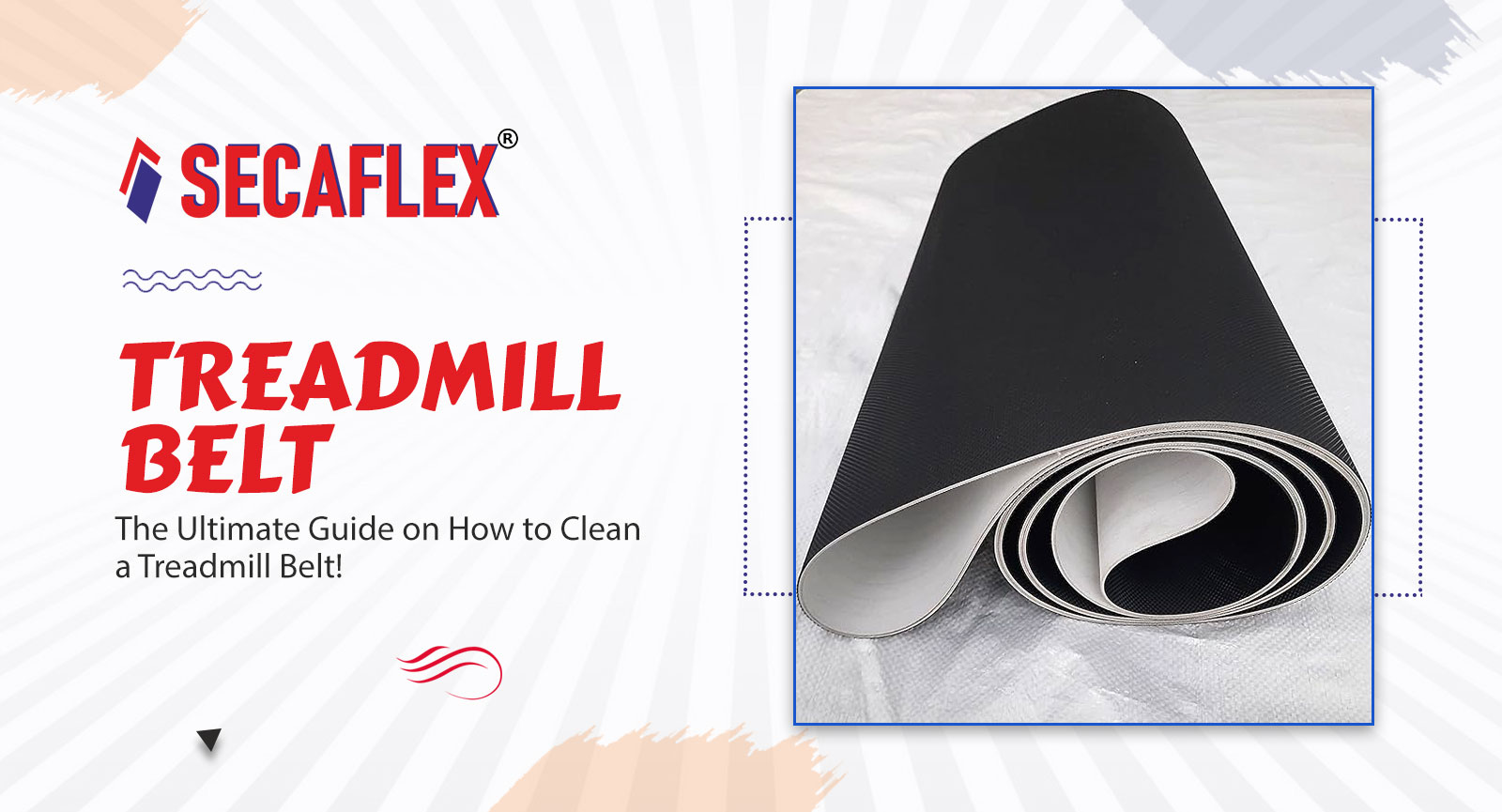
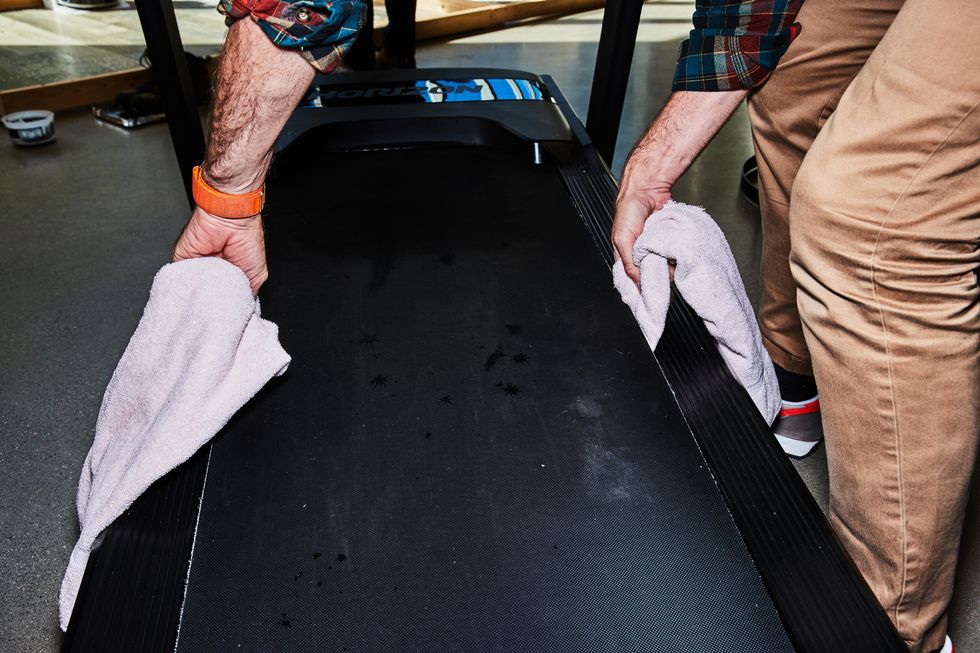
4. Clean the walking belt
Raise the belt slightly with one hand and wipe the exposed section with a dry cloth. Turn the belt by hand and continue until you have cleaned the full surface.
For light grime, use a barely damp cloth. Then wipe the belt again with a dry cloth and leave it open to air-dry.
Never soak the walking belt. Excess water can move beneath the belt and reach the deck, rollers, or electrical parts. It may also weaken the belt adhesive over time.
5. Clean the side rails
The side rails collect dust, sweat, and shoe marks. Wipe them with a damp microfiber cloth, then dry them fully.
Make sure the rails are not slippery when you finish. A slippery side rail can be dangerous when stepping on or off the treadmill.
6. Clean around the rear rollers
Use a soft brush or vacuum to remove hair and dust near the rear roller. Do not place your fingers near the roller if the treadmill is connected to power.
The rear roller area often reveals whether a treadmill needs more than basic cleaning. Heavy black dust, unusual belt wear, or a damaged roller should be checked before the next workout.

How to Clean Under the Treadmill Motor Cover
Cleaning under the motor cover is one of the most important parts of treadmill care. Dust near the motor can restrict airflow and may cause the motor to run hotter.
First, check the owner’s manual. Some treadmill covers are easy to remove, while others require special tools or should only be opened by a technician.
If the manual allows you to remove the cover:
- Confirm that the treadmill is unplugged.
- Remove the screws and place them in a small container.
- Lift the cover gently.
- Use a soft vacuum brush to remove loose dust.
- Brush dust away from the motor and control board without pressing hard.
- Replace the cover before reconnecting power.
Do not use water, compressed air, or a wet cloth inside the motor compartment. Compressed air can push dust deeper into sensitive parts. It can also spread debris throughout the room.
If you see burnt wires, melted plastic, corrosion, or a strong electrical smell, stop cleaning and contact a qualified service professional. Cleaning cannot fix an electrical fault.

How to Clean the Treadmill Belt and Deck
Cleaning the belt and deck requires care because these parts work together. The deck sits beneath the walking belt, and excess dirt between them can increase friction.
Lift the edge of the belt and inspect the deck with a flashlight. Look for:
• Thick dust or lint
• Sticky residue
• Scratches or rough areas
• Dry spots caused by missing lubricant
• Frayed belt edges
• Uneven belt movement
Use a clean, dry cloth to remove dust from the deck where you can reach it. Do not force your hand deep under the belt. The space is narrow, and pushing too hard can shift the belt or damage its edges.
Cleaning the belt is not the same as lubricating it. Use only the lubricant listed in the owner’s manual, usually a treadmill-safe silicone lubricant. Do not use WD-40, cooking oil, motor oil, or general-purpose grease.
Too much lubricant can be harmful. It may make the belt slip, collect dust, or spread onto the floor. Apply only the amount recommended by the manufacturer.
How Often Should You Clean a Treadmill?
The right cleaning schedule depends on use, room conditions, and the people who use the treadmill.
A practical schedule looks like this:
• After each workout: Wipe sweat from the console, rails, and frame.
• Once a week: Remove dust from the belt, side rails, and nearby floor.
• Once a month: Clean the belt, deck edges, rollers, vents, and motor area.
• Every three to six months: Inspect belt alignment, tension, power cords, and fasteners.
• As needed: Lubricate the belt according to the owner’s manual.
If the treadmill sits in a garage, basement, or room with pets, clean it more often. Humidity, sawdust, pet hair, and carpet lint can build up quickly.
A useful rule is to clean the machine whenever you clean the room around it. If you vacuum the floor, dust the treadmill too. This prevents fresh dust from settling back onto the equipment.
Common Treadmill Cleaning Mistakes to Avoid
Many treadmill problems begin with a cleaning mistake rather than normal use. Avoid these common errors.
Spraying cleaner directly on the machine
Liquid can enter buttons, seams, speakers, and display openings. Always apply cleaner to a cloth.
Using too much water
A damp cloth is enough for most surfaces. A wet cloth can leave moisture beneath the belt or inside the console.
Using household glass cleaner
Glass cleaner may contain ammonia or alcohol that can cloud plastic, damage coatings, or affect touchscreen surfaces. Use a product approved for your treadmill’s materials.
Cleaning while the treadmill is plugged in
Even when the power switch is off, some parts may remain connected to electricity. Unplug the machine before cleaning.
Applying oil to the belt
Oil-based products can damage the belt and create a slippery surface. Use only the lubricant specified by the manufacturer.
Ignoring the floor
Dust from the floor moves into the treadmill through airflow and foot traffic. Vacuum beneath and around the treadmill as part of the cleaning process.
Moving the belt too aggressively
Rotating the belt by hand is fine when the treadmill is unplugged. Do not yank it, fold it sharply, or use tools to scrape it.

How to Keep a Treadmill Cleaner for Longer
Good habits make treadmill cleaning faster. They also reduce the amount of dirt that reaches the motor and belt.
Keep the treadmill on a clean, level surface. Use a treadmill mat if the manufacturer recommends one or if the machine sits on carpet. A mat can catch dust and sweat while making it easier to vacuum beneath the equipment.
Wear clean indoor workout shoes. Shoes used outside can bring sand, grit, and small stones onto the belt. These particles can act like sandpaper between the belt and deck.
Place the treadmill away from open windows, dusty workshops, and damp areas. Avoid storing towels, clothing, or exercise equipment on the motor cover because they can block ventilation.
After every workout, take 30 seconds to:
• Wipe the handrails
• Dry the console
• Remove visible sweat from the frame
• Check for debris on the belt
• Let the area around the machine breathe
These small actions are easier than removing months of built-up grime.
When Cleaning Is Not Enough
Cleaning can remove dirt, but it cannot solve every treadmill problem. Stop using the machine if you notice a burning smell, smoke, sparks, severe belt slipping, or a loud grinding sound.
You should also arrange an inspection if:
• The belt stops suddenly during normal use
• The motor becomes unusually hot
• The belt is frayed or cracked
• The deck looks damaged
• The machine trips a circuit breaker
• The console shows repeated error codes
• The treadmill shakes or moves during use
A loose belt may need adjustment. A dry deck may need lubrication. A worn belt, damaged roller, or electrical issue may require replacement or professional service.
Do not remove electrical components unless you have the proper training. The owner’s manual is the best first reference because treadmill designs vary widely. Advice that works for one model may be wrong for another.
Frequently Asked Questions About How to Clean a Treadmill
Can I use water to clean a treadmill?
Yes, but use only a small amount of water on a cloth. The cloth should be damp, not wet, and you should never spray water directly on the treadmill.
What is the best cleaner for a treadmill?
Warm water with a small amount of mild dish soap works for many exterior surfaces. Check the owner’s manual first, especially for touchscreens, rubber parts, and special coatings.
Can I vacuum under the treadmill belt?
You can vacuum loose dust around the belt edges and motor area with a soft brush attachment. Do not force the vacuum nozzle under the belt or touch moving parts.
How do I clean treadmill sweat stains?
Wipe sweat stains with a microfiber cloth dampened with diluted mild soap. Dry the surface soon after cleaning to help prevent stains, odors, and moisture damage.
Can I use WD-40 to clean or lubricate a treadmill belt?
No. WD-40 and similar oil-based products are not suitable for most treadmill belts. Use only a treadmill lubricant approved by the manufacturer.
How often should I clean my treadmill?
Wipe sweat from the treadmill after each workout and perform a deeper cleaning about once a month. Clean more often if you have pets, use the machine daily, or keep it in a dusty room.
Why does my treadmill still make noise after cleaning?
Noise may come from belt tension, poor alignment, a dry deck, worn rollers, or a motor problem. If cleaning does not solve the sound, stop using the treadmill and consult the manual or a qualified technician.
Conclusion
Knowing how to clean a treadmill helps protect the belt, deck, motor, console, and frame from avoidable wear. Unplug the machine, remove dry dust first, use a barely damp cloth on exterior surfaces, and keep water and harsh chemicals away from electrical parts.
Make quick wiping part of every workout, then schedule a deeper clean each month. Inspect the belt and motor area as you work, and never ignore burning smells, damaged parts, or unusual sounds. Start with these steps today, and explore your treadmill manual for model-specific care instructions.

Brandon Knoxley is a sport & fitness writer and training guide contributor at MySportFitHub. He focuses on practical workouts, performance-based training, and honest fitness gear insights designed for real people and real results. Brandon is passionate about helping beginners and active individuals train smarter, avoid common mistakes, and build sustainable fitness habits.