
How to Start Sports Training As a Beginner: Ultimate Guide to Success
Are you ready to take the first step toward becoming stronger, faster, and more confident? Starting sports training as a beginner might feel overwhelming, but it doesn’t have to be.
Imagine unlocking your true potential, feeling the thrill of progress every day, and building habits that boost your energy and mood. In this guide, you’ll discover simple, effective ways to begin your sports training journey without confusion or burnout. Keep reading, and you’ll learn exactly what you need to do to get started—and stick with it.
Your future self will thank you.
Credit: www.lake-elsinore.org
Choosing The Right Sport
Choosing the right sport is the first step in starting sports training. It shapes your experience and keeps you motivated. Picking a sport that suits you helps you enjoy the process and stay active.
Assessing Your Interests
Think about what sports catch your attention. Do you enjoy team activities or solo challenges? Find a sport that feels fun and exciting. Your interest will drive your commitment and effort.
Considering Physical Abilities
Look at your body’s strengths and limits. Some sports need speed, others need endurance or strength. Choose a sport that matches your current fitness level. It helps prevent injury and makes training easier.
Researching Sport Requirements
Learn what each sport needs in terms of gear, space, and time. Some sports need special equipment or places to play. Make sure you can meet these needs before starting. This makes your training practical and stress-free.
Setting Realistic Goals
Setting realistic goals is the first step to successful sports training. Clear goals keep you motivated and focused. They help you measure your improvement over time. Realistic goals prevent frustration and burnout. You can enjoy the process more by aiming for achievable targets.
Short-term Targets
Start with small, easy goals. These targets should be simple and quick to achieve. For example, run for five minutes without stopping or practice a skill 10 times daily. Short-term targets build confidence and create good habits. They also prepare you for bigger challenges ahead.
Long-term Aspirations
Think about what you want to achieve in months or years. Long-term goals guide your training plan. They could be joining a local team or completing a race. Make sure these goals are realistic and suit your lifestyle. Break them into smaller steps to avoid feeling overwhelmed.
Tracking Progress
Keep a record of your workouts and achievements. Use a notebook, app, or calendar. Tracking shows how far you have come. It helps spot areas needing improvement. Celebrate small wins to stay motivated and enjoy training every day.
Building A Training Routine
Building a training routine is a key step for beginners starting sports training. A good routine helps the body adapt and improves skills steadily. It sets clear goals and keeps motivation high. Establishing a routine also prevents injury by balancing effort and rest.
Creating A Schedule
Plan your training days in advance. Choose specific days and times that fit your life. Consistency helps your body get used to the activity. Start with 2 to 3 training sessions per week. Gradually add more as your fitness improves. Write down your schedule to stay on track.
Balancing Training And Rest
Rest days are as important as training days. Your body needs time to recover and grow stronger. Avoid training the same muscles every day. Mix harder and easier sessions to prevent burnout. Listen to your body’s signals. If you feel very tired, take an extra rest day.
Incorporating Warm-ups And Cool-downs
Start each session with a warm-up to prepare your body. Warm-ups increase blood flow and reduce injury risk. Simple activities like jogging or stretching work well. End training with a cool-down to help muscles relax. Cooling down lowers heart rate and reduces soreness.
Focusing On Physical Fitness
Focusing on physical fitness is key when starting sports training. Fitness builds a strong body and helps avoid injuries. It also improves performance and stamina. Beginners should pay attention to three main areas: strength, cardiovascular health, and flexibility.
Strength Training Basics
Strength training helps muscles grow stronger and more durable. Start with simple exercises like push-ups, squats, and lunges. Use your body weight before adding weights. Train two to three times a week. Rest days are important for muscle recovery. Proper form prevents injuries and makes exercises effective.
Improving Cardiovascular Health
Cardiovascular fitness improves heart and lung function. Begin with light activities like walking or jogging. Gradually increase time and intensity. Aim for at least 150 minutes of moderate cardio weekly. Good cardio boosts energy and endurance for sports. Consistency is key to seeing progress.
Enhancing Flexibility
Flexibility reduces muscle stiffness and prevents strains. Stretch major muscle groups after workouts. Hold each stretch for 15 to 30 seconds. Yoga or simple stretching routines work well. Flexible muscles support better movement and balance. Include flexibility exercises regularly in your training plan.
Learning Proper Techniques
Learning proper techniques is the first step in sports training. It helps prevent injuries and builds a strong foundation. Good technique improves your skills and boosts confidence. Beginners should focus on correct movements rather than speed or strength.
Finding A Coach Or Mentor
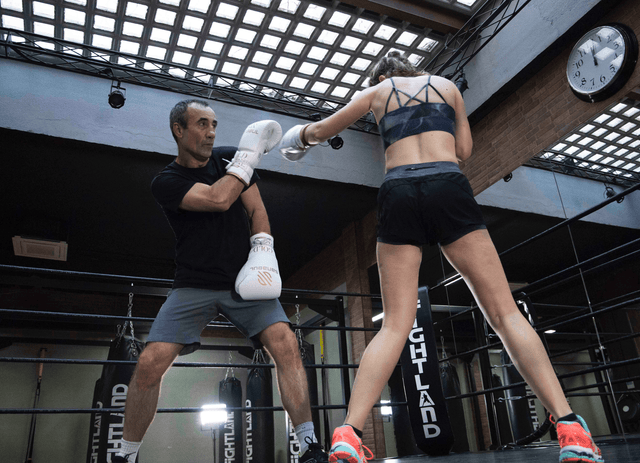
A coach or mentor guides you through correct techniques. They watch your movements and give feedback. This helps you avoid bad habits early. Coaches create training plans suited to your level. They keep you motivated and focused.
Using Online Resources
Online videos and tutorials show step-by-step techniques. They are useful for beginners without access to coaches. Choose videos from trusted experts or organizations. Watch carefully and pause to practice each step. Repeat until you feel comfortable with the moves.
Practicing Regularly
Regular practice is key to learning techniques well. Short, frequent sessions work better than long, rare ones. Focus on quality, not just quantity. Practice slowly to ensure correct form. Gradually increase speed and power as you improve.
Nutrition And Hydration Tips
Starting sports training means paying close attention to nutrition and hydration. Proper food and water intake help your body perform well and recover faster. Eating right fuels your muscles and keeps your energy steady during workouts.
Drinking enough water prevents tiredness and cramps. This section covers basic nutrition and hydration tips for beginners. Follow these to stay healthy and active in your training journey.
Balanced Diet Essentials
Eat a variety of foods every day. Include fruits, vegetables, whole grains, and lean proteins. These provide vitamins, minerals, and energy. Avoid too much sugar and fried foods. They can slow you down and harm your health.
Protein helps build muscles. Carbohydrates give energy. Fats support brain and cell functions. Balance these nutrients for best results.
Pre-training Meals
Have a small meal one to two hours before training. Choose foods easy to digest, like bananas, yogurt, or toast. This gives energy without stomach discomfort. Avoid heavy or greasy meals. They can cause sluggishness and stomach pain.
Keep portions moderate. Eating too much can make you feel tired. Drink water with your meal to stay hydrated.
Hydration Strategies
Drink water throughout the day, not just during training. Aim for at least eight glasses daily. Before exercise, drink 1-2 cups of water. During training, sip water every 15-20 minutes. This helps keep your body cool and muscles working well.
Avoid sugary drinks and caffeine before workouts. They can dehydrate you. After training, drink water to replace lost fluids. Proper hydration improves performance and reduces injury risk.
Avoiding Injuries
Starting sports training is exciting but brings a risk of injury. Avoiding injuries helps you train longer and feel better. Careful steps keep your body safe. Pay attention to your limits and use the right tools. Rest is just as important as training hard.
Recognizing Warning Signs
Watch for pain that doesn’t go away quickly. Swelling or sharp pain means stop immediately. Feeling tired all the time can show overuse. Don’t push through strong pain or discomfort. Early rest can prevent serious injuries.
Using Proper Equipment
Use shoes that fit well and suit your sport. Protective gear like helmets and pads reduce injury risk. Check your equipment often for damage or wear. Old or broken gear can cause accidents. Proper gear helps your body stay safe during training.
Rest And Recovery
Rest days let your muscles heal and grow. Avoid training the same muscles every day. Sleep well to help your body repair itself. Stretch gently after exercise to reduce stiffness. Recovery helps prevent injuries and improves your performance.

Credit: www.amazon.com
Staying Motivated
Starting sports training can feel exciting and hard at the same time. Staying motivated helps you keep going. Motivation is the key to regular practice and better skills. It pushes you to improve and enjoy the process. Here are ways to stay motivated as a beginner.
Finding Support Systems
Support from others makes sports training easier and fun. Join a group or find a coach to guide you. Friends and family can cheer you on. Sharing your goals with others keeps you focused. Support helps during tough days and keeps your spirits high.
Celebrating Milestones
Small wins build confidence and keep motivation strong. Celebrate when you learn a new skill or reach a goal. Rewards can be simple, like a rest day or a favorite snack. Mark your progress to see how far you have come. Each step forward is worth recognizing.
Overcoming Challenges
Challenges are part of the training journey. Accept that some days will be harder than others. Learn from mistakes and keep trying. Break big goals into smaller tasks to avoid feeling overwhelmed. Remember, every athlete faces challenges and grows stronger.
Credit: sanabulsports.com
Frequently Asked Questions
What Equipment Do Beginners Need For Sports Training?
Beginners should start with basic gear like comfortable shoes, appropriate clothing, and sport-specific equipment. Proper gear prevents injuries and improves performance. As skills develop, additional equipment can be added to enhance training quality and safety.
How Often Should Beginners Train For Sports?
Start with 2-3 training sessions per week to build endurance and skill gradually. Consistency is key. Overtraining can cause injury, so rest days are essential for recovery and muscle growth.
What Is The Best Warm-up Routine For Beginners?
A good warm-up includes 5-10 minutes of light cardio and dynamic stretches. This increases blood flow and reduces injury risk. Tailor warm-ups to the specific sport for maximum benefit.
How Can Beginners Avoid Injuries During Training?
Focus on proper technique, use correct equipment, and warm up before workouts. Listen to your body and rest if you feel pain. Gradually increase intensity to prevent strain and injury.
Conclusion
Starting sports training as a beginner takes patience and effort. Set small goals and practice regularly. Focus on learning the basics well. Stay motivated by tracking your progress each day. Rest and eat well to keep your energy up. Remember, everyone improves with time and practice.
Enjoy the process and have fun playing. Keep your mind positive and your body active. This journey builds strength and confidence step by step. Keep moving forward, and success will follow.

Brandon Knoxley is a sport & fitness writer and training guide contributor at MySportFitHub. He focuses on practical workouts, performance-based training, and honest fitness gear insights designed for real people and real results. Brandon is passionate about helping beginners and active individuals train smarter, avoid common mistakes, and build sustainable fitness habits.