How to Practice Sports Without Equipment: Easy & Effective Tips
Have you ever wanted to get active but felt held back because you don’t have any sports gear? What if you could boost your energy, improve your fitness, and enjoy sports—all without spending a dime on equipment?
You’re about to discover simple, effective ways to practice sports using only your body and the space around you. Keep reading, and you’ll find easy tips that fit into your daily routine, helping you stay fit and have fun, no matter where you are.
Ready to unlock your full potential? Let’s dive in!
Bodyweight Exercises
Bodyweight exercises are a great way to stay active without any equipment. They use your own body weight as resistance. This makes them easy to do anywhere, anytime. These exercises improve strength, balance, and flexibility. They also help build muscle and burn calories. You can create a full workout by combining different bodyweight moves.
Push-ups Variations
Push-ups target your chest, shoulders, and arms. Start with the classic push-up. Keep your body straight and lower yourself to the ground. Try knee push-ups if the classic version is hard. To increase difficulty, try wide-arm or diamond push-ups. These variations work different muscles and add challenge. Push-ups improve upper body strength and stability.
Squats And Lunges
Squats and lunges strengthen your legs and glutes. Stand with feet shoulder-width apart for squats. Bend your knees and lower your hips like sitting in a chair. Keep your back straight. Lunges work one leg at a time. Step forward and bend both knees to lower your body. These exercises improve balance and build leg muscles. Try walking lunges for more movement.
Planks And Core Workouts
Planks are excellent for core strength and stability. Hold your body in a straight line, supported by your forearms and toes. Start with 20 seconds and increase over time. Side planks target your oblique muscles. Add leg lifts or arm raises to make planks harder. A strong core helps with posture and overall fitness. Include planks in your routine for better balance and strength.

Credit: palmerstores.com
Using Your Environment
Using your environment for sports practice is a smart way to stay active without equipment. Outdoor spaces and everyday objects can help you do many exercises. This method saves money and adds variety to your workouts.
Nature and city areas offer many chances to move and build strength. Stairs, benches, and walls are common features that support different sports activities. Using these items helps improve your fitness and keeps routines interesting.
Stairs For Cardio
Stairs are excellent for cardio workouts. Running or walking up and down stairs raises your heart rate fast. It strengthens your legs and improves endurance. You can do stair jumps or quick steps to add intensity. This simple tool burns calories and boosts stamina.
Park Benches For Strength
Park benches make good equipment for strength training. Use them for push-ups, tricep dips, or step-ups. These exercises build upper body and leg muscles. Benches provide a stable surface for safe movements. They are easy to find in many outdoor spots.
Walls For Support And Balance
Walls help with balance and support during workouts. Try wall sits to strengthen your thighs. Use walls for handstand practice or stretching. They assist in holding poses and improving stability. Walls are handy tools for many fitness moves.
Cardio Workouts Without Gear
Cardio workouts without gear help you stay fit anytime, anywhere. These exercises boost heart health and burn calories fast. No need for machines or weights. Just your body and some space.
Try these simple moves to get your heart pumping and muscles working. They improve stamina and make you feel energized. Perfect for beginners and fitness lovers alike.
Running And Jogging
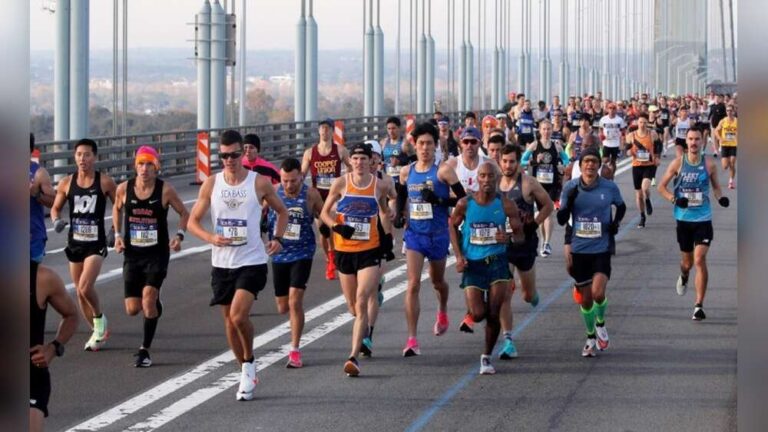
Running and jogging require no equipment. Just find a safe path or open space. Start slow to warm up your body. Increase speed as you feel comfortable. These activities improve endurance and strengthen legs. They also help clear your mind and reduce stress.
Jumping Jacks And Burpees
Jumping jacks are easy and effective. Jump your legs out while raising your arms. Jump back to start and repeat. Burpees combine a squat, jump, and push-up. They challenge your whole body and boost metabolism. Both exercises improve coordination and agility.
High Knees And Mountain Climbers
High knees require running in place, lifting knees high. This increases heart rate quickly. Mountain climbers mimic a climbing motion on the floor. Keep your core tight and move fast. These moves build core strength and speed. Great for quick, intense cardio sessions.
Credit: courtreserve.com
Flexibility And Mobility
Flexibility and mobility are key to performing well in any sport. They help your body move freely and reduce the risk of injury. Regular practice improves muscle strength and joint function. You do not need special equipment to increase your flexibility or mobility. Simple exercises done at home can make a big difference.
Stretching Routines
Stretching loosens tight muscles and increases your range of motion. Start with basic stretches for your legs, arms, and back. Hold each stretch for 15 to 30 seconds. Focus on slow, steady movements. Avoid bouncing, which can cause injuries. Stretch before and after your exercise to warm up and cool down your body.
Yoga Poses
Yoga improves flexibility, balance, and strength. Try poses like Downward Dog, Child’s Pose, and Cat-Cow. These stretches open up your hips, shoulders, and spine. Hold each pose for 20 seconds or more. Breathe deeply to relax your muscles. Yoga also helps with focus and calmness, which benefits sports performance.
Dynamic Warm-ups
Dynamic warm-ups prepare your body for activity by moving muscles actively. Examples include leg swings, arm circles, and high knees. Perform these exercises slowly at first, then increase speed. Dynamic movements increase blood flow and improve joint mobility. Spend 5 to 10 minutes warming up before any sport or workout.
Staying Motivated
Staying motivated is key to practicing sports without equipment. It keeps you active and helps build good habits. Motivation can fade without clear focus. Small steps and steady progress make a big difference. Keep your energy high by setting simple goals and tracking your achievements.
Setting Realistic Goals
Start with easy goals that fit your current skill level. Goals should be clear and simple. For example, aim to do 10 push-ups or run for five minutes. Achieving small goals boosts confidence. It also encourages you to keep going. Avoid setting too high goals that cause frustration.
Tracking Progress
Write down your daily or weekly activities. Note how many exercises you do and how long you practice. Seeing progress on paper motivates you to do more. Use a journal or a phone app to keep track. Celebrate small wins. This keeps your excitement alive.
Finding Online Resources
Use free videos and tutorials to learn new exercises. Many websites and apps offer workouts without equipment. Follow trainers who explain moves clearly and slowly. Online resources provide variety and help you stay interested. Try different routines to avoid boredom and keep improving.

Credit: raisingalphakidz.com
Frequently Asked Questions
What Are The Best Sports To Practice Without Equipment?
Running, yoga, bodyweight exercises, and stretching are top sports without equipment. They improve fitness and flexibility effectively. These activities require only space and motivation, making them accessible everywhere.
How Can I Stay Motivated Without Sports Gear?
Set clear goals, track progress, and join online fitness communities. Vary your routine to keep it exciting. Motivation grows with consistency and visible improvements in your performance and health.
Can Bodyweight Exercises Replace Traditional Sports Equipment?
Yes, bodyweight exercises build strength, endurance, and agility. They mimic many sports movements without needing gear. Exercises like push-ups, squats, and lunges are effective and adaptable for all fitness levels.
Is It Safe To Practice Sports Without Professional Equipment?
Yes, practicing without equipment is safe if done correctly. Warm up properly, maintain good form, and avoid overexertion. Start slowly and increase intensity gradually to prevent injuries.
Conclusion
Practicing sports without equipment is simple and fun. Use your body and space creatively. Running, jumping, and stretching build strength and fitness. Stay consistent and enjoy the movement. You don’t need fancy gear to stay active. Just focus on your goals and keep moving.
Sports can be part of your daily life. Feel the energy and stay healthy every day. Start small, and watch your skills grow. Keep it easy and make exercise a habit. Your body will thank you for the effort.

Brandon Knoxley is a sport & fitness writer and training guide contributor at MySportFitHub. He focuses on practical workouts, performance-based training, and honest fitness gear insights designed for real people and real results. Brandon is passionate about helping beginners and active individuals train smarter, avoid common mistakes, and build sustainable fitness habits.